



Conversations centered around dating, relationships, and sex take place in classrooms, on social media, in households, and even in mainstream news outlets. Policymakers, educators, and parents alike realize the benefits of teaching adolescents about these topics instead of leaving teens to learn on their own via the internet, friends, and other less-than-ideal sources. However, one critical group with a wealth of experience and perspective is still largely left out of the conversation: fathers.
According to a 2020 study conducted by Dr. Jennifer Grossman here at WCW, 60% of heterosexual teens talk with their mothers about sex and 32% talk with their fathers. This statistic is a cause for concern: Fathers offer a nuanced perspective, play an important cultural role, and add an often-forgotten voice to this conversation. With this in mind, Dr. Grossman and her research team undertook a study exploring father-teen communication on dating, relationships, and sex with the intention of creating an intervention program for fathers across the U.S.
This summer, I had the opportunity to work with Dr. Grossman and her team as an undergraduate research intern. I took on multiple roles which built on my pre-existing psychology research skill set and exposed me to new tools, protocols, and knowledge. I spent the beginning of the summer quantitatively analyzing demographic data, but I particularly enjoyed the last two months of my internship, when I examined qualitative data.
Dr. Grossman’s team interviewed 43 fathers, 13 teens, and 22 mothers about father-teen communication about dating, relationships, and sex. I analyzed the father interviews and consolidated the data into overarching thematic categories based on what was discussed—including protection methods, healthy and unhealthy relationships, dating and relationships, and cultural and religious views about sex. In doing so, I was astonished by some fathers' powerful personal anecdotes and progressive understanding of healthy and unhealthy relationships. I also noticed that few fathers had spoken with their parents about these topics when they were growing up.
More than 90% of the fathers interviewed said that their experience talking (or not talking) with their parents impacts how they speak with their teens now.
After months of analyzing interviews, I created an independent project examining whether and how fathers talked with their own parents about sexual topics and how those conversations impacted their conversations with their teens. Of the 43 fathers interviewed, only 30% had conversations with their own parents about dating, relationships, or sex, and nearly two-thirds of those wished they had talked more with their parents, gone into greater detail, or touched on more subjects. More than 90% of the fathers interviewed said that their experience talking (or not talking) with their parents impacts how they speak with their teens now.
A few fathers who did not talk with their own parents expressed fear of conversing with their teens, but many of these fathers expressed a desire to do things differently than their parents. A few fathers underscored how their lack of discourse negatively impacted their lives; one father noted, “I wish my dad would have done this. He would have saved me this much, you know, pain.”
Fathers also used their personal experiences with teen pregnancy, unhealthy relationships, dating, and their own perspectives when they were adolescents to connect, teach, and “break generational curses.” One father used his personal experience with a sexually transmitted infection to educate his teen about the consequences of unprotected sex. Although he thought this conversation was a bit uncomfortable, he wanted to warn his son so he would not experience the same outcome. These powerful personal anecdotes highlight the advantage of including fathers in these conversations.
This research project—with a focus on prevention—aligns with many of my past intern and volunteer experiences. A few years ago, I volunteered with the Boston Area Rape Crisis Center, and I was the president of Sexual Assault Awareness for Everyone at Wellesley College. These experiences, coupled with my personal and academic background, offered me a unique approach to this project and will inform my post-graduation plans.
This independent project, research opportunity, and connection I’ve made with Dr. Grossman allowed me to consolidate my past experiences into a cohesive narrative and vision. I hope to use this experience and the skills I’ve gained to help me with my independent study on sexual health programming in college settings, my continued collaboration with Dr. Grossman, and graduate school a few years down the line. I am grateful for this research internship and the opportunity to emphasize fathers' central role in the multi-generational narrative around relationships and sex.
Jacqueline Brinkhaus is a student at Wellesley College pursuing a degree in Psychology. Her research interests include health and wellness education, ADHD in women, and interpersonal violence prevention. During the summer of 2021, she worked with Senior Research Scientist Jennifer Grossman, Ph.D., with funding from the Joan Freed Kahn '51 Service Program Service Opportunity Stipend through Wellesley College Career Education.



 Critical race theory has become the latest front in the culture wars. Depending on what you’ve read or what you’ve heard from politicians, you may be under the impression that critical race theory means talking about racism in any context, or that it means white people are inherently racist.
 Senior Research Scientist
 May is Mental Health Awareness Month. This year, it comes at a time when we have an increased focus on mental health due to the COVID-19 pandemic. Media reports have focused on the
 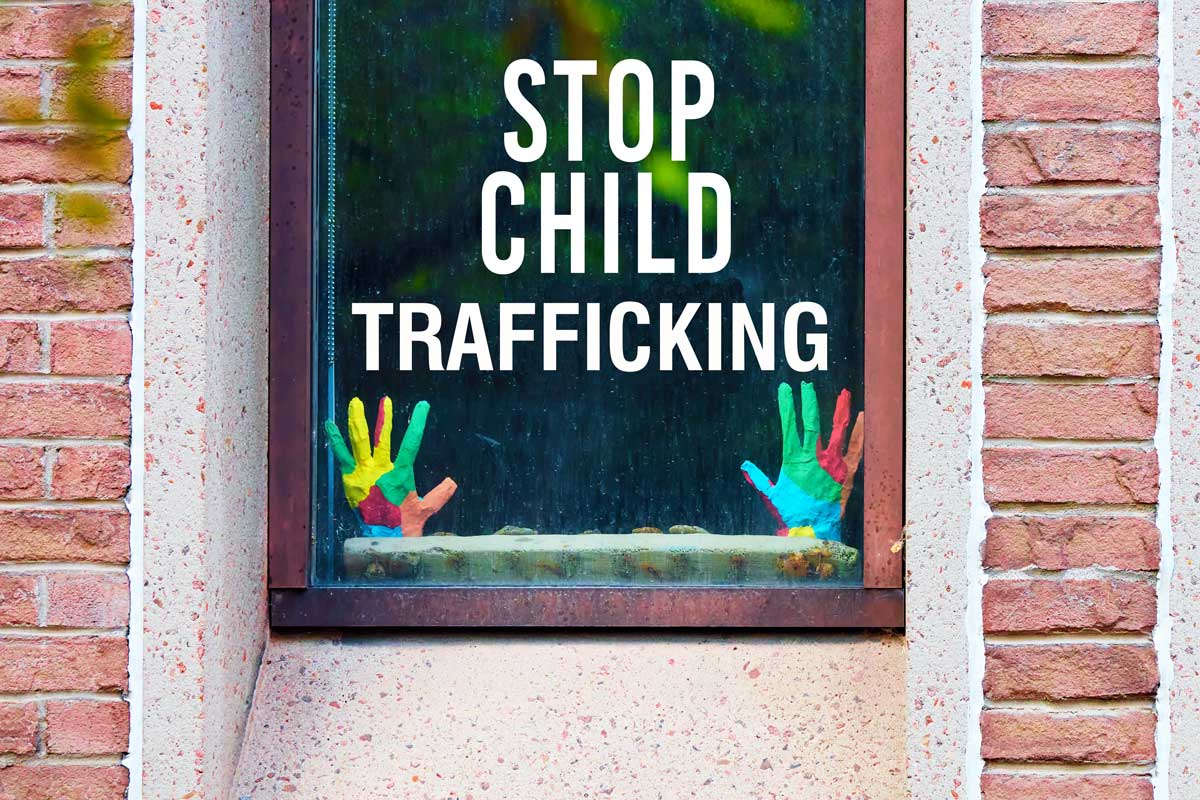 April is Sexual Assault Awareness Month and Child Abuse Prevention Month. Over the years, our work at WCW has addressed a wide range of critical issues related to these topics. One of the lesser publicly understood issues is the pressing problem of commercial sexual exploitation of children (CSEC) and teens, also known as sex trafficking.
 On March 11, 2021, the House of Representatives passed a bill seeking to “create a special education scheme to support deserving students attending public tertiary institutions across Liberia. The Bill is titled “An Act to Create a Special Education Fund to Support and Sustain the Tuition Free Scheme for the University of Liberia, All Public Universities and Colleges’ Program and the Free WASSCE fess for Ninth and Twelfth Graders in Liberia, or the Weah Education Fund (WEF) for short. The bill when enacted into law, will make all public colleges and universities “tuition-free”. The passage of this bill by the Lower House has been met by mixed reactions across the country: young, old, educated, not educated, stakeholders, parents, teachers among others, have all voiced their opinions about this bill. While some are celebrating this purported huge milestone in the education sector, others are still skeptical that this bill may only increase access but not address the structural challenges within the sector. I join forces with the latter, and in this article, I discuss the quality and access concept in our education sector and why quality is important than access. I recommend urgent action to improve quality for learners in K-12.

 As a new mother, you hold your baby in your arms, wishing for the best of the best for her. You may also be facing difficult career questions upon her arrival: When should you start working again? Should you be a stay-at-home-mom? Should you get a new job with a more flexible schedule? Will you be able to get promoted when you’re back at work? If you have a daughter, will she face the same choices in the future?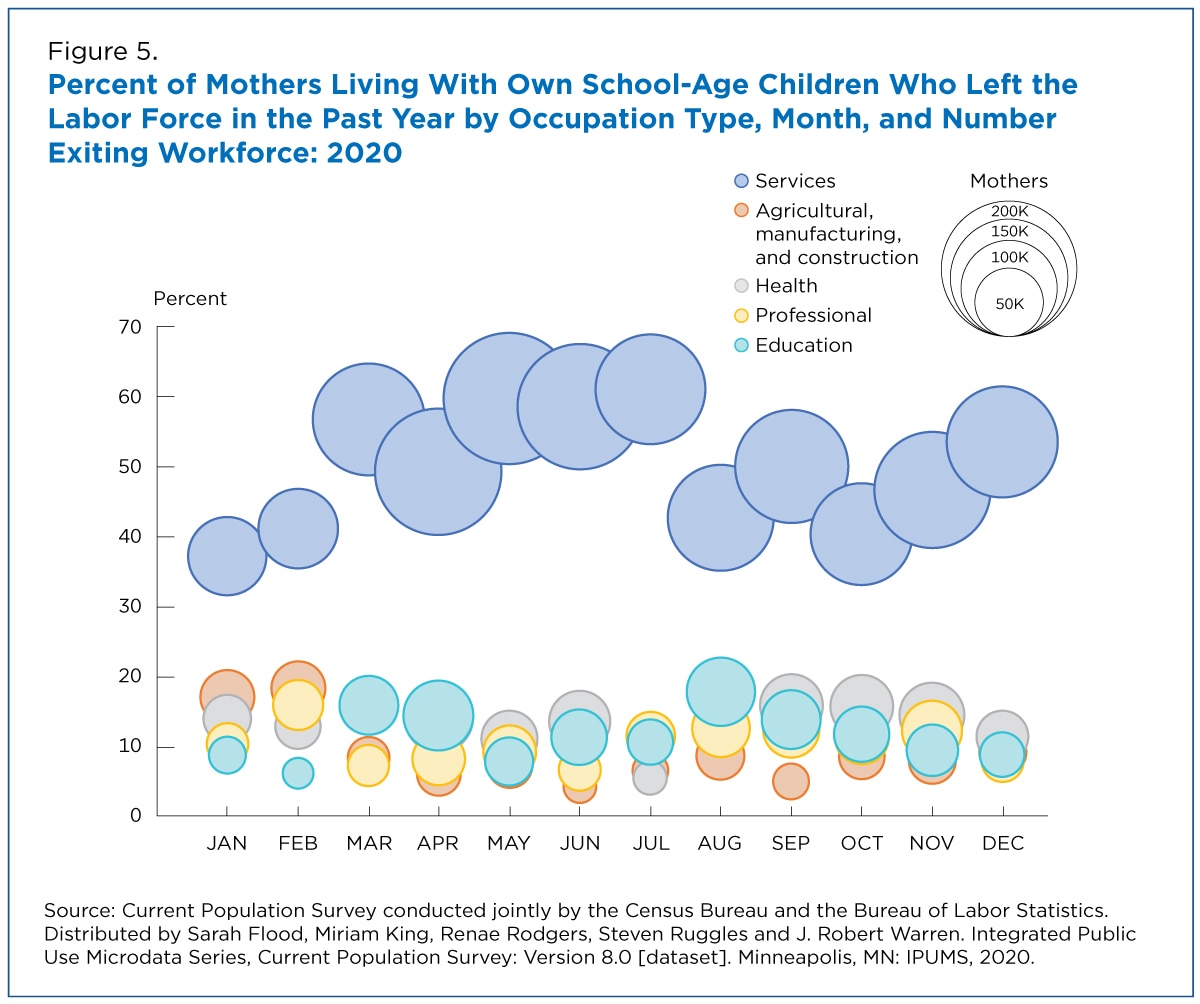
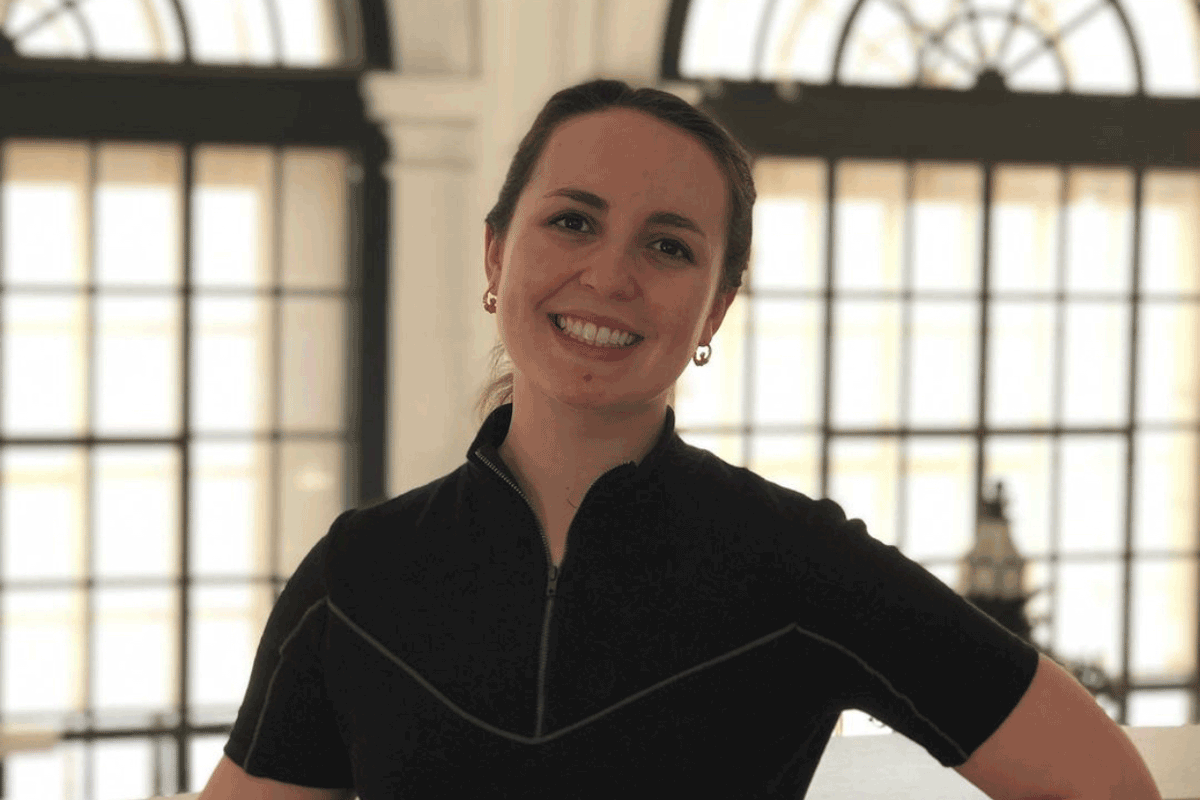 Sex education in the American public school system varies from state to state and from school district to school district. The lack of standardized sex education makes family education and conversations about sex and relationships all the more important for teenagers and their development. It is often assumed that parents are the default—that they are the only family members responsible for initiating these conversations. In my research conducted with WCW Senior Research Scientist
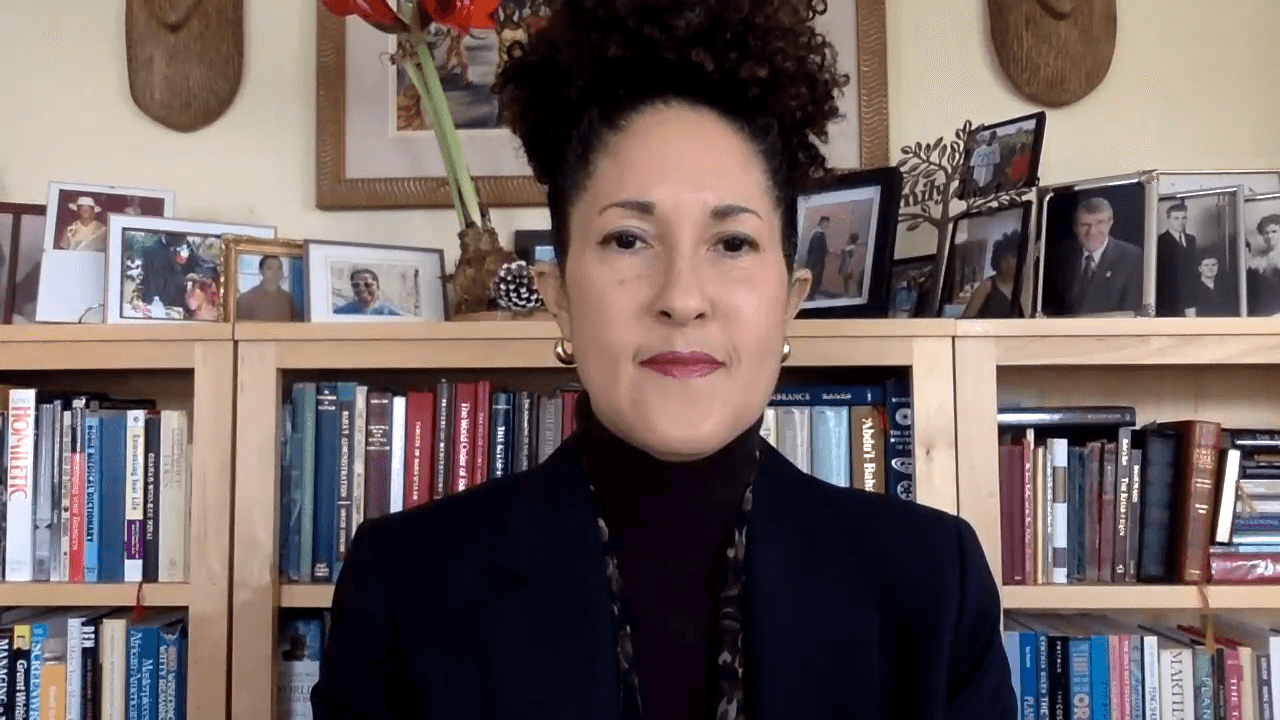
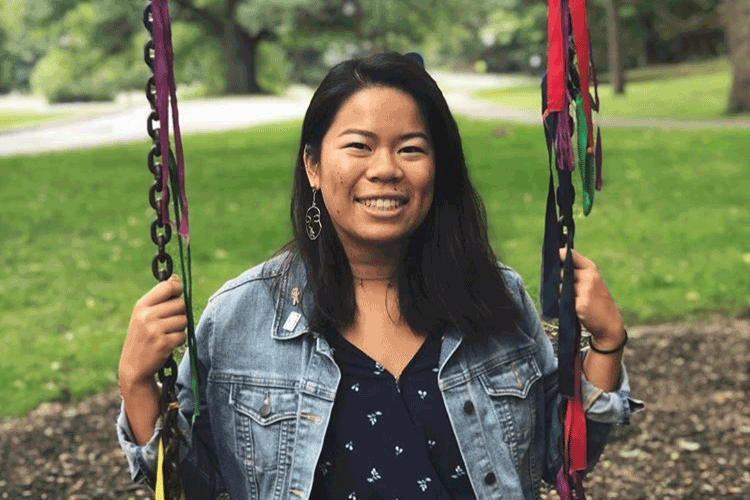 I spent the past semester working with Professor
  We at the Wellesley Centers for Women are starting our week with a sense of hope and possibility. We are proud to have a new
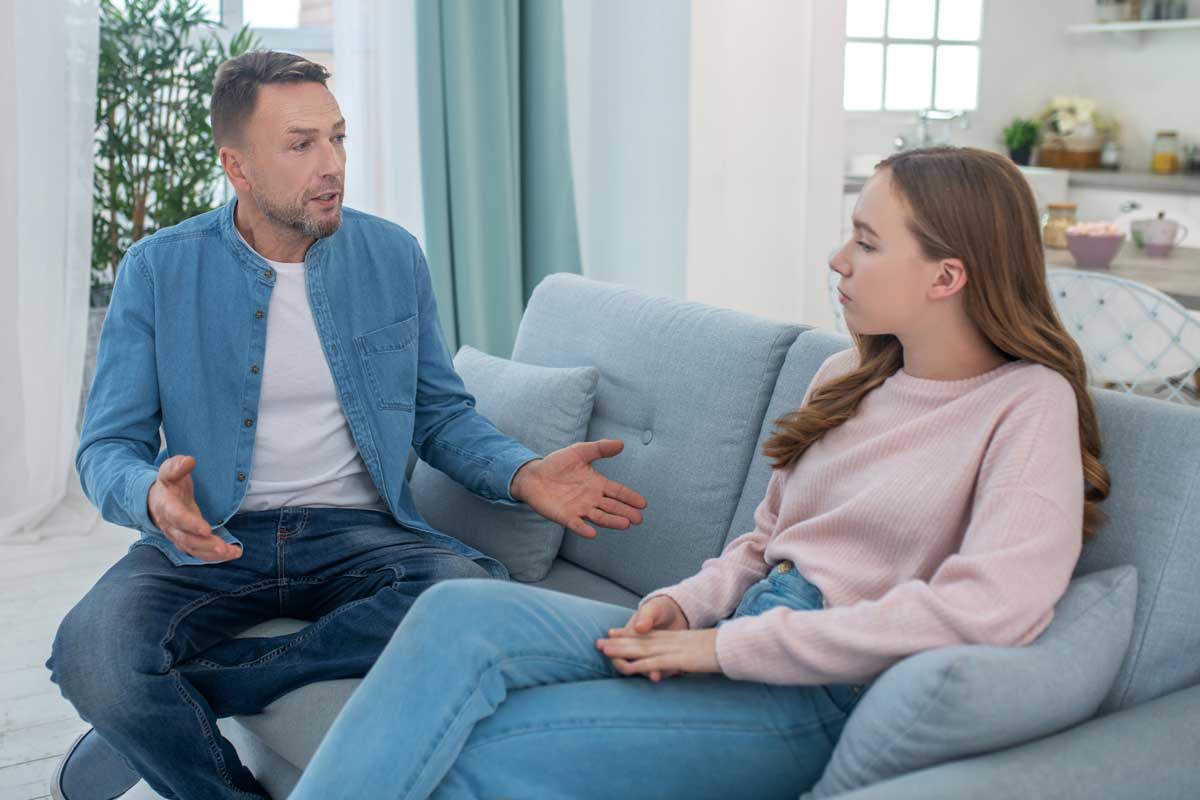 The pandemic has altered family life in unexpected ways.
 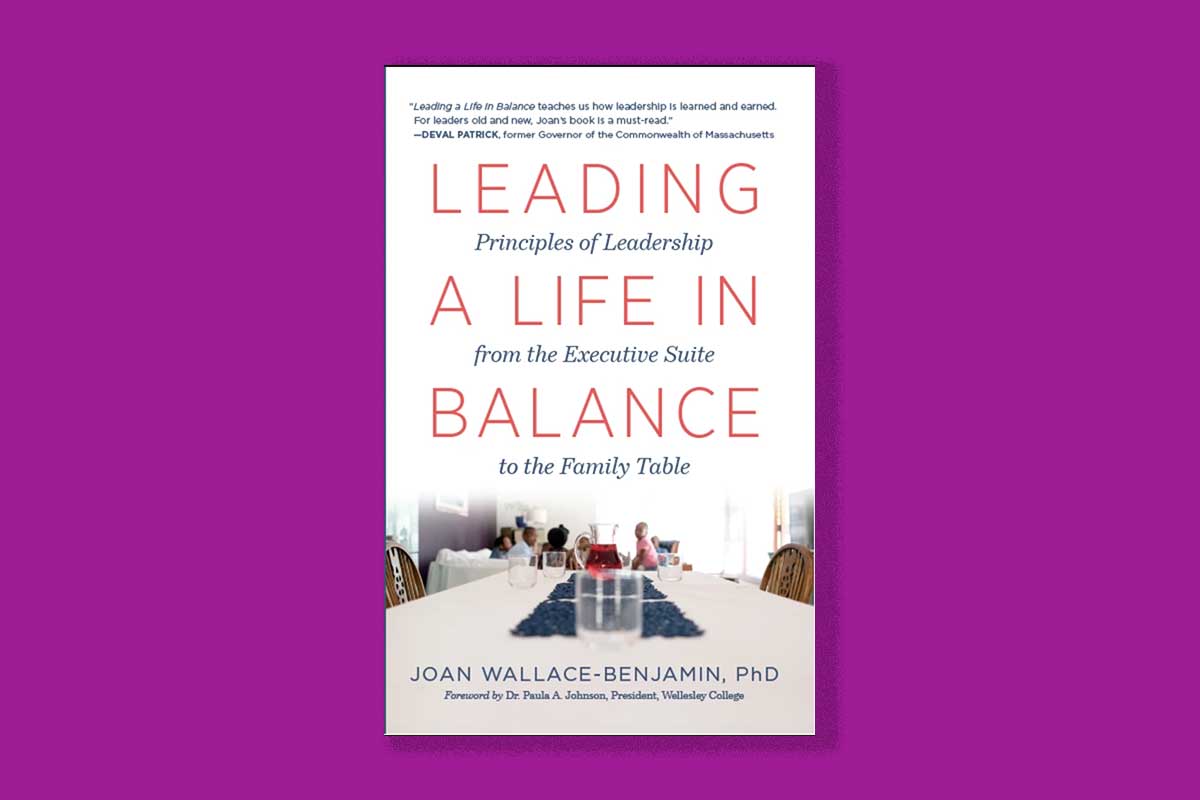 In my recently released book,
 In 2018, I began a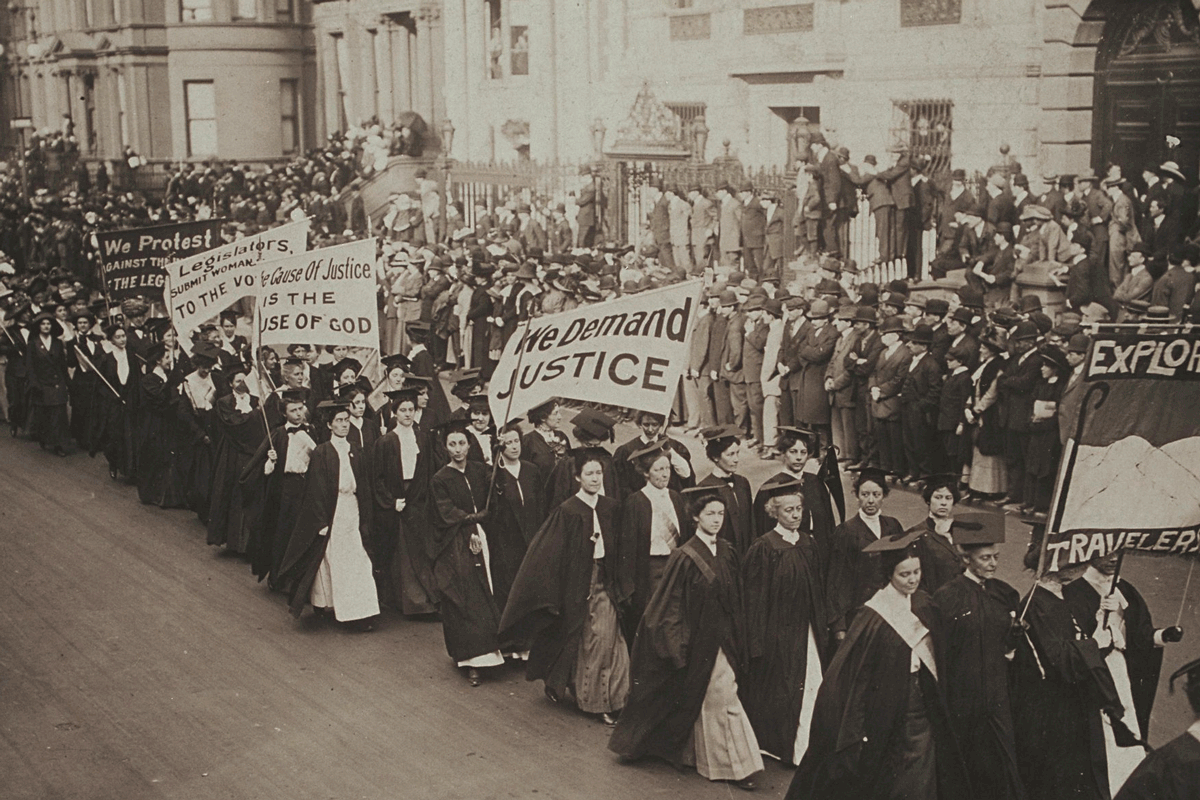


 The callous killing of
  Sage Carson was raped by a graduate student in her sophomore year of college. In an article for
 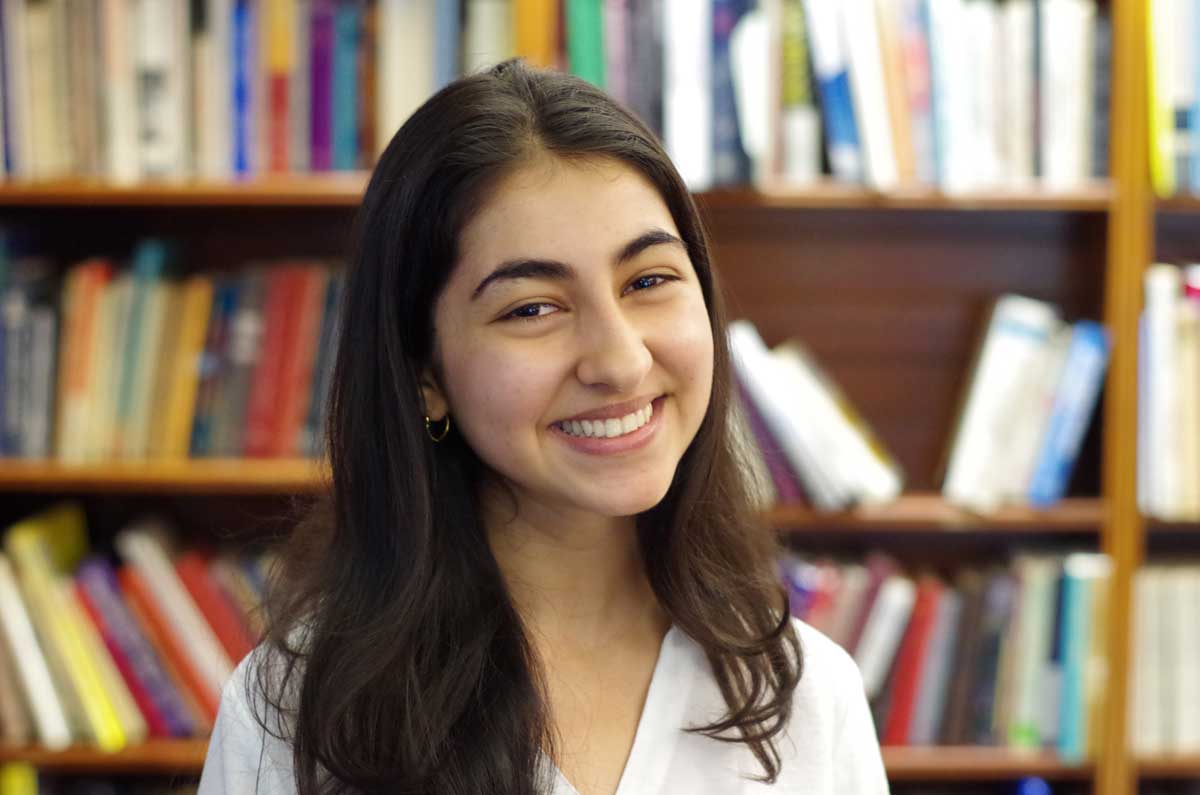 I never knew that I would have the opportunity to do social science research as an undergraduate until I got to Wellesley College. Towards the end of my first year, with my academic interests starting to gravitate toward Sociology and South Asia Studies, I knew I wanted to connect the concepts I was learning in the classroom to action-oriented research that produced tangible results for communities that I cared about. Through the helpful guidance of my peers, professors, and mentors, I discovered that I could get that opportunity by working at the Wellesley Centers for Women.
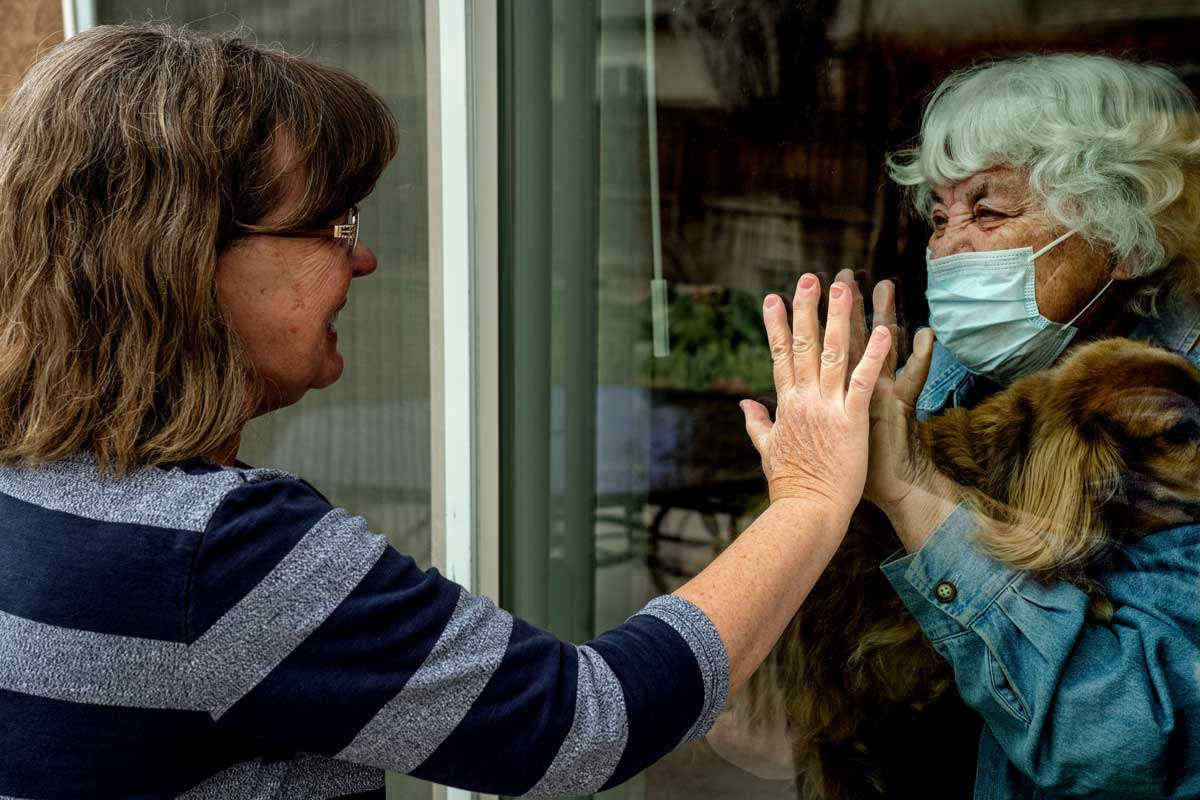 The challenges of isolation and loneliness have become apparent over the past several months of social distancing. Not only are we physically separated from our friends and extended families, but we’re concerned about their health and wellbeing as well as our own. We may be juggling childcare, homeschooling, and our own work. Or we may be wondering how we’ll support ourselves through this. We may know those who are sick, or who are high-risk, or who are essential workers putting themselves at risk for our sake. We may have lost people close to us. And we may feel powerless to do anything.
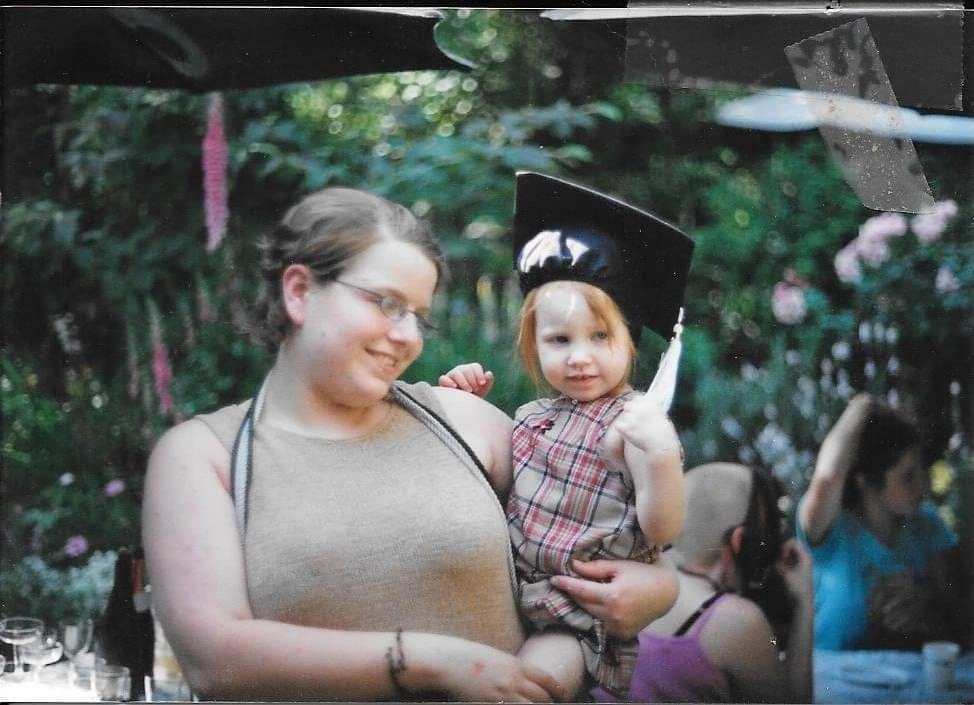 Last year on Mother's Day, I was driving through the Rocky Mountains, on my way from Oregon to Maine where my life was about to change forever. It was the first Mother's Day I had spent without my kids since they were born, and the first Mother's Day since my own mother had passed away. I yearned to call her to share the news of my latest adventure, as I always had during our frequent long-distance phone chats, but I knew I couldn’t. The following week, my daughter would bring my granddaughter into the world on the southern coast of Maine. The transcontinental journey I was on would end with the newest love of my life joining our family.
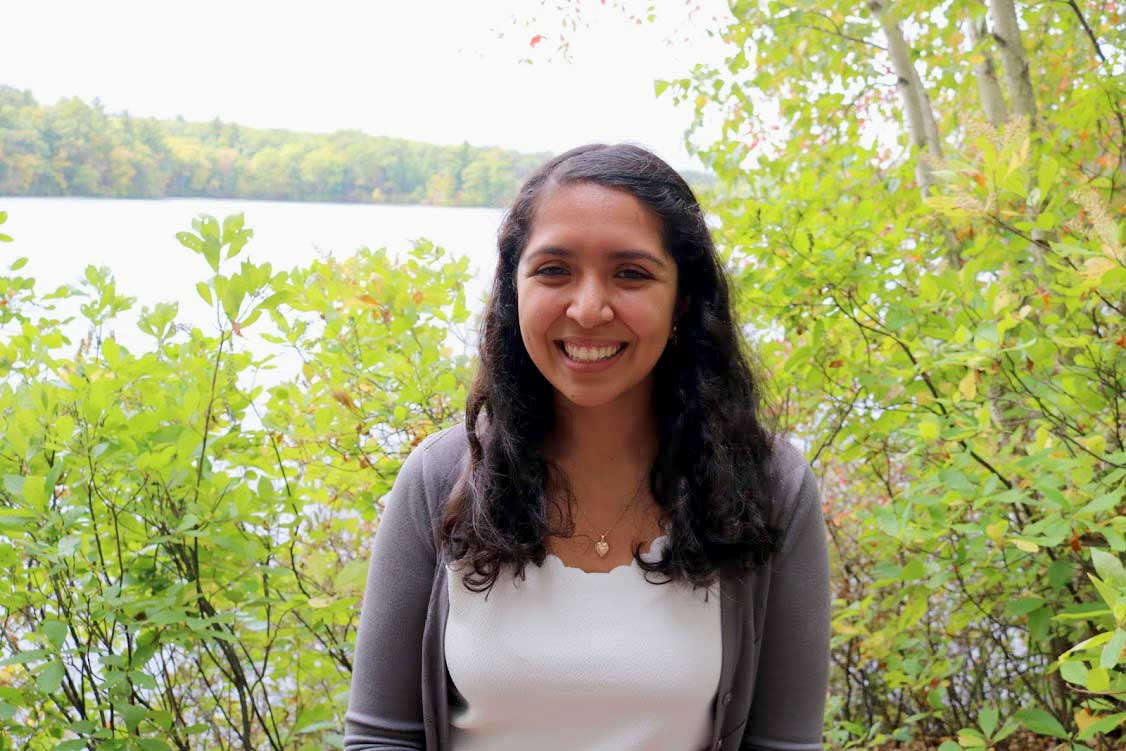 It is the spring of 2020, and my senior year at Wellesley College is not at all what I imagined it would be like. Before concerns about COVID-19 led
 This
This 
 This
This 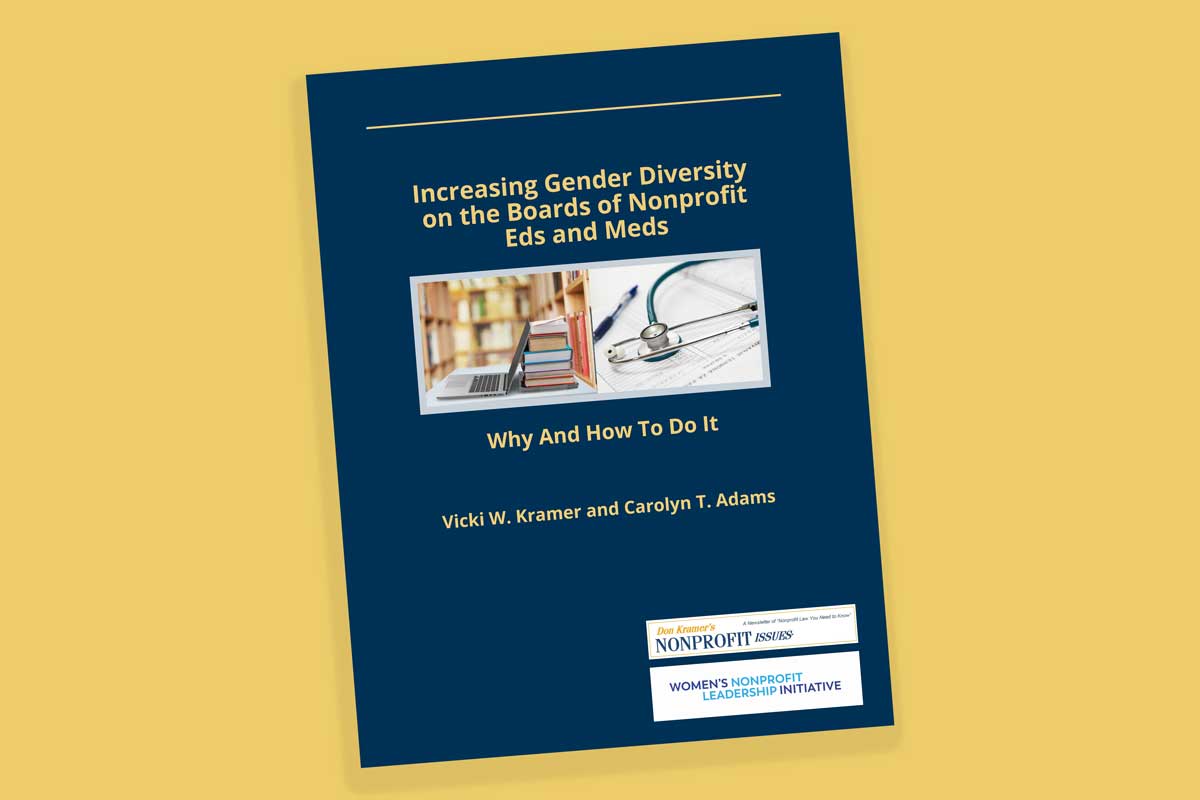 Hospitals and universities are facing challenges that many have never seen before as they respond to COVID-19. Universities are
  A woman graduates from college and starts her first job, earning about the same as the male colleague who sits next to her. She gets promoted a few times, her salary increases, and in her late 20s, she gets married. Her husband gets a job offer in a new city, they move, and she takes a slightly lower-paying job. In her early 30s, she has a baby, and then another baby in her mid-30s. She decides to cut back her hours (and thus her pay) in order to spend more time with her children.
  During this unprecedented time, our work at the Wellesley Centers for Women towards gender equality, social justice, and human wellbeing has taken on new meaning. As a society, we have become newly aware of just how fragile and precious human wellbeing is. And as an organization, we have been reminded of how deeply we care about the physical and mental wellbeing of our community — our research scientists, project directors, administrative staff, and supporters like you — as well as the larger global community to which we all belong.
 In 2019, Melissa Morabito, Ph.D.,

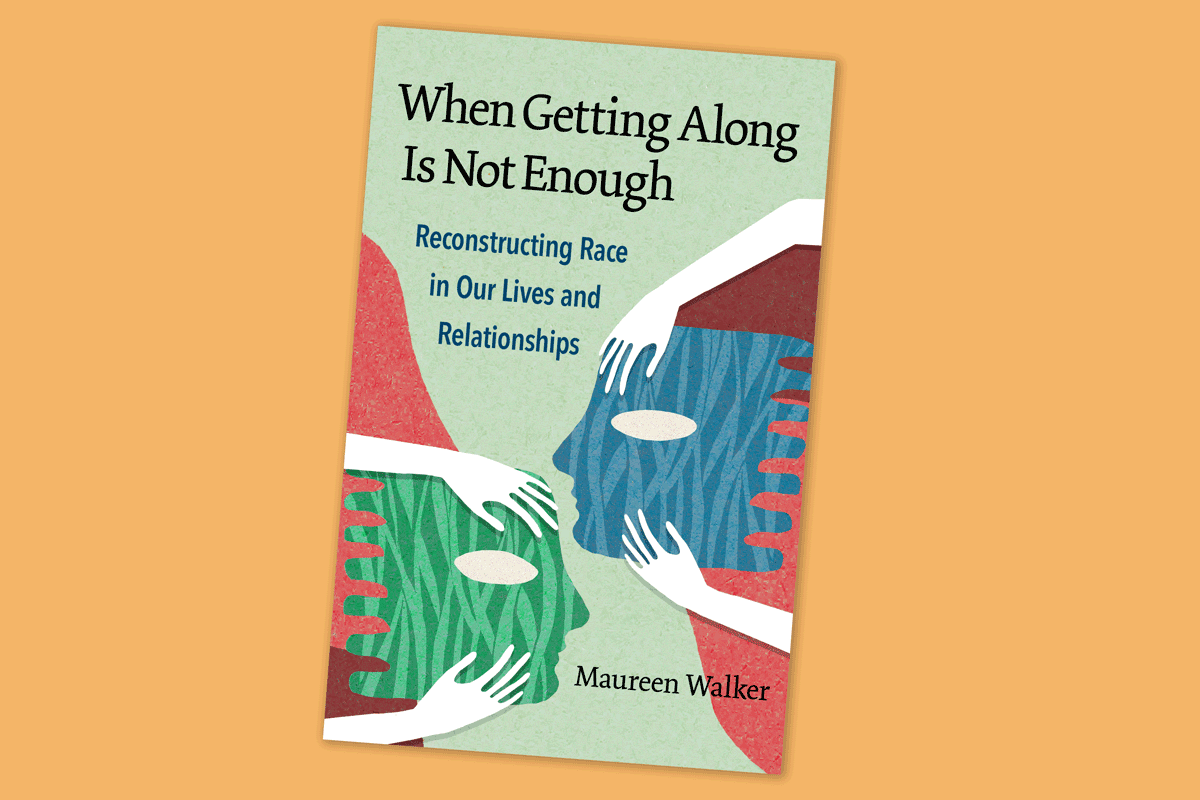 If conventional wisdom is to be believed, women are notoriously good at getting along. Cultural pundits, from scholarly theorists to political wags, suggest that
 A recent
  A recent family conversation reminded me of my (long-ago!) elementary school experience of learning who my teacher would be in the coming school year. I remember the sense of anticipation – who will be my teacher?.
 Yesterday on route to work my phone exploded with messages from friends and colleagues urging me to, "Turn on NPR right now,” to hear their
  Video games are on my mind these days. Especially violent ones, like Call of Duty or Grand Theft Auto. But special recognition goes to
 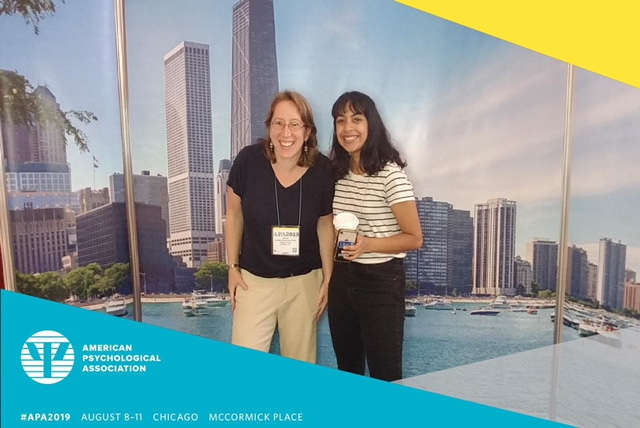 My name is Anmol Nagar and I’m a junior at Wellesley College, originally from the California Bay Area. Over the past year I’ve done research at the Wellesley Centers for Women with
 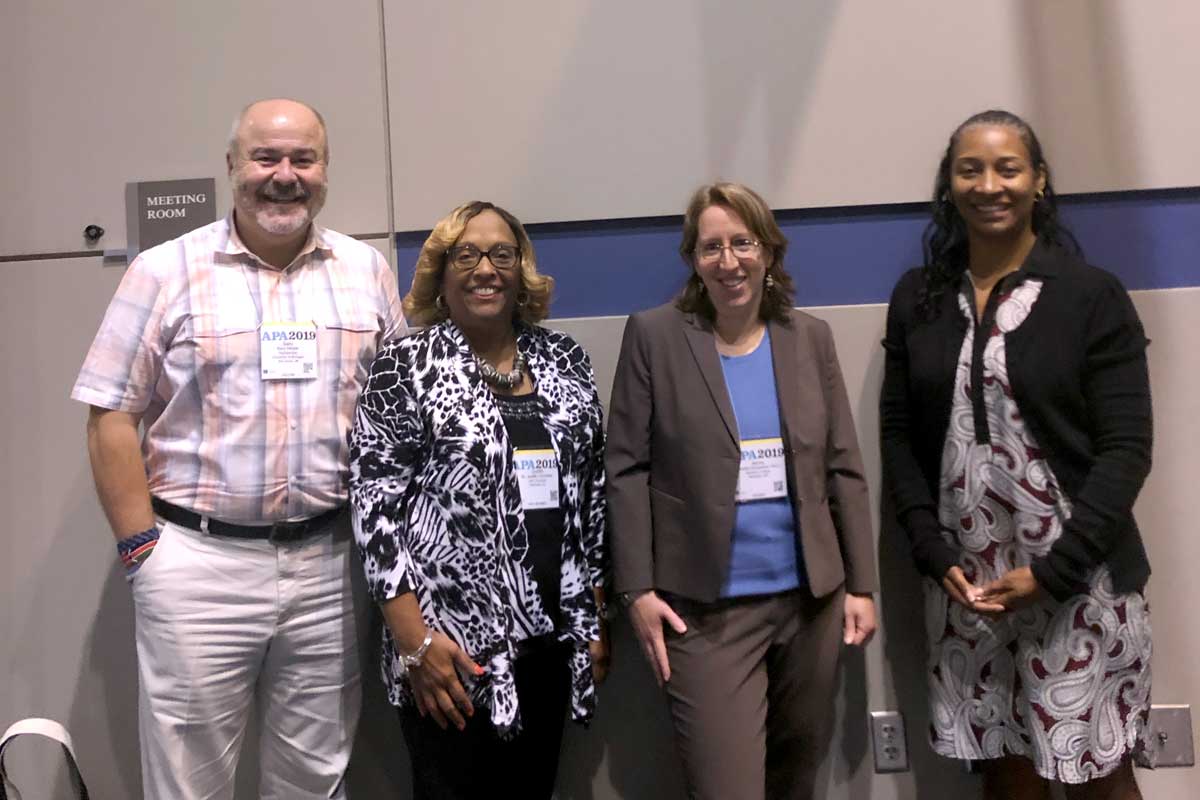 At the end of the presentation, Dr.
 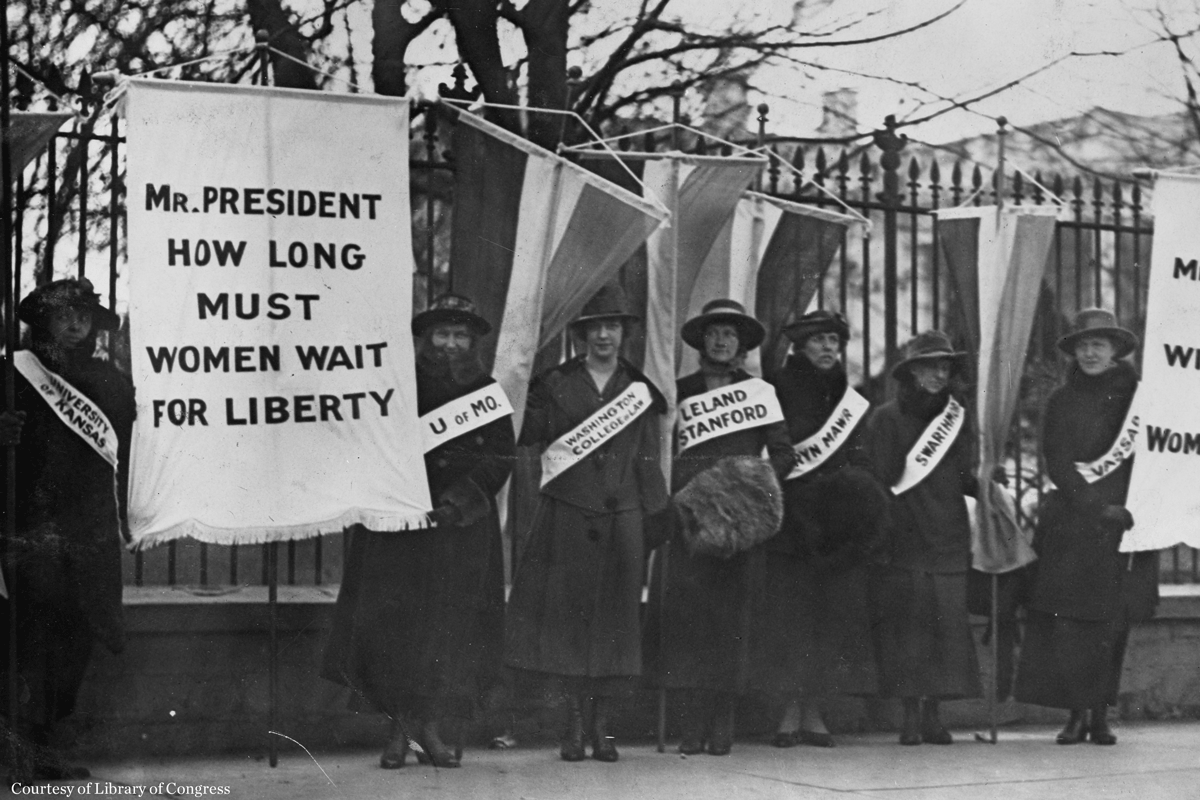 The long march towards progress is often one that extends across generations. The U.S.
  This week, Canada launched the
  The teen sitting across from me avoided making eye contact as he responded to my questions. He provided thoughtful answers in a soft voice as he looked down at the rubber band in his hands, stretching and turning it repeatedly. Clearly this young man was struggling with symptoms of depression such that he was disengaged from his friends, skipping track practices, missing homework assignments, sleeping too much. Yet when I asked him if I could share his symptoms with his guidance counselor so that he could get some support in school, he quickly replied, “No,” saying that he didn’t want anyone at school to know. “I’m only telling you about this, “ he insisted, “because I’ll never see you again.”
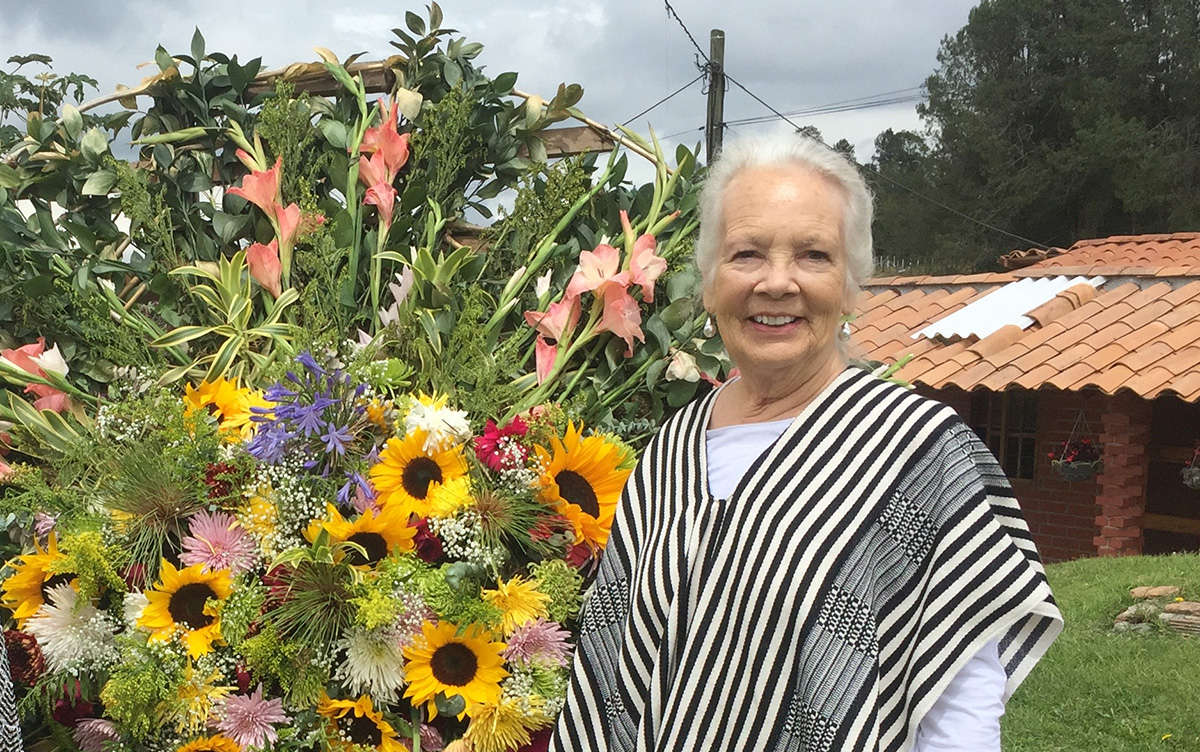 Close to half a century has passed since I lived in
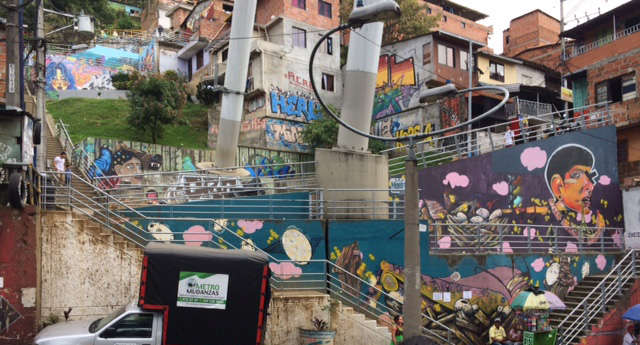
 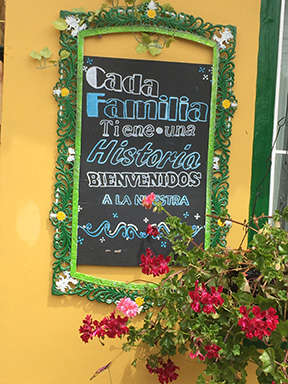 But as much as I believed in my work and as much as I loved Colombia—the food, the people, the mountains, majestic and ever changing as clouds and sun played hide and seek—I realized Amy’s physical and developmental challenges required medical care and educational programs unavailable in Colombia. Amy and I left. I was unsure if I would ever return.
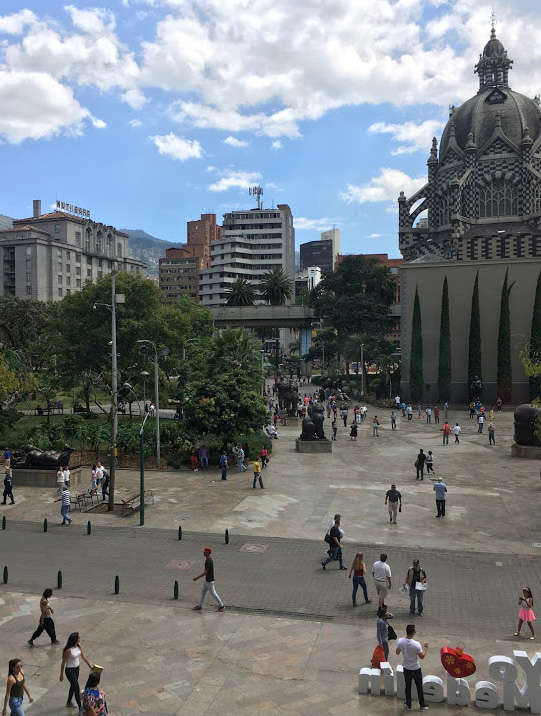 ote for me. One of the bits of information our guide mentioned as we passed a large public school was that schools were now required to teach sex education to students starting in the early grades. Recalling the opposition our sex education project had encountered years before, I asked if the requirement was enforced or merely a regulation on the books. He smiled. “Well, Senora, I can’t speak for the entire country, but certainly in the big cities and towns it is a regular part of the educational program. The law was passed in 1994.”
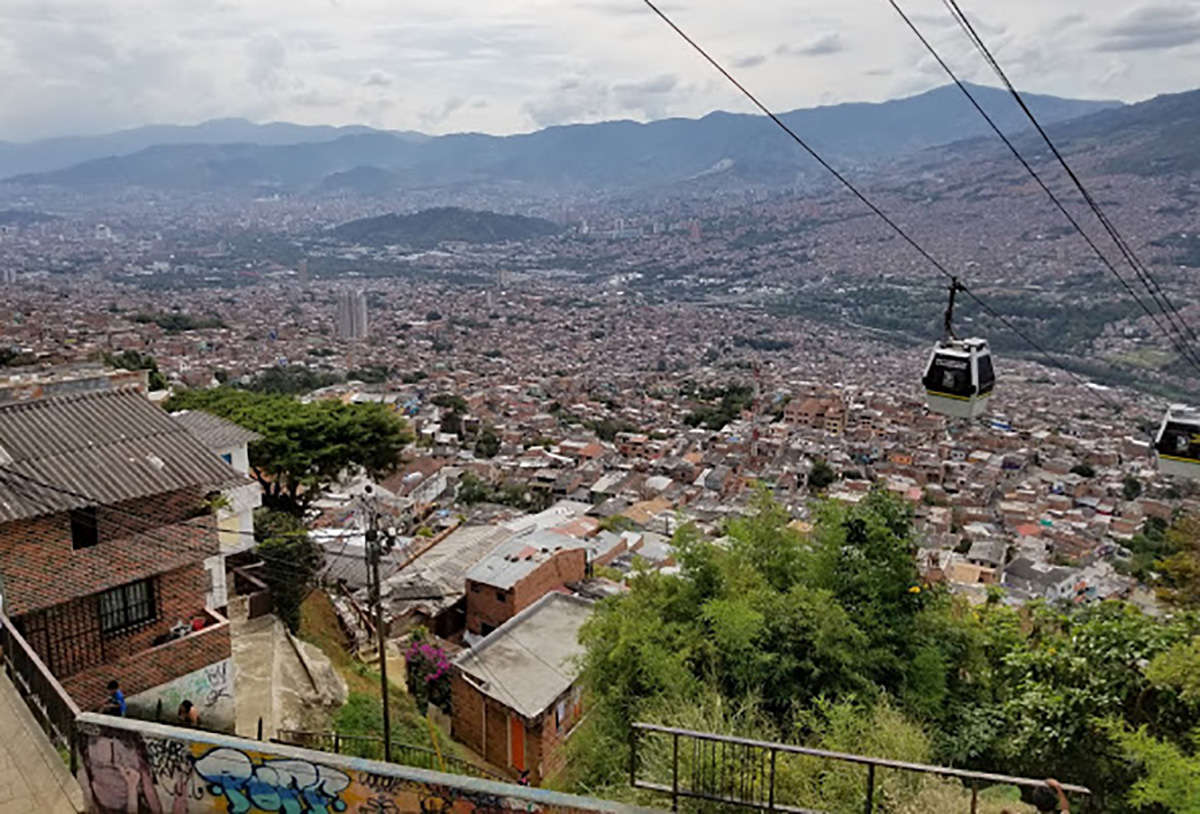 A spectacular
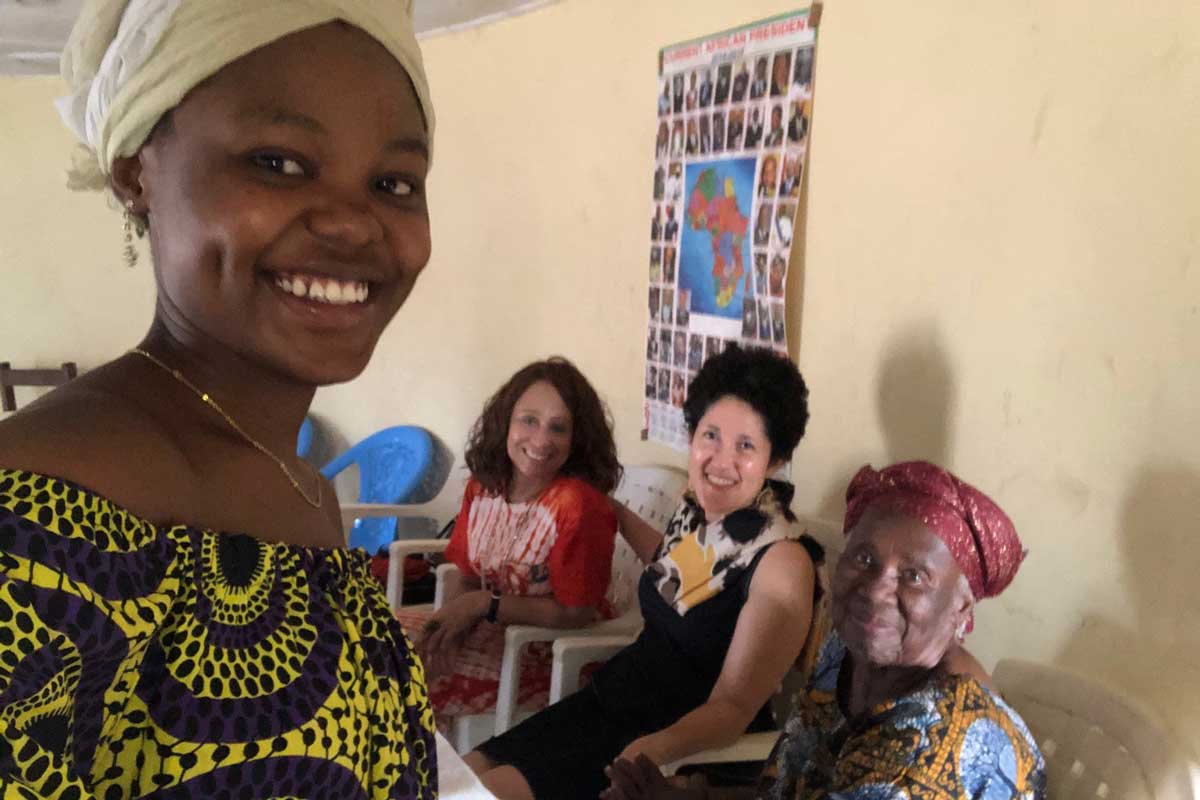
  all interested in medicine,” we asked. “No, I’m going to study psychology,” another replied.
 Recently I returned from Liberia, which USA Today just rated as
 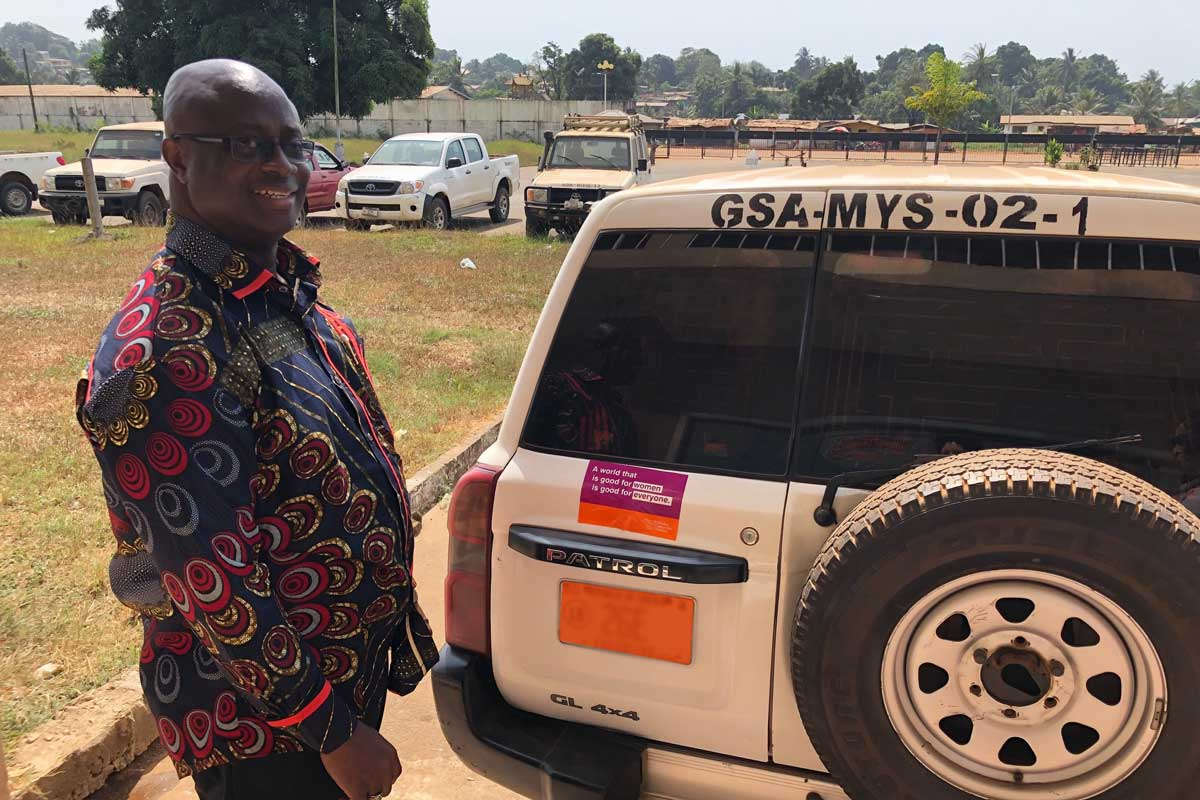 Another view—one that I would like to align with the research and action of the Wellesley Centers for Women—is one that sees (and contributes to) hope, promise, and enthusiasm in and with regard to African youth and their prospects. An approach that asks African youth for their own perspectives and aspirations, one that embraces African youth and their insights and talents, and one that takes the historical, political, economic, structural, and systemic context of African youths’ lives into consideration—and, at times, challenges those—is the one I would like not only to endorse, but to operationalize. It is an approach that sees the wealth in people, not just one that sees the poverty created by their circumstances. It is also an approach that cultivates African youth leadership.
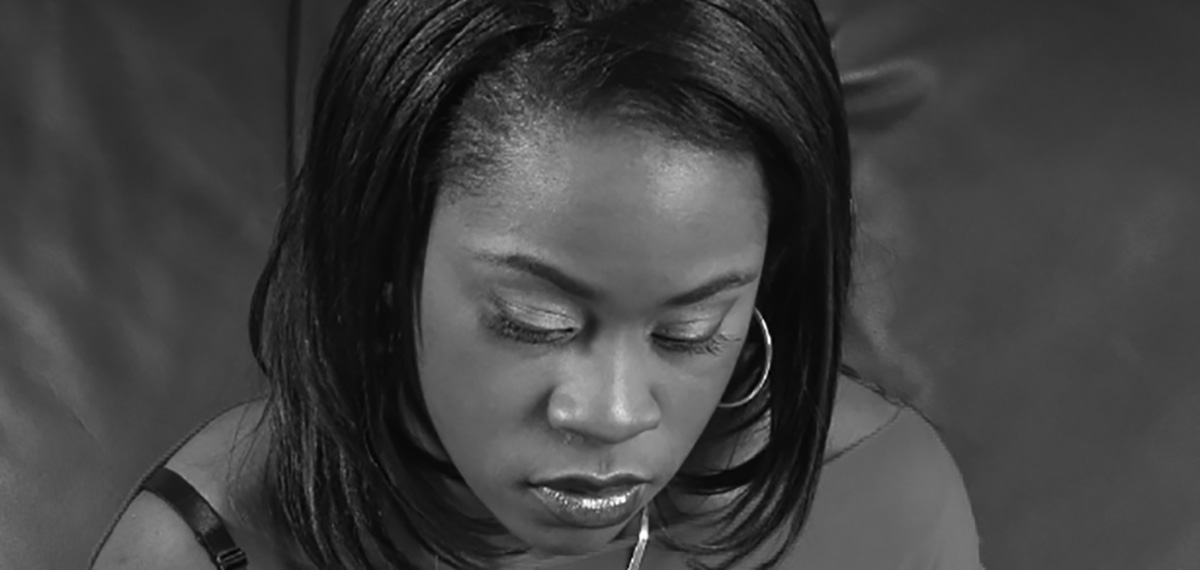 Why Racialized Exclusion Hurts and How We Can Remain Resilient
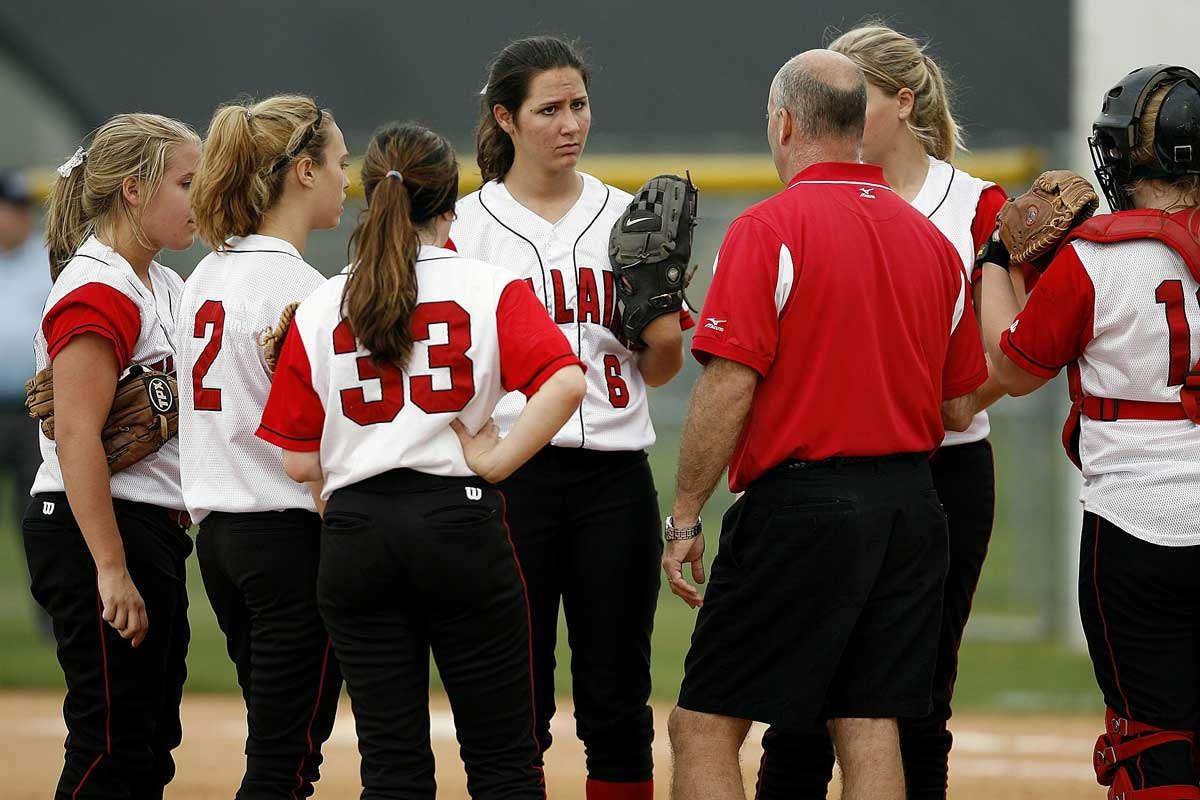 No one looks for a job in a newspaper’s “Help Wanted” section anymore. But some 50 years after the federal Equal Employment Opportunity Commissions in 1968 said that listing jobs under “male” and “female” headings was illegal, the psychological divide lingers – in sports.
