

This article was originally published May 10, 2013 on Huffington Post by Alex Sanger, chair of the International Planned Parenthood Council and member of the Wellesley Centers for Women Council of Advisors.
What do a collapsing sweatshop in Bangladesh, the denial of a lifesaving abortion to a young woman in El Salvador and the kidnapping, rape and torture of three women in Cleveland have in common?
They exemplify the fact that women are not just second-class citizens, but not considered citizens at all.
Right now, we have the chance to change this reality by creating a wise, strategic and human-centered development agenda centered on women and girls. After months of work, civil society, private sector and government heavyweights will gather in New York this week to chart their vision for the future of global development. As members of a high-level panel tasked with advising the United Nations Secretary General on key areas of investment, leaders like Liberian President Ellen Johnson Sirleaf and UK Prime Minister David Cameron will have the difficult task of balancing a number of competing and important global priorities like education, employment, water, and health at the group's final meeting.
At the top of their list should be the health and rights of women and girls.
 We have waited too long! In 1994, governments agreed to an ambitious Programme of Action to achieve gender equality, eliminate violence against women, and ensure access to basic sexual and reproductive health services. Since that time, this landmark agreement has been reaffirmed, even providing the roadmap for the creation of the Millennium Development Goals that aimed to reduce poverty and ensure universal access to reproductive health.
Yet despite the many promises and commitments signed throughout the years, women's human rights and health remain a distant dream for many. Today, one in three women around the world will be raped, beaten, coerced into sex or otherwise abused in her lifetime. Today, more than 200 million women want--but are unable to access--basic contraceptive services. Today, the largest-ever generation of adolescent and young women are increasingly at risk of HIV infection, many times lacking information on how to protect themselves and the power to negotiate condom use with their partners.
We know--as generations before have professed--that we cannot achieve sustainable development, that we cannot build healthy and empowered communities and nations when we continue to deny half the world's population their basic human rights and fundamental freedom.
This week, as the panel finalizes its recommendations for Secretary Ban Ki-moon, we call on panel members to prioritize:
- Universal access to quality and comprehensive sexual and reproductive health services, including safe abortion
- Universal access to quality education for women and girls, including comprehensive sexuality education
- The elimination of all forms of violence against women and girls
- The guarantee of women's rights, gender equality and women's empowerment, including their right to live free of discrimination and participate freely in political, economic, environmental and social decision-making spheres
- The development of mechanisms within the new global development paradigm that hold governments accountable to clear, time-bound commitments.
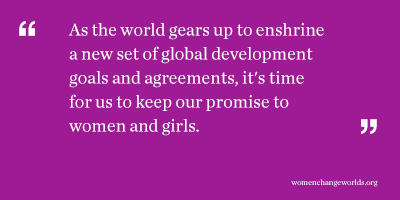
As the world gears up to enshrine a new set of global development goals and agreements, it's time for us to keep our promise to women and girls. We have an unparalleled opportunity to secure a sustainable world of justice, choice and well-being for all people, and without a doubt, we need healthy, empowered women and girls to ensure that our planet can continue to care for us all.
Alexander Sanger is the author of Beyond Choice: Reproductive Freedom in the 21st Century, published in January 2004 by PublicAffairs. The grandson of Margaret Sanger, who founded the birth control movement over eighty years ago, Mr. Sanger is currently Chair of the International Planned Parenthood Council and has served as a Goodwill Ambassador for the United Nations Population Fund.

 Dear Friends of WCW:
 services to women and girls who need them. What our clinic staff has seen firsthand is that blocking access to abortion and comprehensive reproductive health care doesn’t stop them from being needed, or even stop them from happening — it just keeps them from being safe. Due in large part to extensive abortion bans throughout the region, 95% of abortions in Latin America are performed in unsafe conditions that threaten the health and lives of women.
 In the mid-1970s, Stanford-based psychologist
  capital. It was witnessing homelessness in her city that inspired her to figure out how she and her family could make a real difference, and her “power of half” principle has since become a movement.


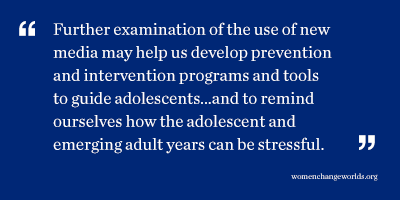 Media coverage about social media has not been kind—often linking its use with cyberbullying, sexual predators, and depression or loneliness. But recent scholarship on new media demonstrates that interpersonal communication, online and offline, plays a vital role in integrating people into their communities by helping them build support, maintain ties, and promote trust. Social media is often used to escape from the pressures of life and alter moods, to secure an audience for self-disclosures, and to widen social networks and increase social capital. The



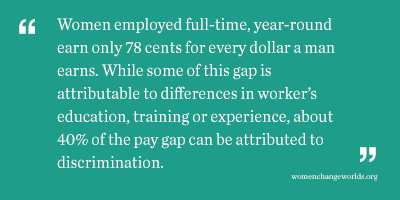 Service occupations, such as maids and housekeeping cleaners, personal care aides and child care workers, are the lowest paid of all broad occupational categories. This disproportionately affects the earnings of
 , Ph.D., is a research scientist at the Wellesley Centers for Women studying
 On March 11, 2021, the House of Representatives passed a bill seeking to “create a special education scheme to support deserving students attending public tertiary institutions across Liberia. The Bill is titled “An Act to Create a Special Education Fund to Support and Sustain the Tuition Free Scheme for the University of Liberia, All Public Universities and Colleges’ Program and the Free WASSCE fess for Ninth and Twelfth Graders in Liberia, or the Weah Education Fund (WEF) for short. The bill when enacted into law, will make all public colleges and universities “tuition-free”. The passage of this bill by the Lower House has been met by mixed reactions across the country: young, old, educated, not educated, stakeholders, parents, teachers among others, have all voiced their opinions about this bill. While some are celebrating this purported huge milestone in the education sector, others are still skeptical that this bill may only increase access but not address the structural challenges within the sector. I join forces with the latter, and in this article, I discuss the quality and access concept in our education sector and why quality is important than access. I recommend urgent action to improve quality for learners in K-12.

 As a new mother, you hold your baby in your arms, wishing for the best of the best for her. You may also be facing difficult career questions upon her arrival: When should you start working again? Should you be a stay-at-home-mom? Should you get a new job with a more flexible schedule? Will you be able to get promoted when you’re back at work? If you have a daughter, will she face the same choices in the future?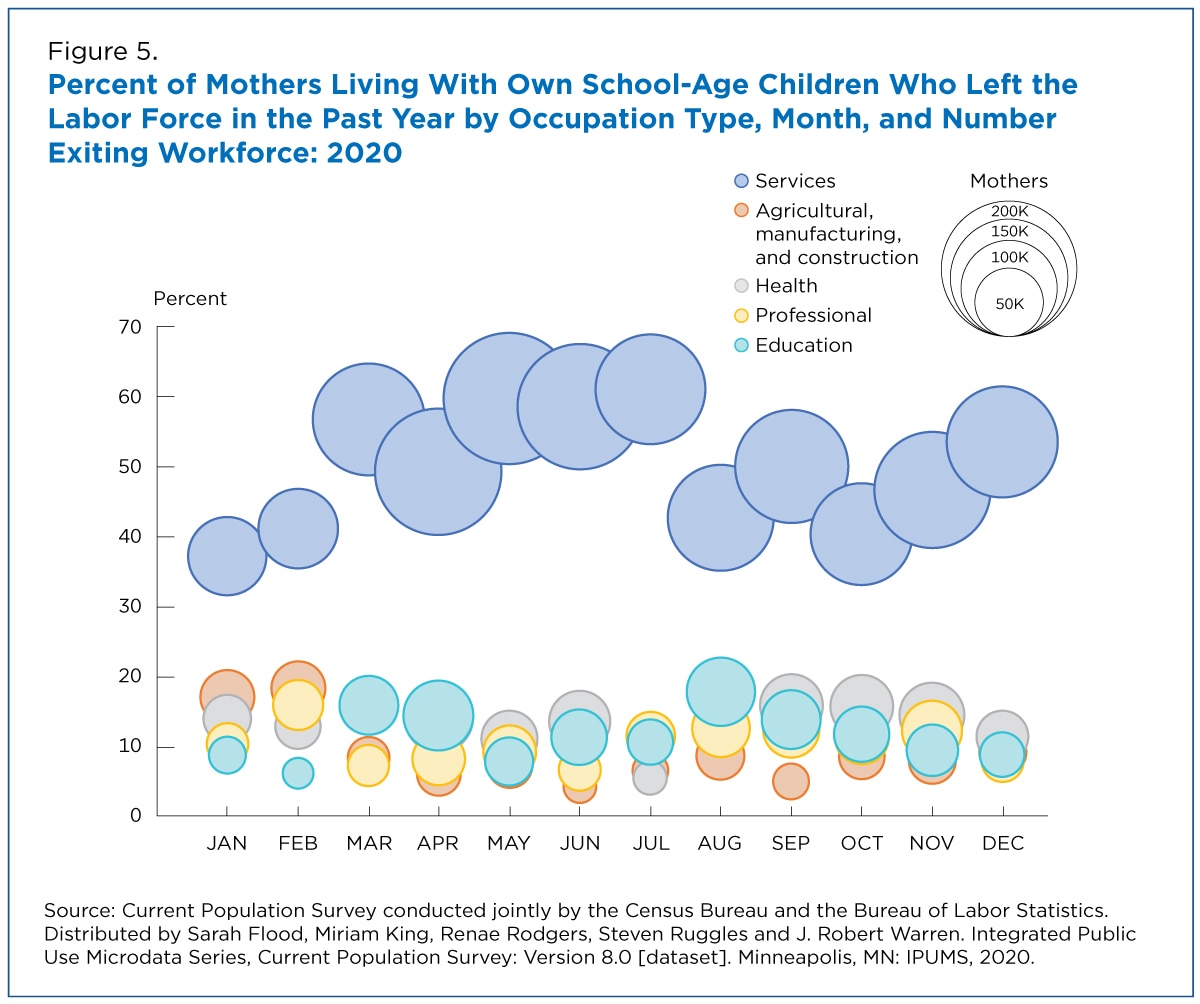
 I spent the past semester working with Professor
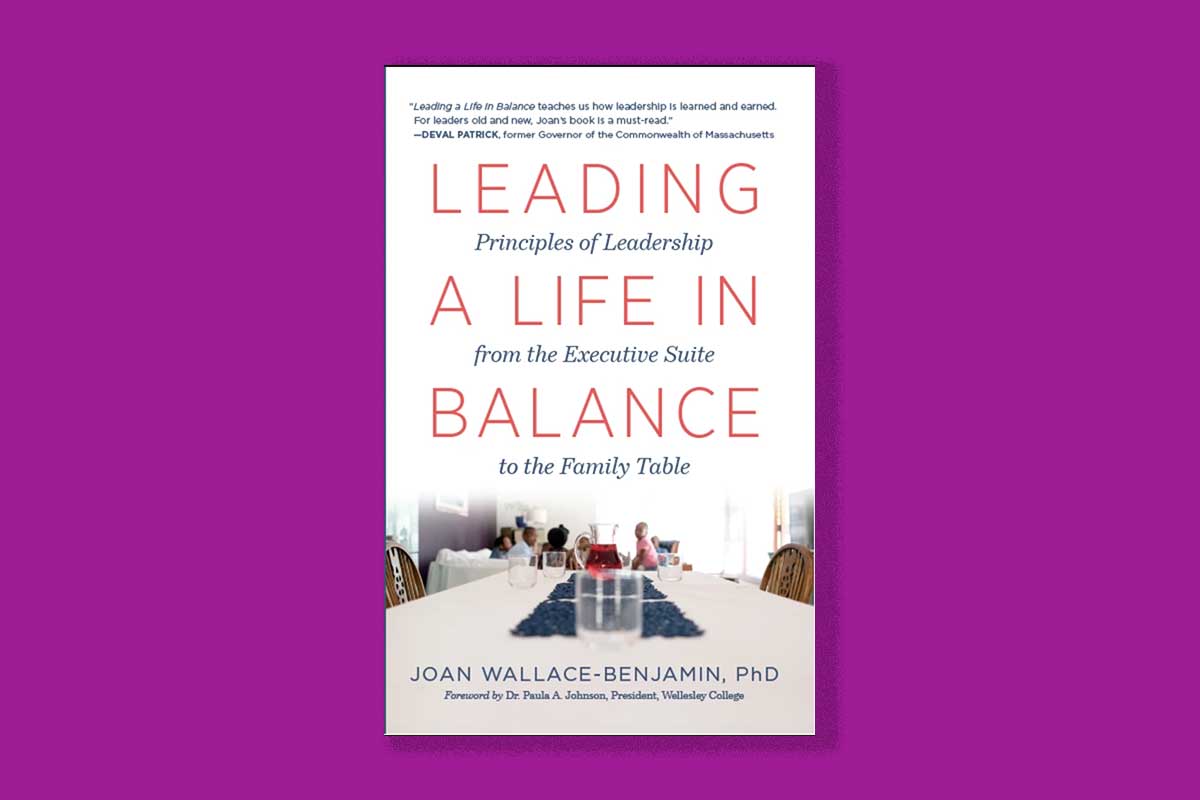 In my recently released book,
 publication because we had, basically, run out of money, WCW partnered with
 In my hometown, I see evidence that women are emerging as confident, enthusiastic leaders of technology. Recently, I was at a public meeting for a community group planning the inaugural


 H.R.377) would strengthen the Equal Pay Act of 1963.
 A woman graduates from college and starts her first job, earning about the same as the male colleague who sits next to her. She gets promoted a few times, her salary increases, and in her late 20s, she gets married. Her husband gets a job offer in a new city, they move, and she takes a slightly lower-paying job. In her early 30s, she has a baby, and then another baby in her mid-30s. She decides to cut back her hours (and thus her pay) in order to spend more time with her children.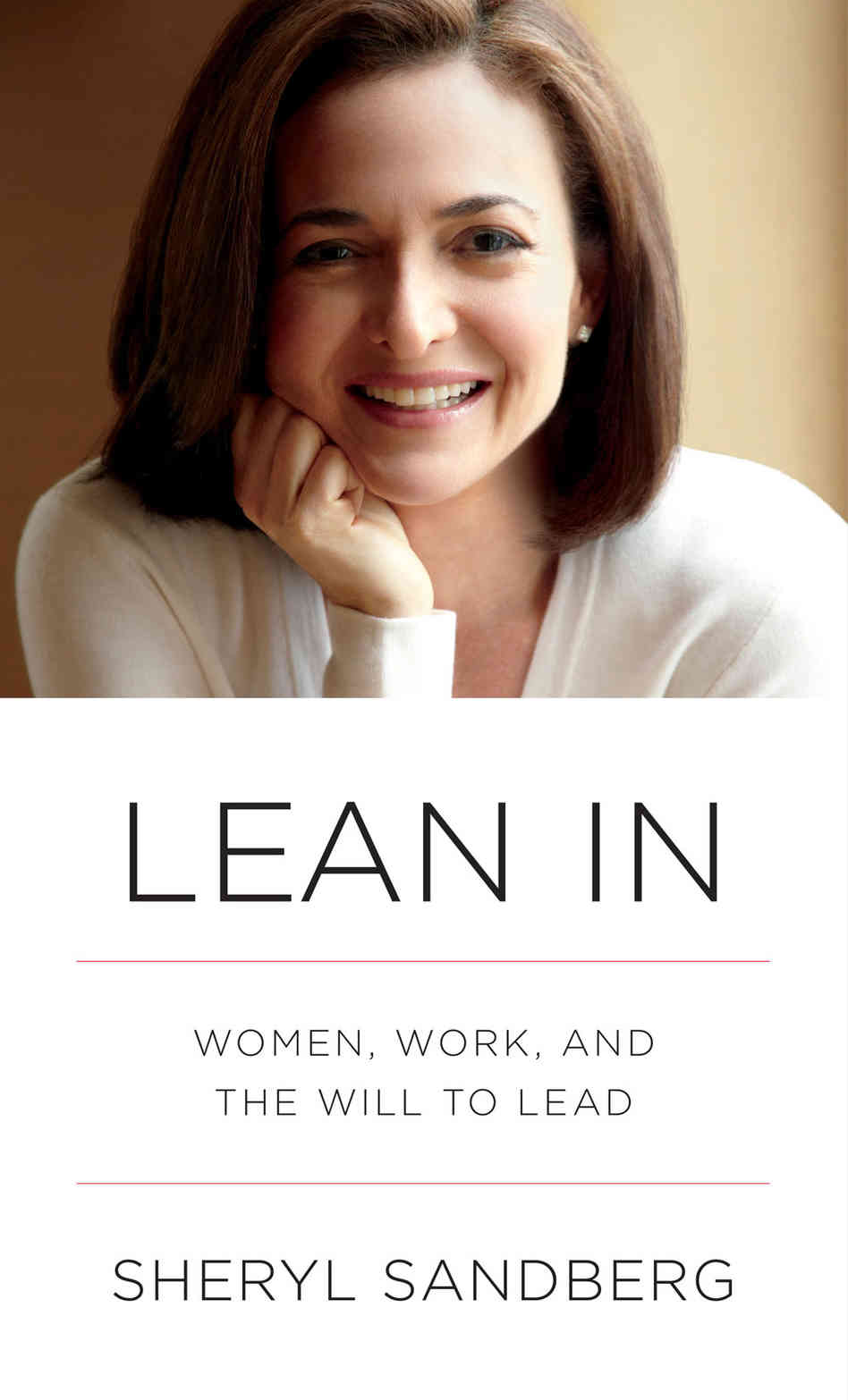
 life-changing impact of our own

 by people who do not know the candidate personally. When there is no familiarity with the person being evaluated to trump the bias that makes men seem more competent, men are chosen over equally competent women.

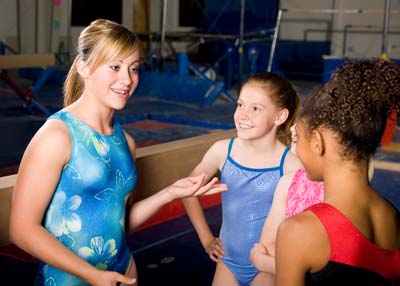
 to have a more accessible image of where practice and commitment could get them was inspirational. It’s more than just the final score.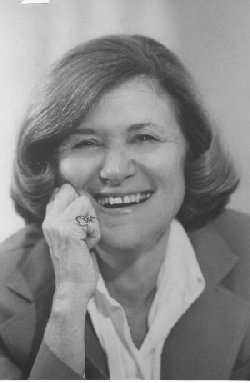
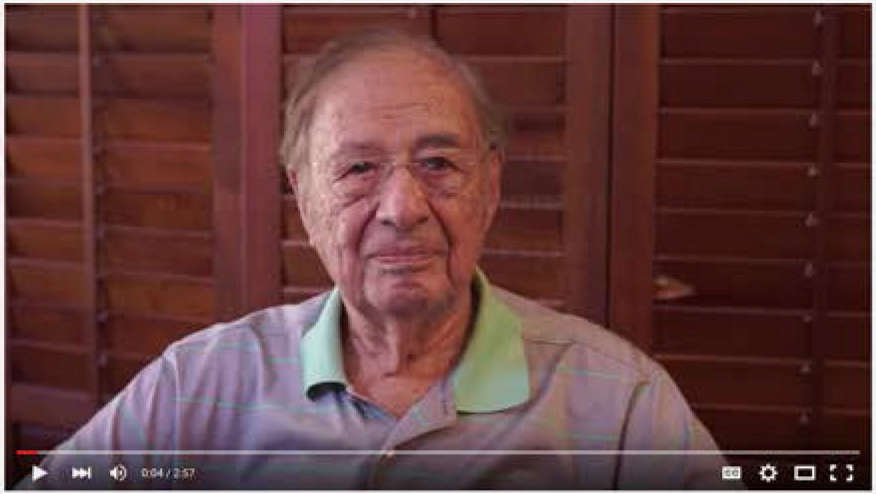 Over the summer, Alan visited us here at the Wellesley Centers for Women, and here’s what he had to say about Maggie>>
 Hospitals and universities are facing challenges that many have never seen before as they respond to COVID-19. Universities are
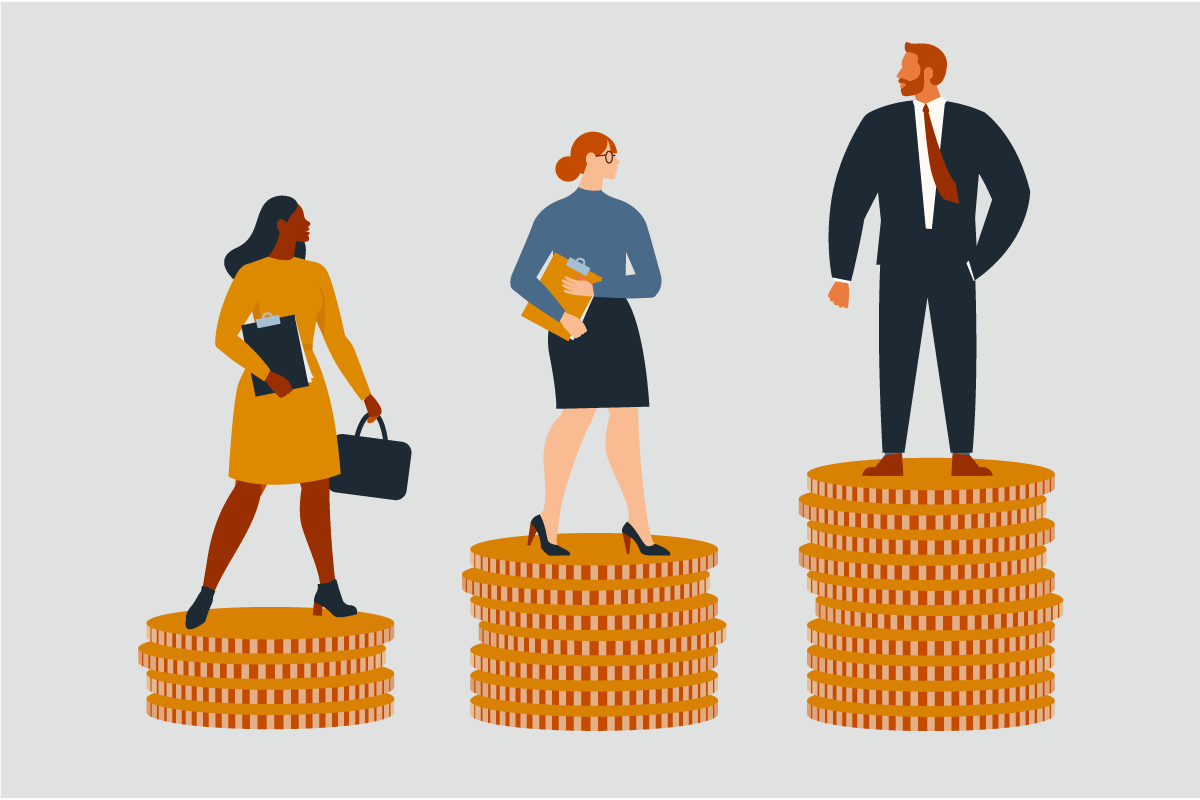
 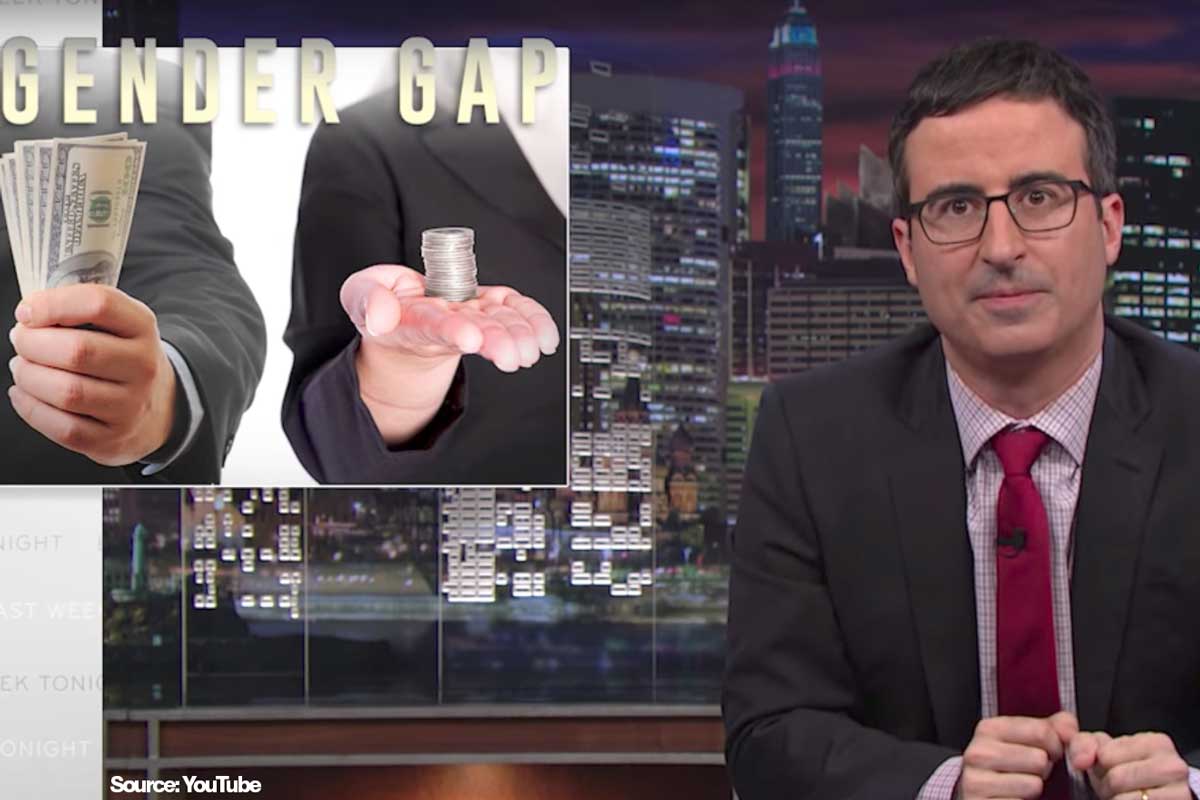 We all have heard it, women earn about 20 percent less than men. But when, how, and why does the gap emerge? Everyone has an opinion on it, and these opinions range widely – which leads to many
 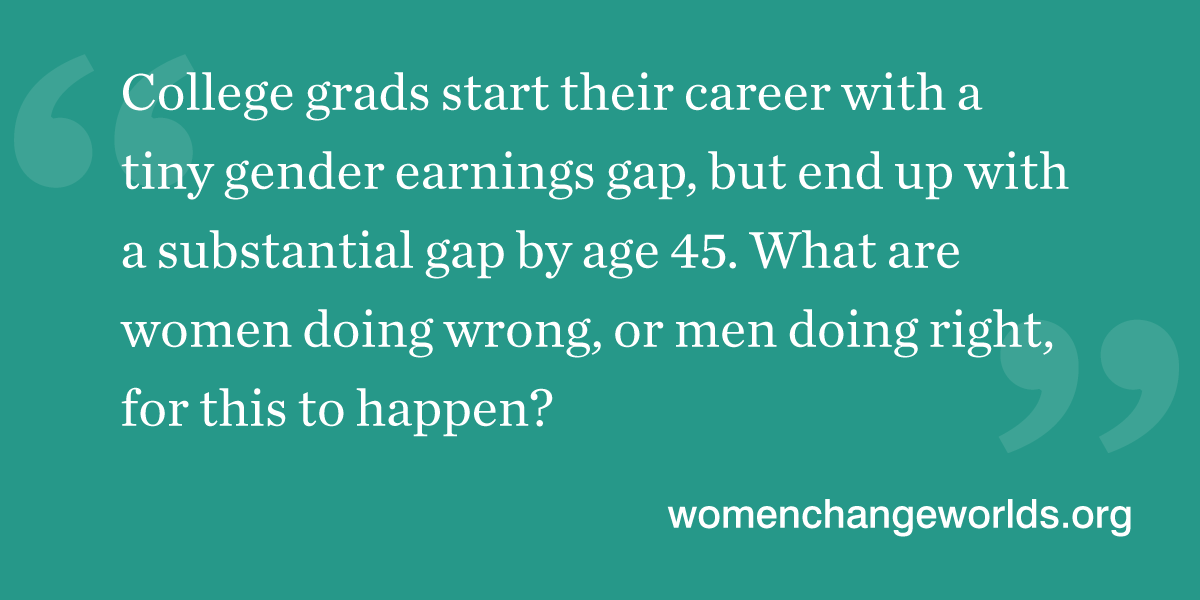 Another expensive “choice” women make is motherhood. Women are more likely to
 In 2019, Melissa Morabito, Ph.D.,
 This week, Canada launched the
 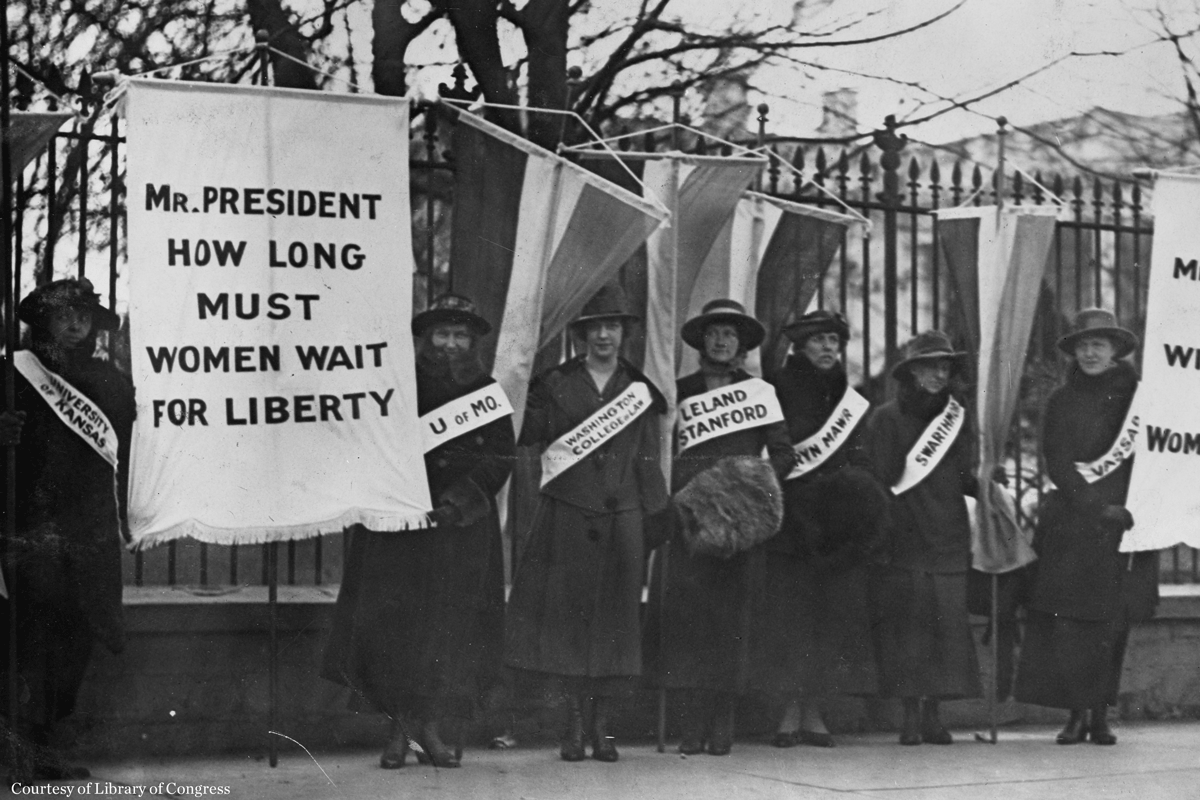 The long march towards progress is often one that extends across generations. The U.S.
 All day I wondered how the class had responded to the film. I was worried, but the description of the discussion surpassed my expectations. I called the teacher to thank her. She said that they had been working on stereotypes and biases for several weeks but it wasn’t until kids who were classmates talked about their own experience that opinions and attitudes shifted. This was before standardized testing and she was a brilliant teacher who made time for this important discussion. I know there are many brilliant teachers who could create spaces for tolerance in their classrooms if given some tools and language to guide them.
 The Commission also stated that the post-2015 development agenda must include gender-specific targets across other development goals, strategies, and objectives -- especially those related to education, health, economic justice, and the environment. It also called on governments to address the discriminatory social norms and practices that foster gender inequality, including early and forced marriage and other forms of violence against women and girls, and to strengthen accountability mechanisms for women's human rights.
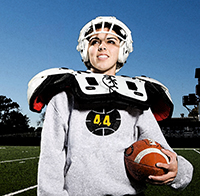
 Championship, was confused when he arrived on campus. His

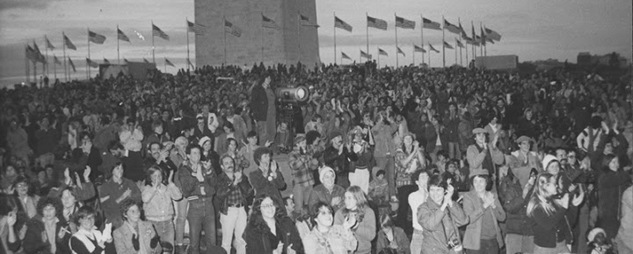
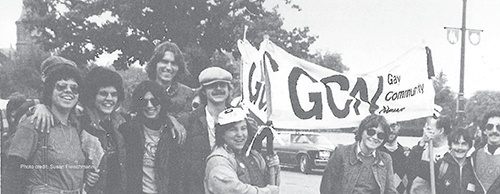 Thirty-six years later, the social status of LGBT people has changed enormously. Few LGBT people in Montana, say, would worry that a march in Washington, DC, would cause them to be set upon by an angry mob. In liberal Massachusetts, my employer, my neighbors, and my doctor all know I’m a lesbian. I’ve been married to my partner of 27 years since 2003—and my entire family came to our wedding. Since the Supreme Court’s Obergefell decision in June, my marriage is recognized by the federal government as well as that of my state. I can watch many television shows and movies in which LGBT characters make it through the entire plot without killing themselves. I can kiss my wife goodbye on the front steps when I leave for work in the morning without worrying (too much) that we’ll be beaten or shot.
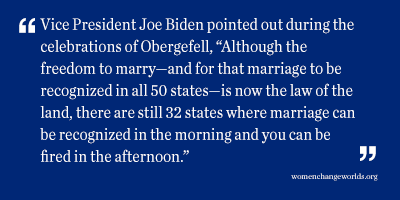 Still, as

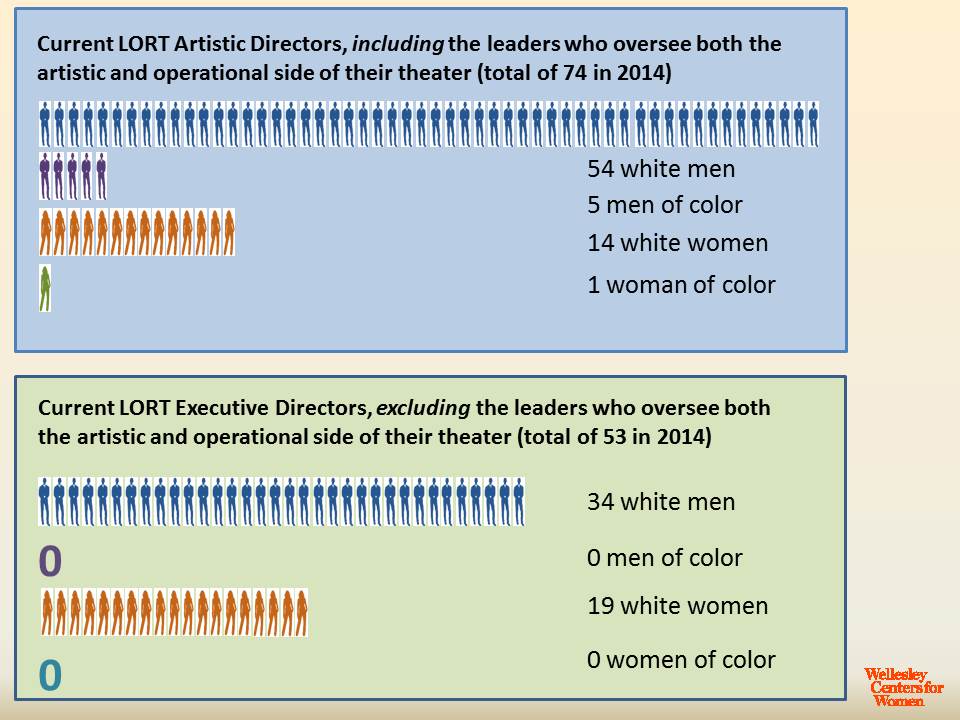
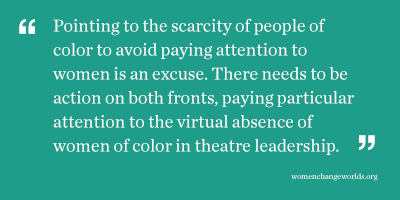 A word of caution: To conclude that the main problem is a pipeline issue and over time more women and people of color will become viable candidates is an incomplete diagnosis of the problem, and an excuse. It dismisses the large numbers of producers and directors who are well prepared and eager to take on artistic director positions. In addition to the pipeline, there is just as profound a glass ceiling that can be broken with a change in mindset among those who make hiring decisions. Here are some action points for hiring committees about selecting ADs:
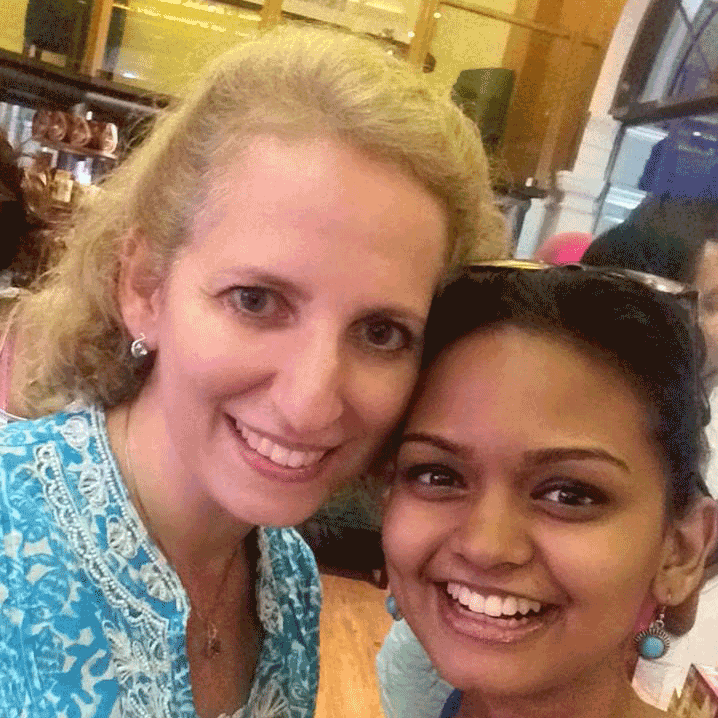 Mentorship was the reason I came to Wellesley College, all the way across the globe from Sri Lanka. Back in 2013 on the day of the United Nations’
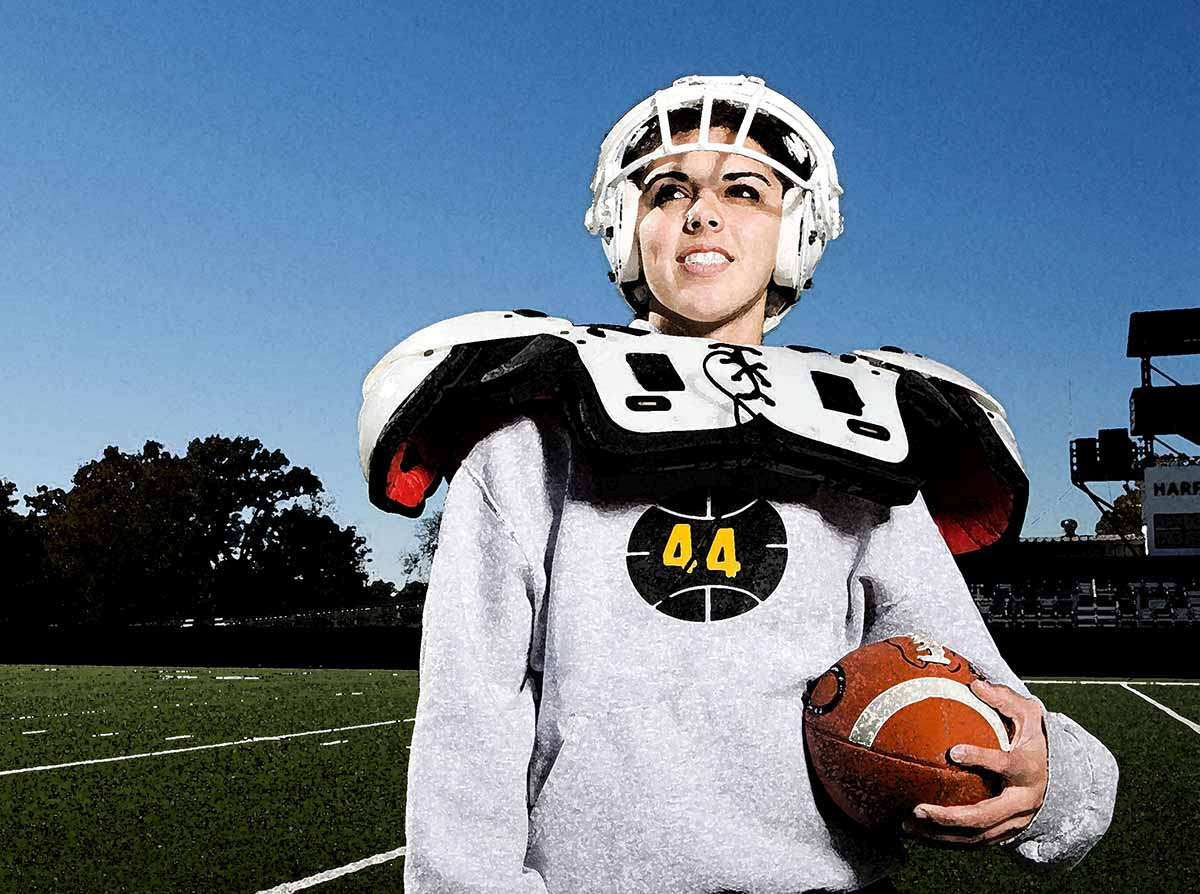
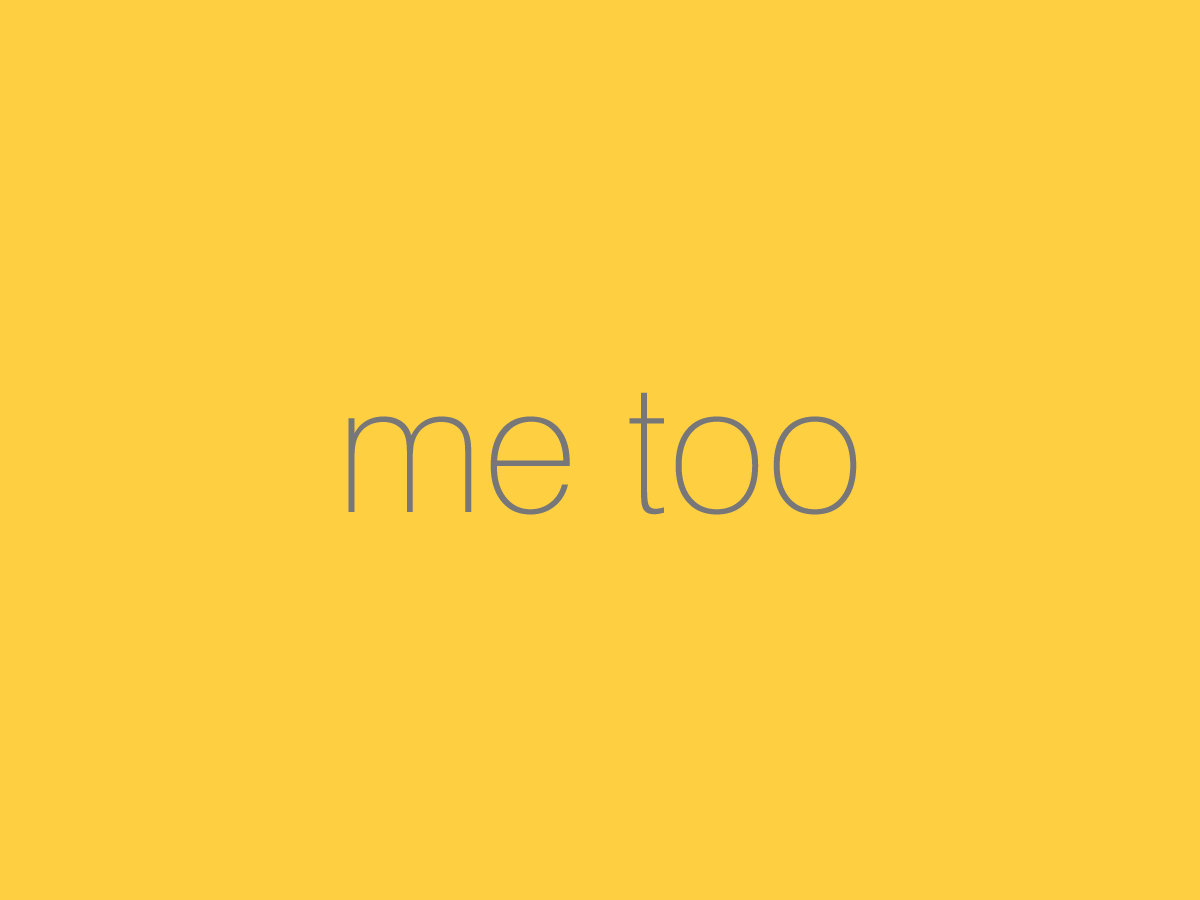 I applaud the strength and solidarity of the women (and men, too) who are asserting with the hashtag
  We must remember it is not only Hollywood producers who sexually assault and not only young actors who are the victims. The rapists and perpetrators of sexual assault include:
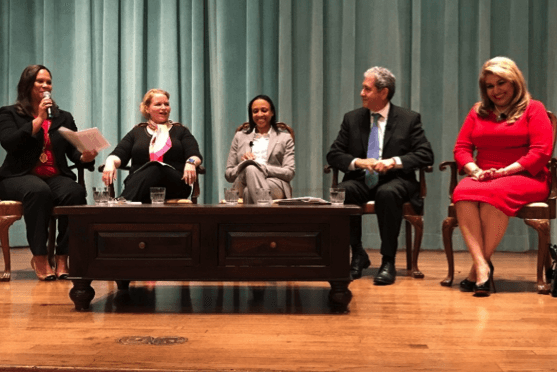 As we enter 2018 with eager anticipation, it is a natural part of the transition into the new year to establish personal and career resolutions. Many business leaders consider ways to refresh the strategy for their organizations seeking to answer questions such as “How can my team help our organization achieve its goals with a greater impact?”
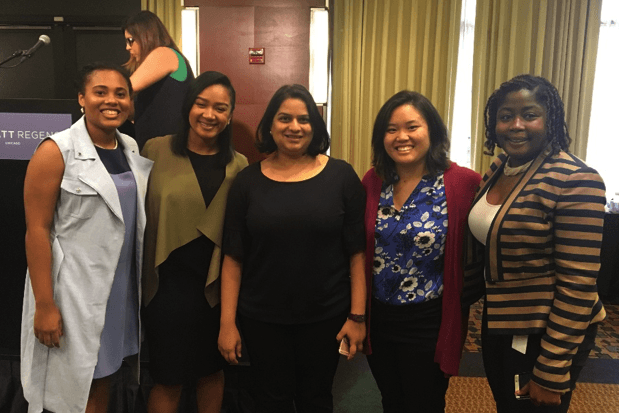 Finally, Capgemini enhanced our Women’s Leadership Development Program (WLDP) to ensure a positive impact on the development of our women leaders. As a three-month program designed to provide training, mentoring, career objective-setting, and coaching for women in North America, WLDP is a signature program of the company’s talent development initiatives.
