



 Sage Carson was raped by a graduate student in her sophomore year of college. In an article for VICE in 2018, she recounts the grave trauma she endured as a result. Unable to transfer schools and experiencing a steady decline in her GPA, Carson was on the verge of dropping out. Who played the biggest role in helping her graduate? Her Title IX coordinator, who connected her with free counseling, helped her get extensions on her school work and issued a no-contact order between her and her rapist.
The rights of students laid out by the Title IX Education Amendments Act of 1972 remain a contentious topic in American higher education, as one in four women and one in 16 men experience sexual assault during their college career. In 2017, Secretary of Education Betsy DeVos first announced her intention to overhaul the guidance on Title IX policies issued by President Barack Obama, which she described as "skewed against the accused." After reviewing the whopping 124,000 comments on the proposed Title IX guidelines posted in late 2018, the Department of Education released its new guidelines and policies on May 6, 2020.
The content of the regulations themselves is controversial, but no matter how the rules have changed, the individuals responsible for ensuring compliance with Title IX — Title IX coordinators — still strive to do their challenging jobs. Title IX coordinators are responsible for implementing rules that prohibit gender-based discrimination and harassment, and they coordinate the investigation of all Title IX matters, including sexual assaults. Depending on the college or university, they may conduct the investigation themselves or rely on others within their institution or outside it.
Following a wave of student-led activism in the early 2010s and Title IX guidelines newly issued by the Office of Civil Rights in 2011 and 2014, many campuses reviewed and modified their procedures for responding to complaints of sexual assault of college students. But to this day, Title IX coordinators work to end sexual assault on campus while grappling with the sometimes conflicting goals of institutional efficiency and legal compliance. It is argued by some that unnecessary bureaucratic procedures may interfere with the ability of Title IX coordinators to achieve justice that is both fair and prompt. Moreover, some Title IX coordinators are hampered by efforts to protect their college or university from negative publicity.
Recent reports indicate that two-thirds of Title IX coordinators have held their positions for less than three years — many for less than one year. The research I have worked on with Senior Research Scientist Linda Williams, Ph.D., at the Wellesley Centers for Women supports this assessment of the high turnover of Title IX coordinators and, more importantly, that many of them are not getting the support they need. Programs designed to prevent sexual assault have been significantly underfunded across the country, and we found in the course of our research that Title IX coordinators view support from institutional leadership as critical to their success. Such support includes resources, the visibility of the office, and an approach that legitimizes the importance of Title IX activities (reporting, investigation, and adjudication, as well as prevention) as part of an institutional commitment to respond to campus sexual assault.
For many, serving as a Title IX coordinator provides a great deal of satisfaction. They see the work of educating students about sexual assault as meaningful and essential. But implementation of Title IX requirements is a heavy burden, particularly if Title IX coordinators are not sufficiently supported by their institutions. Without that support, ending sexual assault on college campuses — in the midst of a pandemic, and with new regulations to follow — is an extremely difficult goal to achieve.
As institutions work to implement these new guidelines, equipping their Title IX coordinators with more resources is in the best interest of the safety of all campus communities. Now is the time when strong support by institutional leaders is critical to guarantee that no one is excluded from education because of sexual harassment or sexual assault, and that the ultimate goal of ending sexual assault on campus is achieved.
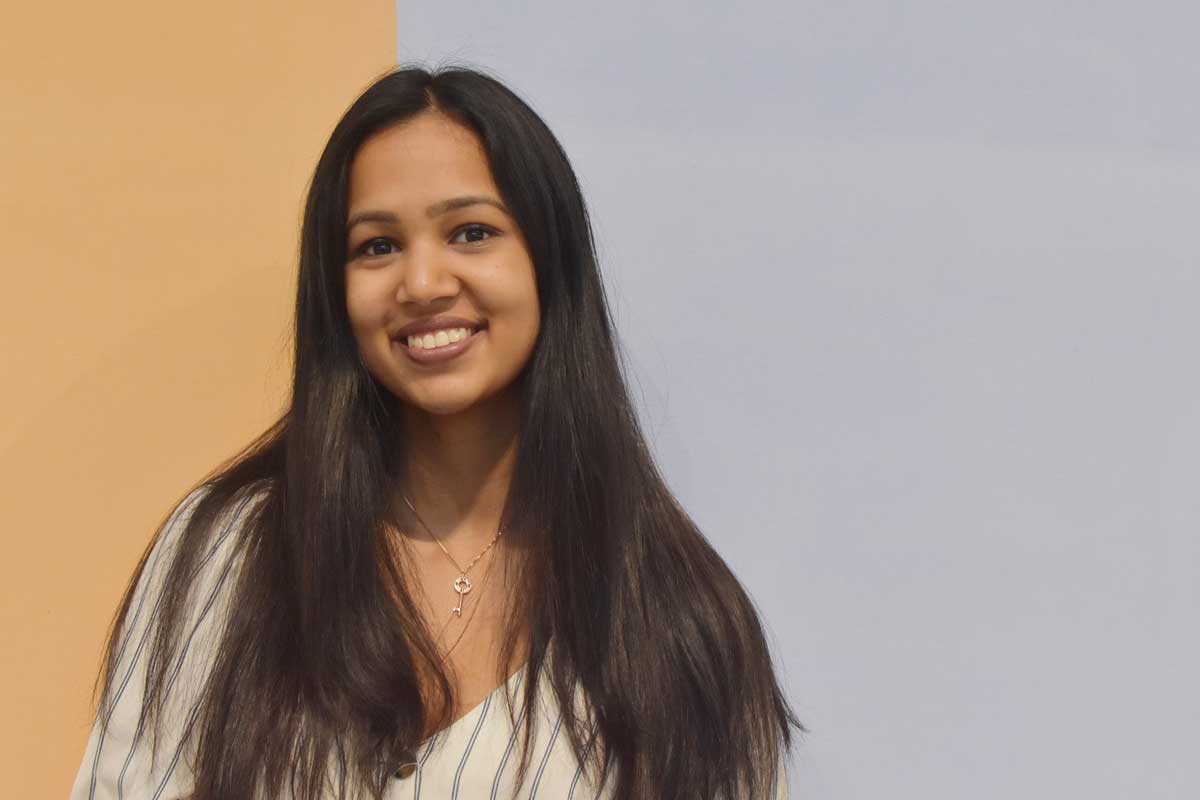
Dhanya Nageswaran is a member of the Wellesley College class of 2021 who is double majoring in Economics and Political Science. At the Wellesley Centers for Women, she was awarded the Linda Coyne Lloyd Student Research Internship for the 2019-2020 academic year, which supported her work with Dr. Linda Williams on the investigation and adjudication of sexual assault on college campuses.
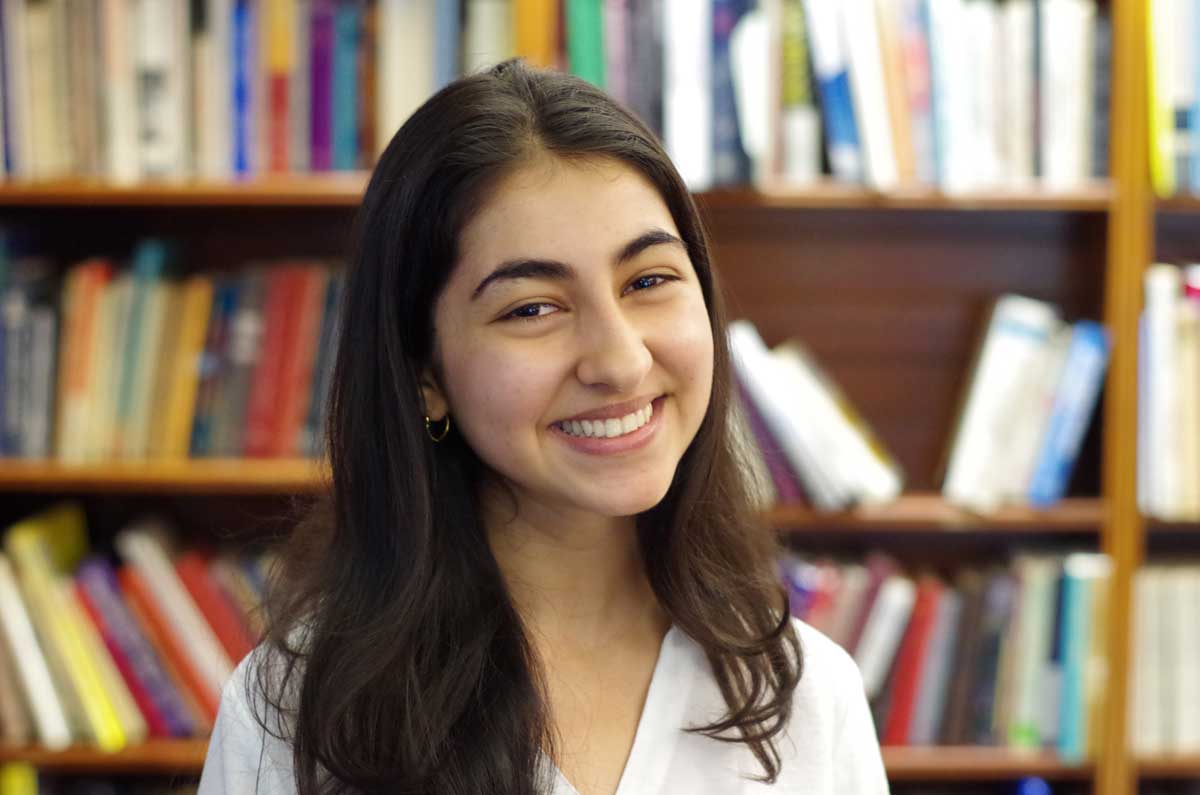 I never knew that I would have the opportunity to do social science research as an undergraduate until I got to Wellesley College. Towards the end of my first year, with my academic interests starting to gravitate toward Sociology and South Asia Studies, I knew I wanted to connect the concepts I was learning in the classroom to action-oriented research that produced tangible results for communities that I cared about. Through the helpful guidance of my peers, professors, and mentors, I discovered that I could get that opportunity by working at the Wellesley Centers for Women.
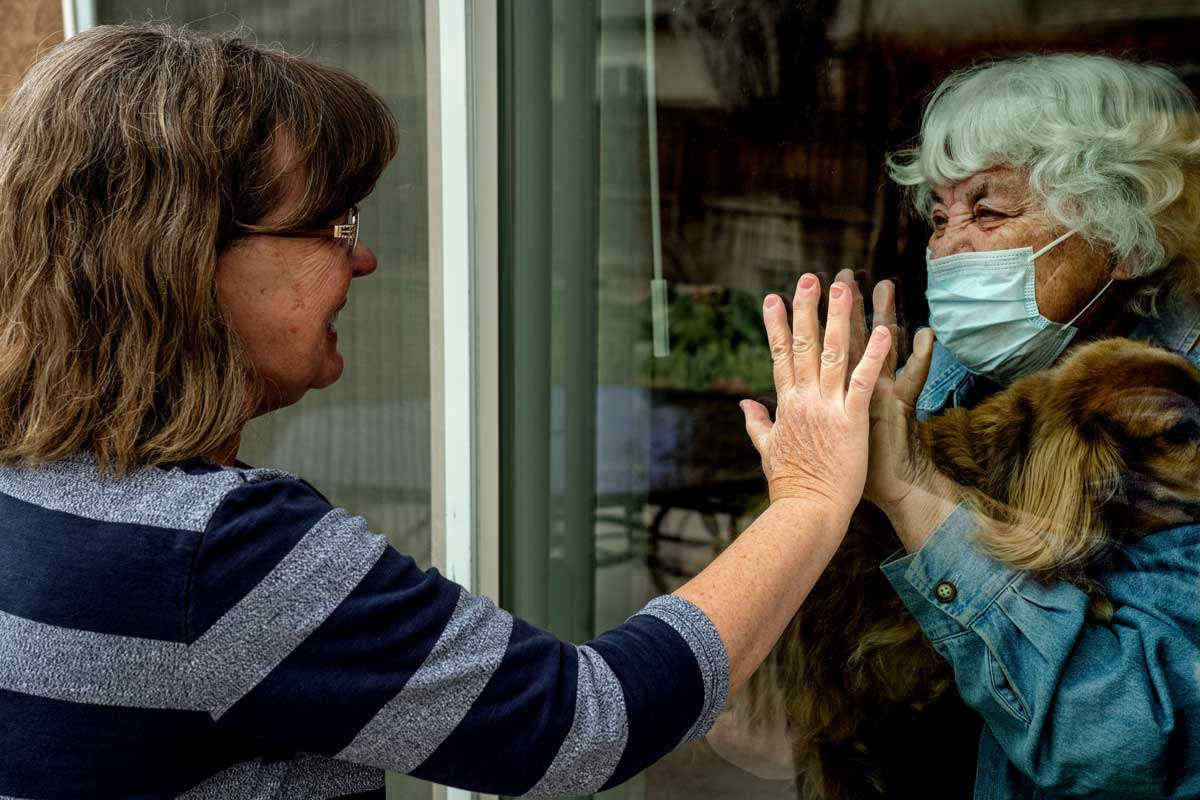 The challenges of isolation and loneliness have become apparent over the past several months of social distancing. Not only are we physically separated from our friends and extended families, but we’re concerned about their health and wellbeing as well as our own. We may be juggling childcare, homeschooling, and our own work. Or we may be wondering how we’ll support ourselves through this. We may know those who are sick, or who are high-risk, or who are essential workers putting themselves at risk for our sake. We may have lost people close to us. And we may feel powerless to do anything.
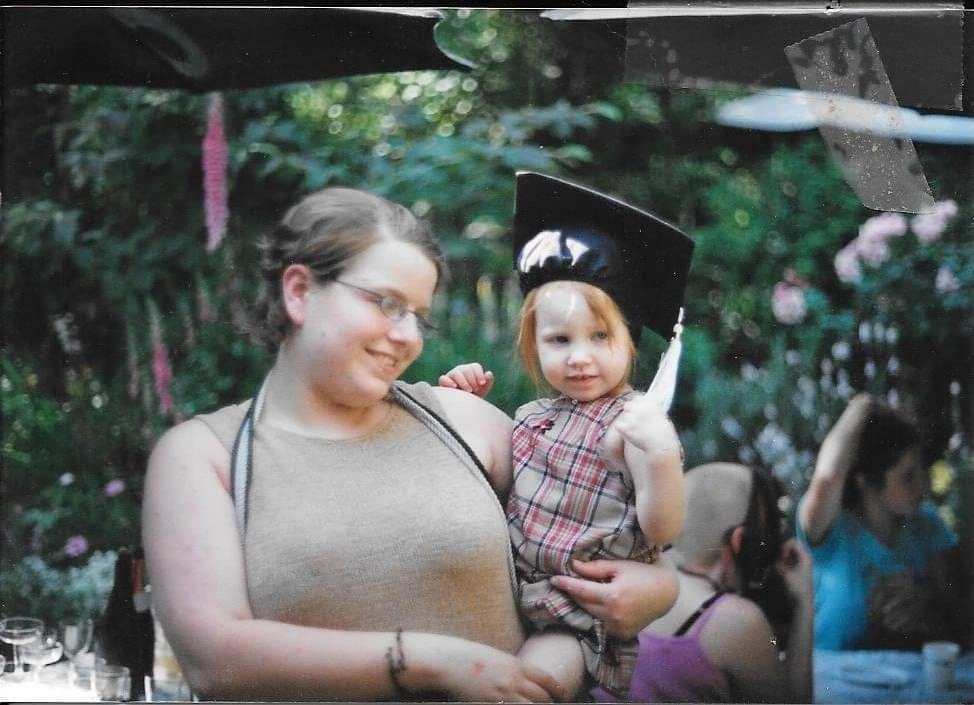 Last year on Mother's Day, I was driving through the Rocky Mountains, on my way from Oregon to Maine where my life was about to change forever. It was the first Mother's Day I had spent without my kids since they were born, and the first Mother's Day since my own mother had passed away. I yearned to call her to share the news of my latest adventure, as I always had during our frequent long-distance phone chats, but I knew I couldn’t. The following week, my daughter would bring my granddaughter into the world on the southern coast of Maine. The transcontinental journey I was on would end with the newest love of my life joining our family.
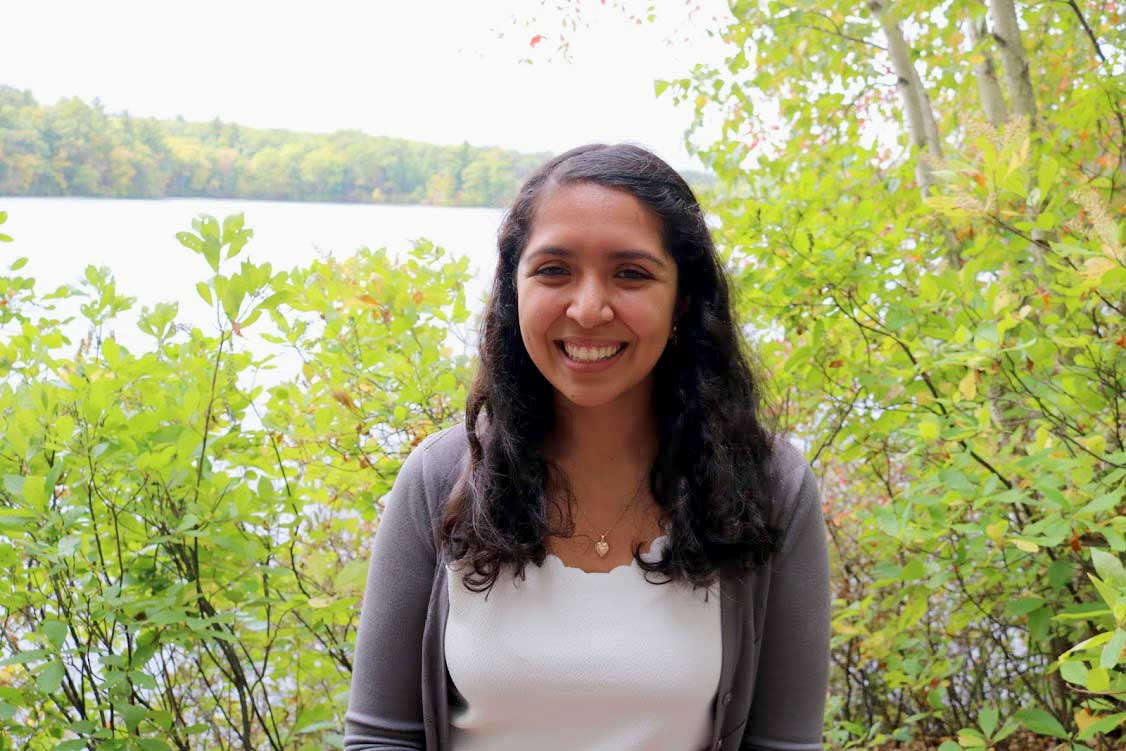 It is the spring of 2020, and my senior year at Wellesley College is not at all what I imagined it would be like. Before concerns about COVID-19 led
 This
This 
 This
This 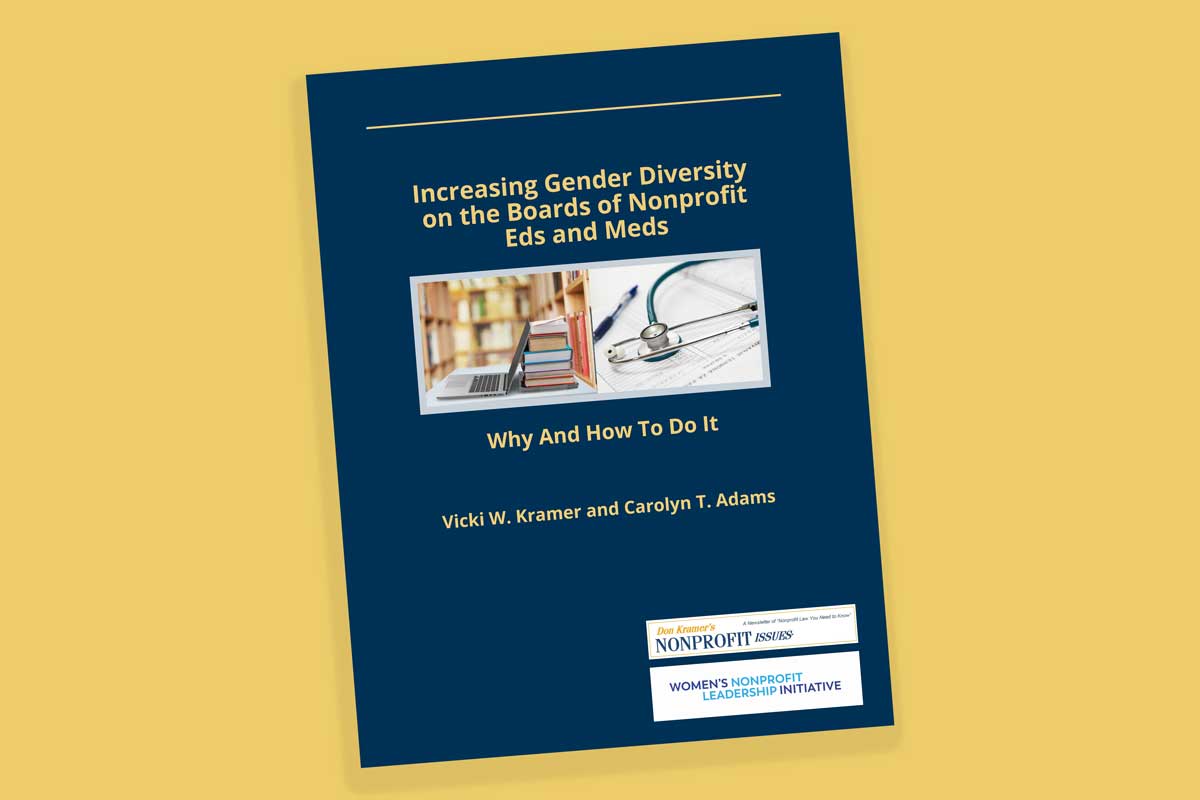 Hospitals and universities are facing challenges that many have never seen before as they respond to COVID-19. Universities are
 A woman graduates from college and starts her first job, earning about the same as the male colleague who sits next to her. She gets promoted a few times, her salary increases, and in her late 20s, she gets married. Her husband gets a job offer in a new city, they move, and she takes a slightly lower-paying job. In her early 30s, she has a baby, and then another baby in her mid-30s. She decides to cut back her hours (and thus her pay) in order to spend more time with her children.
 During this unprecedented time, our work at the Wellesley Centers for Women towards gender equality, social justice, and human wellbeing has taken on new meaning. As a society, we have become newly aware of just how fragile and precious human wellbeing is. And as an organization, we have been reminded of how deeply we care about the physical and mental wellbeing of our community — our research scientists, project directors, administrative staff, and supporters like you — as well as the larger global community to which we all belong.
 In 2019, Melissa Morabito, Ph.D.,

 If conventional wisdom is to be believed, women are notoriously good at getting along. Cultural pundits, from scholarly theorists to political wags, suggest that
 A recent
  A recent family conversation reminded me of my (long-ago!) elementary school experience of learning who my teacher would be in the coming school year. I remember the sense of anticipation – who will be my teacher?.
 Yesterday on route to work my phone exploded with messages from friends and colleagues urging me to, "Turn on NPR right now,” to hear their
  Video games are on my mind these days. Especially violent ones, like Call of Duty or Grand Theft Auto. But special recognition goes to
 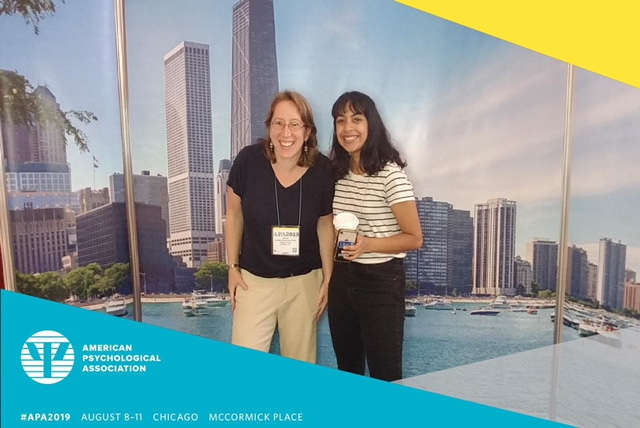 My name is Anmol Nagar and I’m a junior at Wellesley College, originally from the California Bay Area. Over the past year I’ve done research at the Wellesley Centers for Women with
 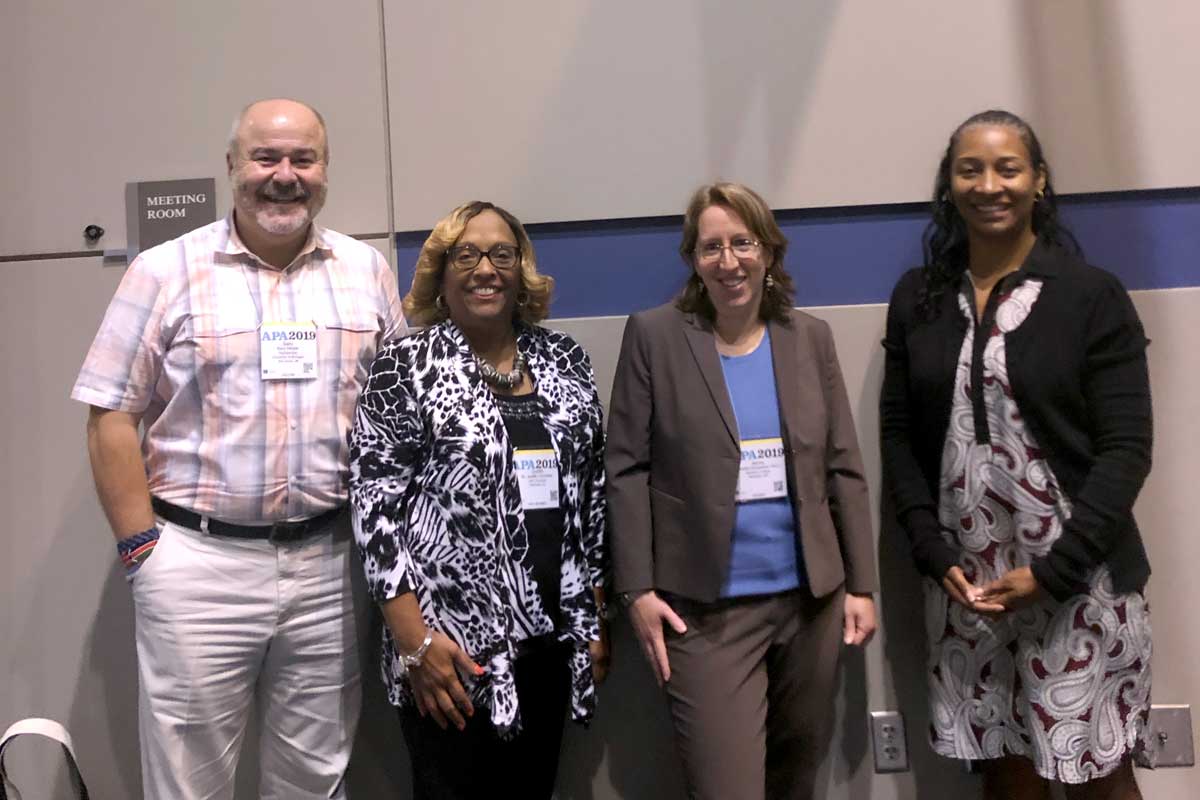 At the end of the presentation, Dr.
 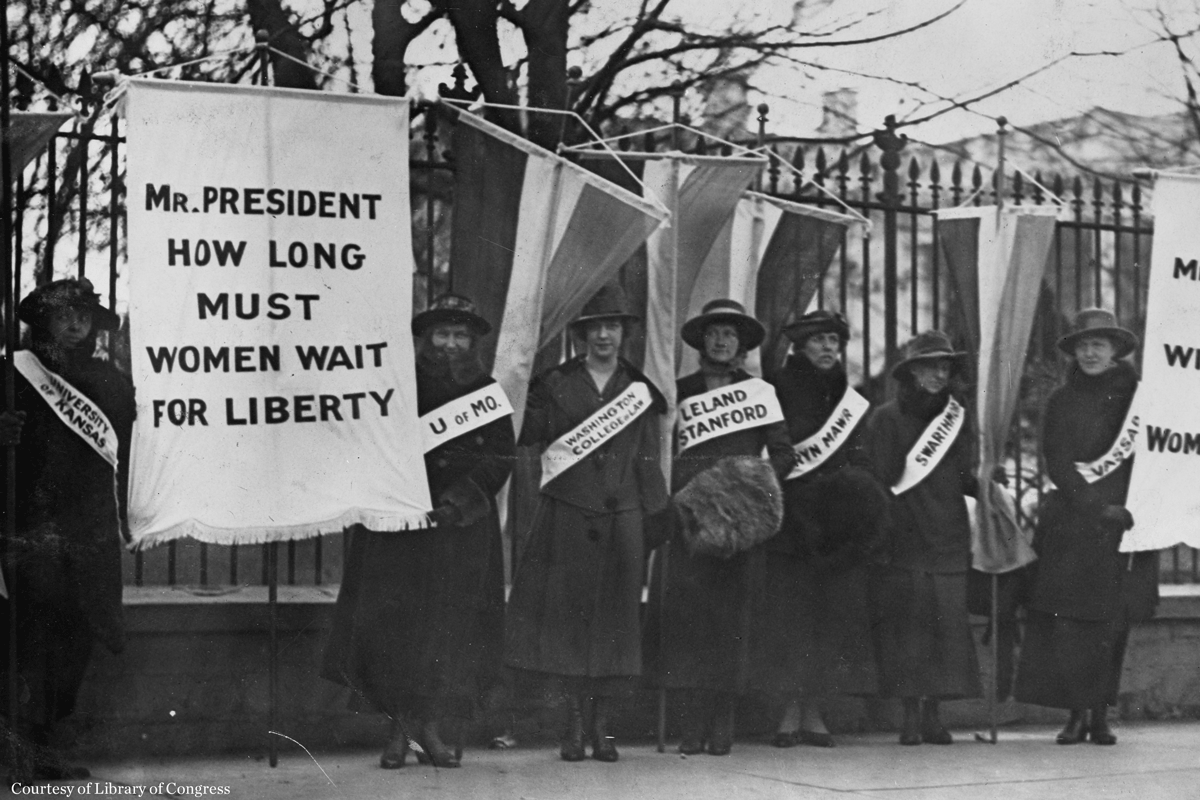 The long march towards progress is often one that extends across generations. The U.S.
  This week, Canada launched the
 The teen sitting across from me avoided making eye contact as he responded to my questions. He provided thoughtful answers in a soft voice as he looked down at the rubber band in his hands, stretching and turning it repeatedly. Clearly this young man was struggling with symptoms of depression such that he was disengaged from his friends, skipping track practices, missing homework assignments, sleeping too much. Yet when I asked him if I could share his symptoms with his guidance counselor so that he could get some support in school, he quickly replied, “No,” saying that he didn’t want anyone at school to know. “I’m only telling you about this, “ he insisted, “because I’ll never see you again.”
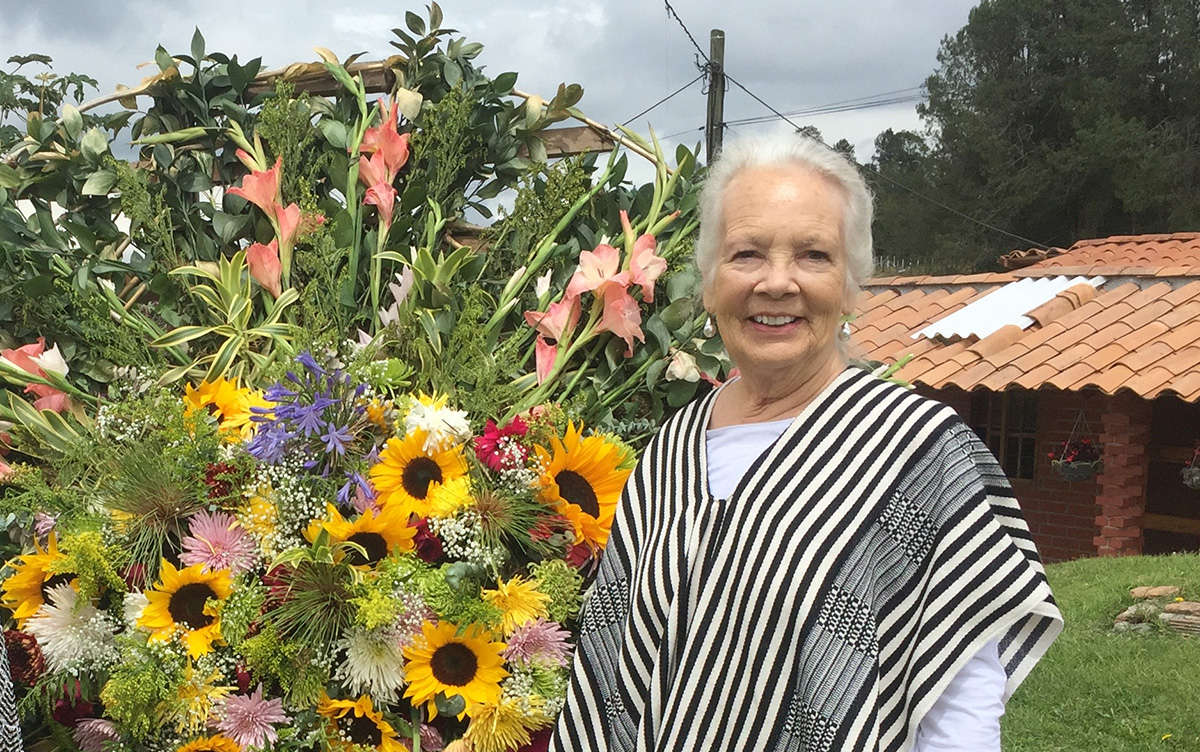 Close to half a century has passed since I lived in
  But as much as I believed in my work and as much as I loved Colombia—the food, the people, the mountains, majestic and ever changing as clouds and sun played hide and seek—I realized Amy’s physical and developmental challenges required medical care and educational programs unavailable in Colombia. Amy and I left. I was unsure if I would ever return.
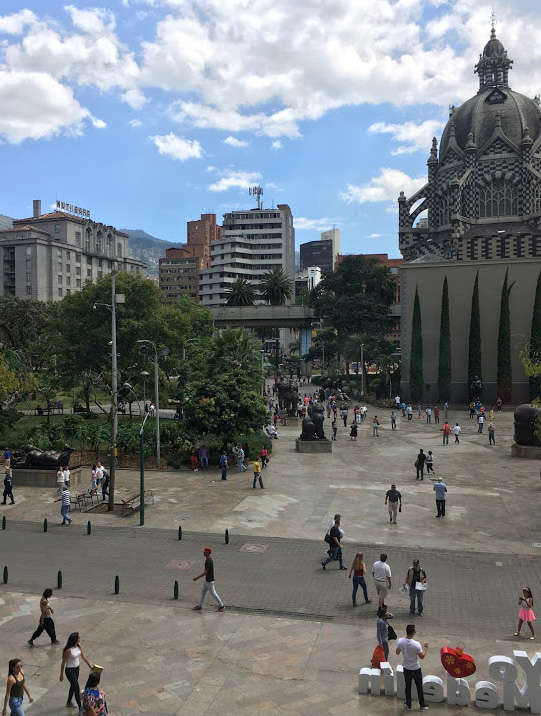 ote for me. One of the bits of information our guide mentioned as we passed a large public school was that schools were now required to teach sex education to students starting in the early grades. Recalling the opposition our sex education project had encountered years before, I asked if the requirement was enforced or merely a regulation on the books. He smiled. “Well, Senora, I can’t speak for the entire country, but certainly in the big cities and towns it is a regular part of the educational program. The law was passed in 1994.”
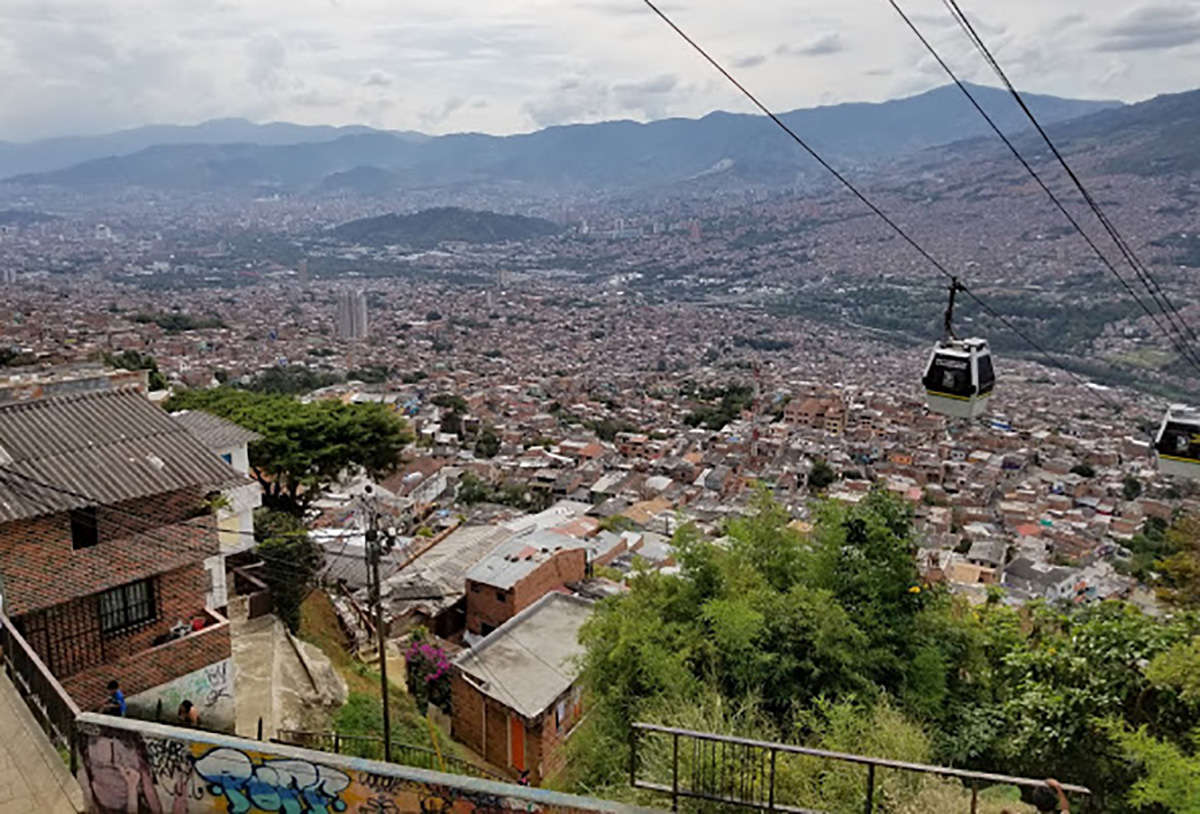 A spectacular
 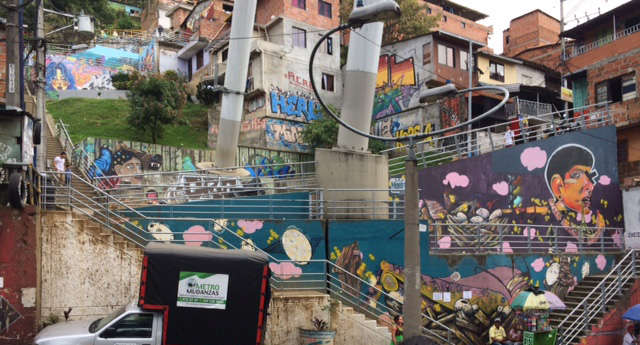 all interested in medicine,” we asked. “No, I’m going to study psychology,” another replied.
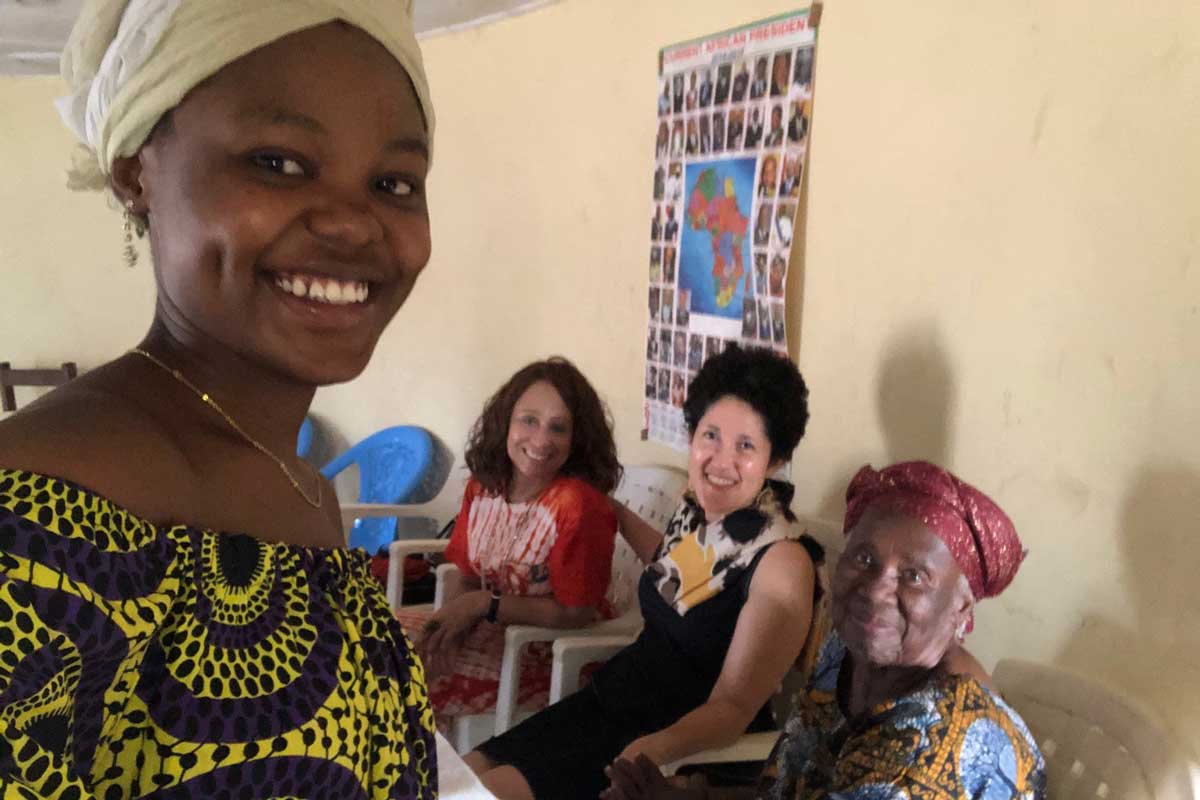 Recently I returned from Liberia, which USA Today just rated as
 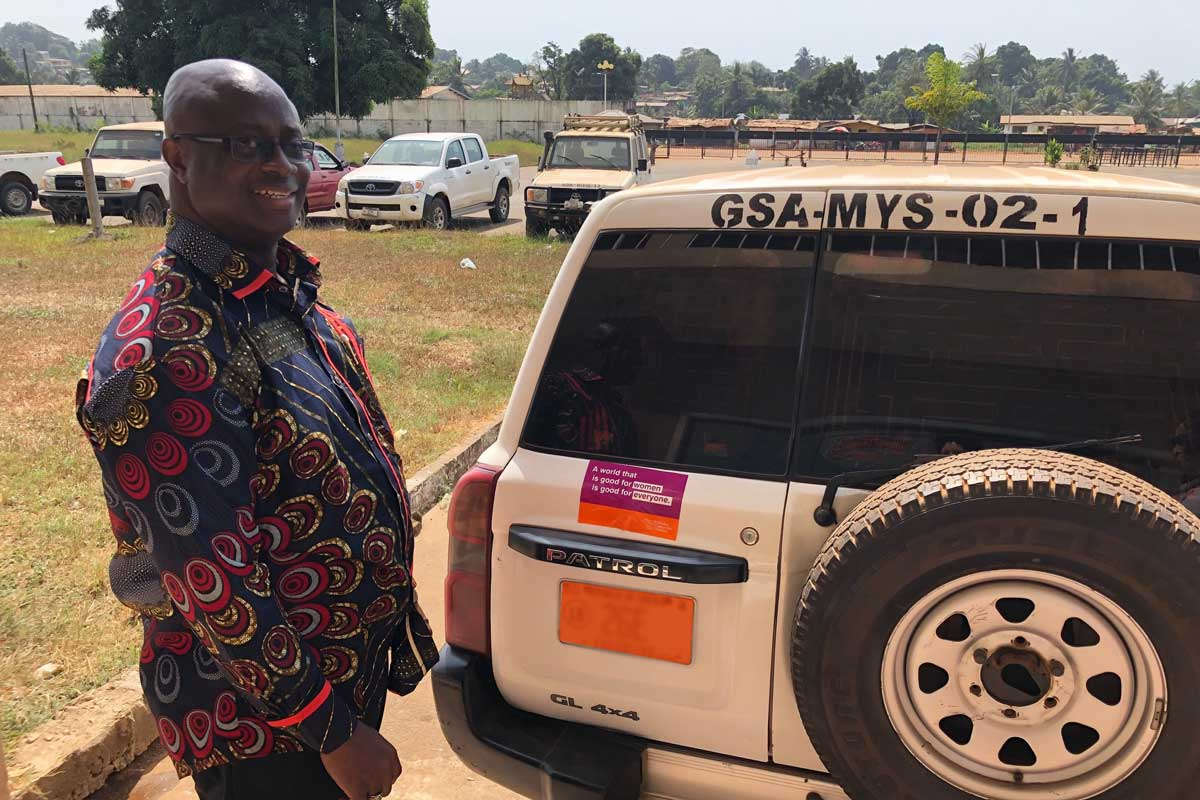 Another view—one that I would like to align with the research and action of the Wellesley Centers for Women—is one that sees (and contributes to) hope, promise, and enthusiasm in and with regard to African youth and their prospects. An approach that asks African youth for their own perspectives and aspirations, one that embraces African youth and their insights and talents, and one that takes the historical, political, economic, structural, and systemic context of African youths’ lives into consideration—and, at times, challenges those—is the one I would like not only to endorse, but to operationalize. It is an approach that sees the wealth in people, not just one that sees the poverty created by their circumstances. It is also an approach that cultivates African youth leadership.
 Why Racialized Exclusion Hurts and How We Can Remain Resilient
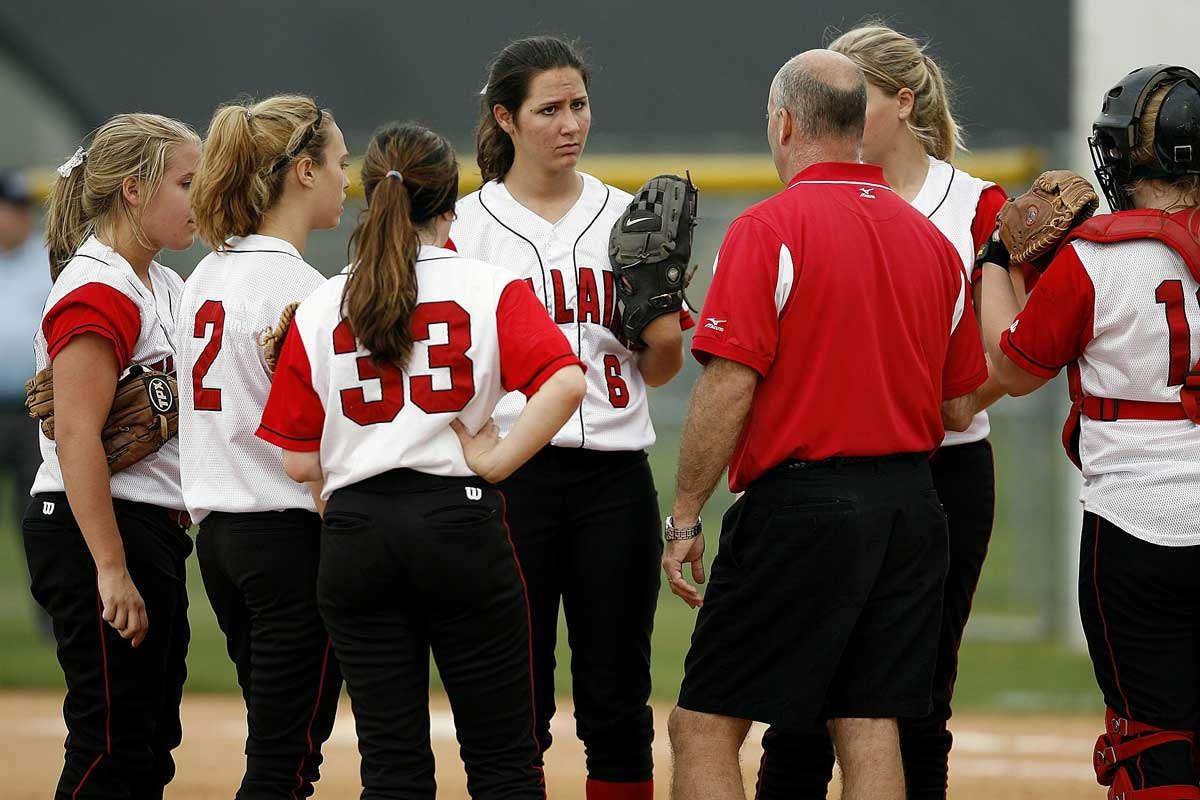 No one looks for a job in a newspaper’s “Help Wanted” section anymore. But some 50 years after the federal Equal Employment Opportunity Commissions in 1968 said that listing jobs under “male” and “female” headings was illegal, the psychological divide lingers – in sports.
 , Ph.D., is the Katherine Stone Kaufmann ’67 Executive Director of the
  Today, it is almost impossible not to talk about immigration and what that represents to every single individual in our nation. As an immigrant transgender woman who was granted
  In January 2018, President Trump famously raised his concerns regarding the “lack of Norwegians” and the excess of immigrants from low-income countries entering the United States – and
 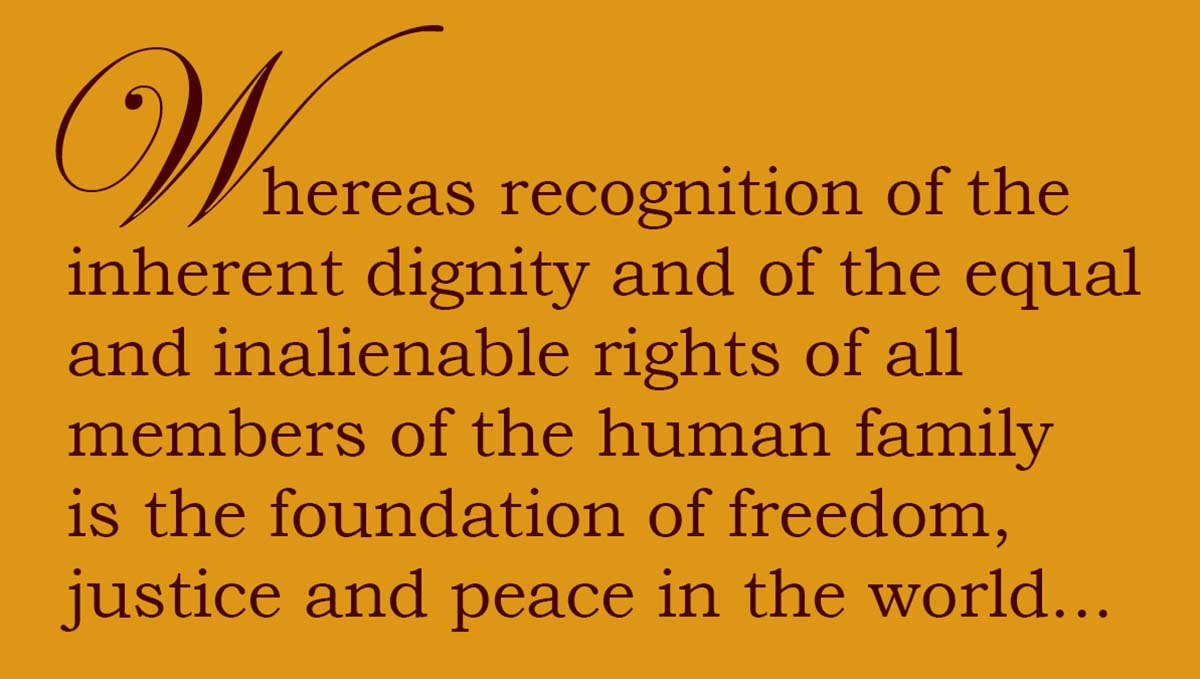 Thich Nhat Hanh, the Vietnamese Buddhist monk nominated for the Nobel Peace Prize by Martin Luther King, Jr., in 1967, famously characterized the human mind as a storehouse filled with two kinds of seeds: good and bad. Humans have the capacity to be both good and evil, he pointed out, and it’s the seeds we water that ultimately grow. Think about that. When we look around the world today, we see a lot of evil sprouting up all around, and we wonder where it came from. We scratch our heads, we point fingers, and sometimes, in frustration, we join in the fray. Based on Thich Nhat Hanh’s insight, we should really take a closer look at how we are watering the seeds of the very evils we decry and detest – incivility, hate-based conflict and violence, and even basic intolerance.
 About twenty years ago, I received some unbearable news about a dear friend. A highly intelligent, strong, and beautiful woman of African-descent revealed to me that she contracted HIV as a result of having unprotected sex with a man who had the virus. Twenty years ago, I was convinced that the virus was an automatic death sentence for my friend. Thankfully, with advances in medical technology, not only is she still with us but she is healthy and thriving. However, keep in mind that she has the necessary resources that are needed in order to take care of herself, so she can successfully manage her overall health. She is middle class, has a good health insurance plan, has access to the appropriate health care, and has a supportive social network that encourages her to maintain her health.
 Ph.D., is a former post-doctoral intern at the
 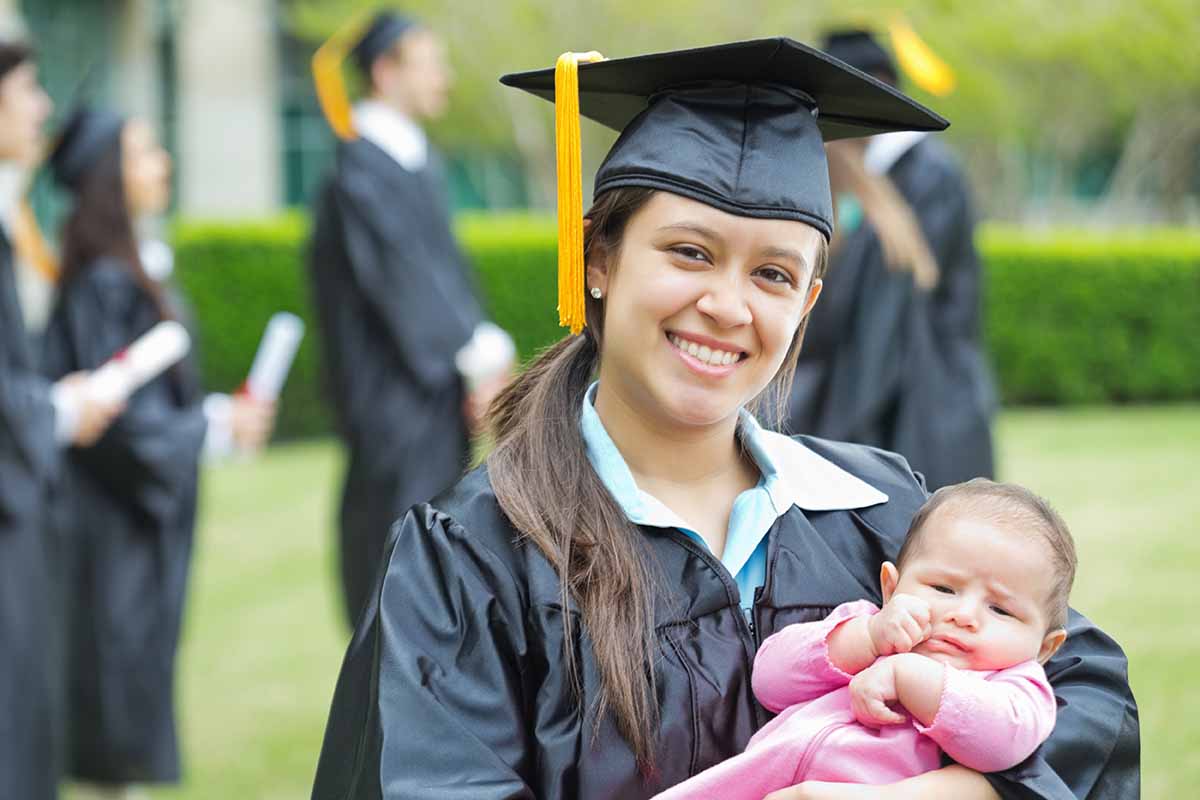 “Someday you will go to college, too,” a young mother tells her eight year old son at her baccalaureate graduation ceremony.

 In the “
 This landscape is familiar, strewn with ash and blood. We’ve been here before, too often, seeking the living, counting our dead. I know the terrain, can pick my way stumbling over the bodies, the stench of fear and hatred lingering in the air; the thoughts and prayers; the headlines and statistics.
 At the Wellesley Centers for Women, we envision a world of justice, peace, and wellbeing for women and girls, children and youth, families and communities, in all their diversity around the world. Like so many, our will and spirits have been tested by recent events, but our resolve has been strengthened. The fatal shooting of two African Americans in a Jeffersontown, Kentucky, grocery store; the more than a dozen pipe bombs sent to CNN and prominent progressive political leaders and supporters across the country; and the mass shooting of eleven worshippers at the Tree of Life Synagogue in Pittsburgh, Pennsylvania, are evidence that we need to stand strong and work together—to provide comfort, hope, knowledge, and power — to help shape a better world. We at WCW stand with those whose lives are forever changed. Only when social equity and equality, psychological wellbeing, peace, and freedom from violence and want evince for all people will our work have reached its true aim.
 Nan Stein
 This week, the
 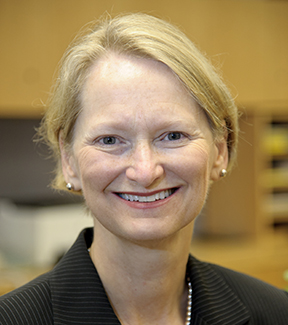 Emily Style’s beautiful phrase “curriculum as window and mirror” has had an enormous impact on my work as a teacher and teacher educator over the last 30 years. Other proponents of multicultural education have, over those years, deployed many more words to assert what curriculum ought to be and do. Emily’s lyrical imagery is testament to her skills as both poet and educational theorist. And, generations of teachers are all the better for having taken these words to heart as they consider the choices they make in responding to the students in their classrooms.
 When I first came across
  This article was posted by Amy Banks, M.D., on September 18, 2018 in her Wired for Love blog on Psychology Today.
 About 20 tweens pile into the unassuming studio space of their ballet school in mid-July. There are no frills here. The waiting area is small and a bit disheveled; the cinder block building has seen its share of life. But look closer: there’s magic inside.

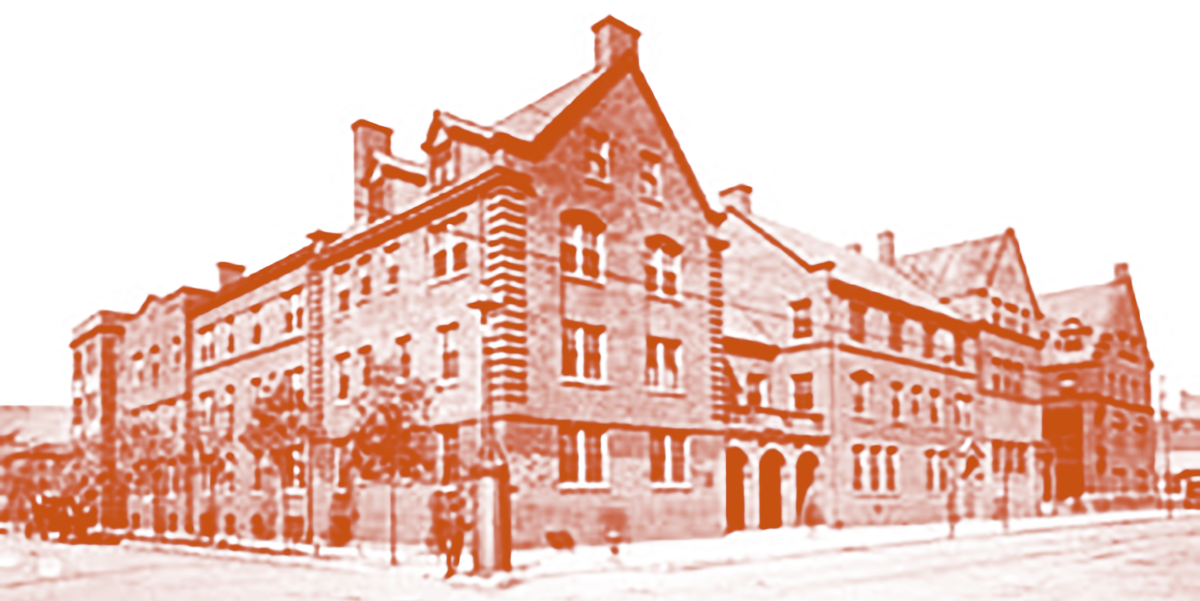 As a country we seem to be moving far away from the nurturing and sustaining activity of the settlement houses of our past. The first settlement house, established in New York City’s Lower East Side – Neighborhood Guild – was founded by Stanton Coit, and just a few years later came Hull House in Chicago, materializing through the passionate vision of Jane Addams. Settlement houses were the cornerstone of communities as they over time took on the task of educating citizens, providing English language classes for immigrants, organizing employment connections, and offering enrichment and recreation opportunities to all in the neighborhood. A most significant beginning to the current child and youth development field, settlement houses provided childcare services for the children of working mothers. The Immigrants’ Protective League, The Juvenile Protective Association, The Institute for Juvenile Research, The Federal Children’s Bureau, along with Child Labor Laws can all trace back to the persistent national
  This article was posted by Amy Banks, M.D., on June 19, 2018 in her Wired for Love blog on Psychology Today.
 We don’t live in an “either/or” world. Most non-sport institutions get this. It’s why Starbucks has unisex bathrooms, why there are forms to change your gender on government documents, why there is even a concept of “preferred pronouns.”
 Indian sprinter
 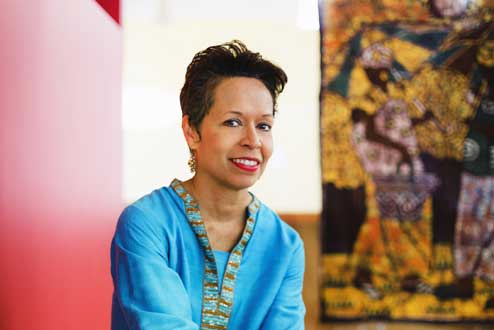 The Wellesley Centers for Women is mourning the death of Deborah Holmes, Chair of the WCW Council of Advisors and a passionate activist committed to the lives of women, people of color, equity, and social justice across the world.
 A few days ago, my eyes fell upon an online post discussing recent
  Even in this 21st Century, we have not yet come to accept that parenting is a shared component of our human condition. Every industry employs parents who are trying to balance their work obligations with their family roles. In fact, even non-parents can be called into a caregiving role, for example when their ageing parents need help. Gone are the days when a two-parent family could live on a single paycheck and when family roles were clearly divided. Therefore all of us, across gender and age, would benefit from a variety of workplace supports that accommodate our multiple roles as modern human beings.
 A message from
  with their own trauma history can be triggered by another traumatic event, even if it did not directly happen to them. In addition to the positive, supportive classroom climate and the social and emotional learning tools that Open Circle provides, some students may need additional time with a school psychologist or guidance counselor to help them manage their fears.
 As I reflected earlier this month on
  But the very fact that we can clearly delineate “black sports” and “white sports” is not an accident but something nurtured and presumed. If sports are more than athletic contests—if they have social, economic, and political value—we must care who gets to play.
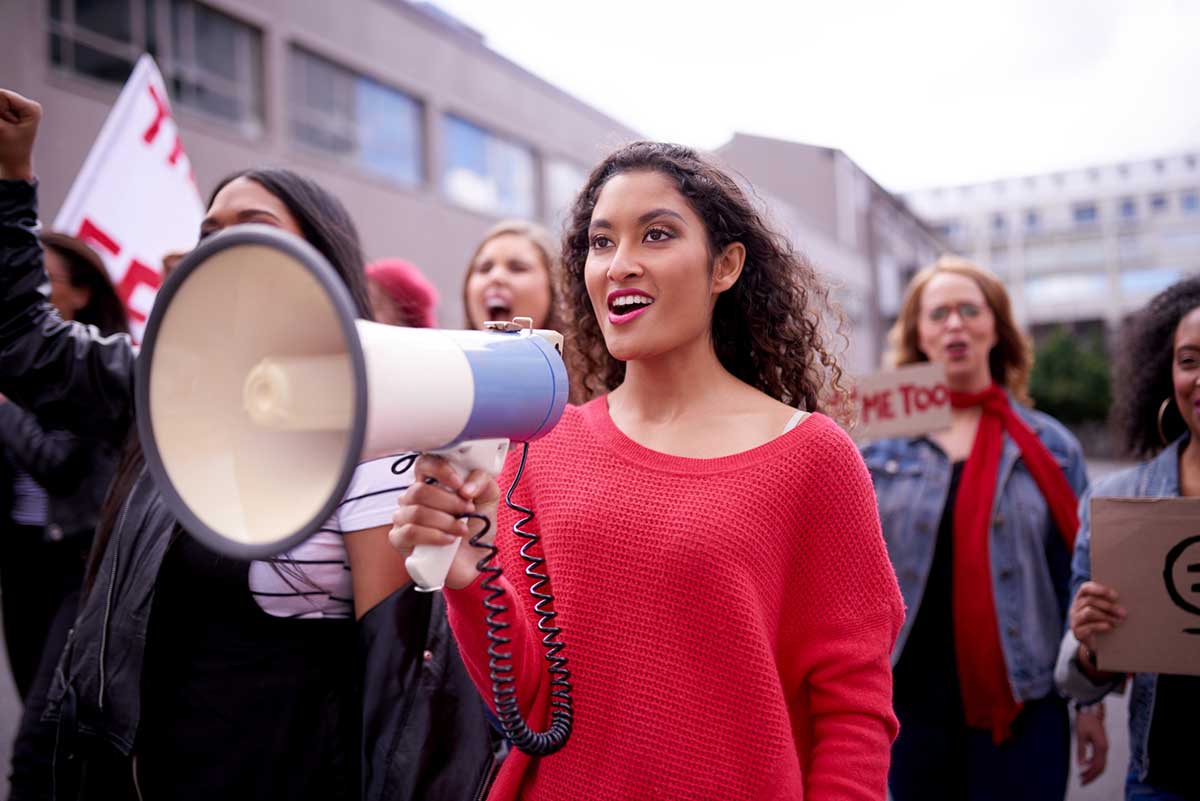
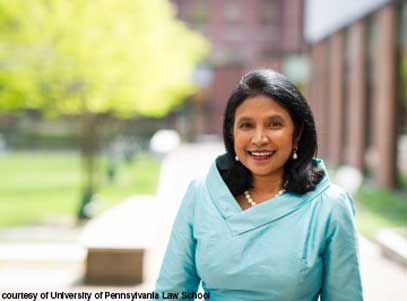 As the 62nd Session of the Commission on the Status of Women (CSW) at the United Nations in New York draws near, women from every corner of the world will convene to deliberate on the theme of CSW 2018: Challenges and Opportunities in achieving gender equality and the empowerment of rural women and girls. This year, the theme of empowerment has added significance. The #MeToo movement has shocked our collective conscience and made it impossible to ignore that empowerment goes far beyond economic agency.
 Several countries, notably Japan, have put forward “win-win” economic policies, but they ignore controversial and difficult social policies such as violence against women. This approach is similar to the nations that peddled the “Asian Values” theory in the 1990s. The better approach is to reveal the interconnectedness of women’s economic participation with equal protection of laws.
