
 Little is known about the effects of social media initiation on digital behaviors from middle childhood to early adolescence, a critical developmental period marked by peer influence and initial access to mobile devices.
In this study, 773 participants from middle schools in the Northeast U.S. completed a cross-sectional survey about social media initiation, digital behaviors, and parental restrictions on digital use. The results demonstrated that overall, early adolescents more frequently engaged in positive digital behaviors compared to negative ones. The results also showed that using Instagram or Snapchat before age 11 was significantly related to more problematic digital behaviors. These problematic behaviors included having online friends or joining social media sites parents would disapprove of, more problematic digital technology behaviors, more unsympathetic online behaviors, and greater likelihood of online harassment and sexual harassment victimization.
Additionally, the youngest social media initiators were more likely to engage in supportive online behaviors. And limiting access to social media lessened some of the negative effects of early social media use.
Research reported in this publication was supported by the Eunice Kennedy Shriver National Institute of Child Health and Human Development of the National Institutes of Health under award number 1R15HD094281-01. The content is solely the responsibility of the authors and does not necessarily represent the official views of the National Institutes of Health. Related pilot funding was provided by Children and Screens: Institute of Digital Media and Child Development.
Family talks about sex can protect against teens’ risky sexual behavior, but most research has focused on the role of mothers.
This study included survey data from 728 adolescents in the 11th and 12th grades in the United States. The researchers assessed associations between teens’ direct and indirect talk—defined as less straightforward ways to communicate one’s sexual values—with fathers about sex, and teens’ sexual behaviors. There were no significant direct associations between father-teen talk about sex and teens’ sexual behavior. However, teen gender moderated associations between indirect father-teen communication and teens’ sexual behavior.
The results suggest the need to assess indirect talk about sex in studies of family sexuality communication and to further investigate the role of teens’ identities in determining the influence of father-teen talk about sex on teens’ sexual behavior.
This research was funded by a grant from the Eunice Kennedy Shriver National Institute of Child Health and Human Development: R21HD104860-01. The content is solely the responsibility of the authors and does not necessarily represent the official views of the National Institutes of Health.
 This article examines how sexual minority middle schoolers use social media, who they are connected to and for what purposes, and the associations between these behaviors and mental wellbeing, compared to their heterosexual peers.
Dr. Charmaraman, Hodes, and Richer surveyed 1,033 early adolescents aged 10-16 from four middle schools in the Northeast U.S., comparing the responses of sexual minorities (24.3% of the sample with known sexual orientation) to their heterosexual peers.
The researchers found that sexual minorities reported having smaller networks on their favorite social media site, and less often responded positively when friends shared good news or tried to make friends feel better when they shared bad news. However, unlike heterosexual youth, sexual minorities more often reported joining a group or online community to make themselves feel less alone. They had higher averages of loneliness and social isolation than heterosexual students, and were also twice as likely to have tried to harm themselves in the past and more likely to have symptoms of depression. About 39.1% of sexual minorities had no one to talk to about their sexual orientation. They were 1.5 times more likely to have joined a social media site their parents would disapprove of and they were more likely to report seeing online videos related to self-harm.
Given previous reports of supportive and safe online spaces for sexual minority youth, these findings demonstrate that these youth prefer to maintain small, close-knit online communities (apart from their families) to express themselves, particularly when reaching out to online communities to reduce loneliness.
Findings from this study have been featured in ABC News, The Conversation, Academic Minute, Actively Learn, Let's Go There podcast, and the Women Change Worlds blog.
This study was supported by the Eunice Kennedy Shriver National Institute of Child Health and Human Development: R15HD094281-01. The content is solely the responsibility of the authors and does not necessarily represent the official views of the National Institutes of Health. Support was also provided by the Wellesley Centers for Women Class of 1967 Internship Program and by Children and Screens: Institute of Digital Media and Child Development, which provided pilot seed funds before the National Institutes of Health award.
 Sexual assault case attrition research has been consistent in documenting that sexual assault complaints fall out of the system at disturbing rates.
In this article, the researchers describe a pathway to attrition where managerial concerns incentivize case processing outcomes that remove cases early in the system and create a decision-making context where adherence to rape myths provides rationalizations for closing cases.
Using data on sexual assault incidents reported to the police, the researchers present a quantitative analysis that investigates such a pathway to attrition, and that considers how police and prosecutors work together at the pre-arrest stage and the extent to which this practice facilitates the use of exceptional clearance police classification to close sexual assault investigations.
 The main objective of this study was to investigate the impact of the COVID-19 pandemic on depressive symptoms among adolescents, and to examine the relationship between COVID-19-related distress and vulnerability/protective factors in accounting for change in depressive symptoms over time.
The COVID-19 pandemic is a significant stressor for many adolescents, yet to date, there has been limited longitudinal research examining the effect of the pandemic on depressive symptoms in adolescents. And there has been no research examining the possible moderating effects of vulnerability factors (i.e., dysfunctional attitudes, negative cognitive style) and protective factors (i.e., resilience, strong parent/child relationship) on depressive symptoms among adolescents with varying degrees of distress related to the COVID-19 pandemic.
In this study, the researchers found that adolescents—particularly females—reported an increase in symptoms of depression during the pandemic. Moreover, as predicted, in the face of high COVID-19-related distress, low resilience and negative cognitive styles were associated with higher depression scores.
These results suggest that mental health professionals and school personnel should be aware of potential increases in depression among teenagers during the pandemic. In addition, these findings suggest the importance of exploring ways to decrease vulnerability factors while strengthening protective factors in order to support adolescents who may be experiencing distress related to the pandemic and other significant negative life events.
 The purpose of this study was to examine the association between post-traumatic growth (PTG) among young adults during the COVID-19 pandemic and their psychosocial characteristics—specifically, their distress tolerance, resilience, family connectedness, depressive, anxiety and PTSD symptoms, and worry related to COVID-19. It was published in a special issue of Psychiatry Research about mental health and COVID-19.
The study utilized data from 805 U.S. young adults (18-30 years old) who completed online surveys during the COVID-19 pandemic in two waves (April-August 2020 and September 2020-March 2021).
Overall, young adults reported low PTG scores. PTSD symptoms and worry related to COVID-19 significantly predicted higher levels of PTG, while depressive symptoms predicted lower levels of PTG. Resilience and family connectedness significantly predicted higher levels of PTG, and distress tolerance significantly predicted lower levels of PTG after accounting for sociodemographic characteristics and negative influential factors.
Compared to white participants, Asian participants were less likely to report PTG. In general, young adults have not perceived personal growth from the pandemic; however, young adults with certain psychosocial factors appear to be predisposed to such PTG.
This study highlights the importance of exploring and elucidating potential positive trajectories following the adversity of the COVID-19 pandemic.
 Early adolescents often hear messages like “Don’t spend too much time on your phone!” Yet little is known about how middle school youth regulate their smartphone usage. To help fill that gap, researchers in the Youth, Media & Wellbeing Research Lab held a week-long summer workshop to explore early adolescents’ perspectives on positive and healthy social media usage.
They used a community-based participatory action research model to design their social media curriculum around one specific middle school community, beginning by gathering perspectives from students, parents, and staff. These perspectives shaped their workshop curriculum, which they piloted in summer 2019 with 13 students from the middle school. The workshop activities engaged participants in reflecting on their social media habits, using a method called photovoice to empower them to share the world through their lenses. In the process, they developed interest in becoming producers as well as critical consumers of social media.
The researchers’ long-term goal is to incorporate these participants’ voices into a user-centered design process to build an app, website, or workshop to support healthy social media use. Their photovoice project provides an example of how to engage in a research-community collaboration to learn which social media and wellbeing issues are most salient in a school community. It is also a model to show afterschool or summer program providers how to conduct their own photovoice workshop.
 At the February 2019 Achieving the Dream convening, Dr. Jill Biden, former second lady and professor at Northern Virginia Community College, announced the Community College Women Succeed Initiative: a new effort by the Biden Foundation to impact college graduation for returning students and single mothers. “For the women who are willing to give their all, who are willing to fight for their future that they want and that they deserve, we can do more,” Dr. Biden declared. Dr. Biden is right; we must do more.
As a sociologist studying low-income families seeking betterment through higher education, Dr. Green knows these women and their fight for the future well. She has followed their lives as a professor, program director, and ethnographer in multiple programs supporting college access and success for single parents. She has interviewed them on their campuses, and collected journals documenting their day-to-day trials and triumphs. Today she collaborates with student parent researchers to study challenges faced by single parent students and best practices for supporting their success.
In this article, Dr. Green follows a semester in the life of Kristin, a low-income single mother raising her six-year-old son Max while studying nursing at a community college in Southern California. Kristin’s experiences, and those of other single mothers attending community colleges across the country, can inform strategies that support single mothers pursuing postsecondary education.
This research was funded by grants and fellowships from numerous sources, including the Russell Sage Foundation, the American Association of University Women, the Patsy Takemoto Mink Legacy Award, Wellesley College, Endicott College, and Boston College.
 In this position statement from the Society of Behavioral Medicine, the authors state that COVID-19 has caused drastic increases in family stress, contributing to harmful social and emotional ramifications. Before COVID-19, millions of Americans lacked access to mental health resources, and now in the midst of a global pandemic, resources are more limited in times of greater need.
In March 2020, the Coronavirus Aid, Relief, and Economic Security (CARES) Act provided funding for mental health reforms, yet many barriers remained to receiving sufficient care.
In February 2021, the Society of Behavioral Medicine recommended federal legislators expand Community Behavioral Healthcare Centers, increase funding for Federally Qualified Healthcare Centers and School-Based Health Centers, incentivize providers to accept Medicaid, and institute more statewide licensing flexibilities to expand the reach of mental health care.
In March 2021, the American Rescue Plan was signed into law and provided an additional $4 billion in funding for community mental health services, implementing substance abuse prevention and treatment programs, increasing the behavioral health workforce, promoting behavioral telehealth within primary care, increasing school-based mental health services, implementing suicide prevention programs, and improving services for traumatized families. This significant investment in parents’ and children’s mental health is a tremendous step in the right direction and provides reassurance that relief is underway.
Ongoing surveillance of the outcomes of these new policy reforms will be important for identifying areas that may need continual support as our nation recovers from COVID-19.
 More and more jobs involve STEM, yet women are still underrepresented in many STEM fields, especially engineering and computer science. Rural students in particular have historically faced numerous obstacles to entering STEM fields, including low educational aspirations, lack of STEM role models, and lack of access to advanced STEM curriculum.
GEMS (Girls Excelling in Math and Science), founded in 1994, aims to reach girls who might otherwise not have broad exposure to formal STEM opportunities and role models, such as girls from rural areas and other underserved communities. Through its website, GEMS offers online support, including activity ideas, teaching tips, and other resources, to anyone interested in starting a GEMS club or in doing STEM activities at home.
As a research partner to GEMS, the National Institute on Out-of-School Time (NIOST) conducted an investigation of girls’ experiences at GEMS clubs in rural Pennsylvania between September 2019 and February 2020, with funding from the McElhattan Foundation.
The researchers’ observation data suggest that GEMS activities successfully fostered cognitive, behavioral, and emotional engagement with STEM in participating girls.
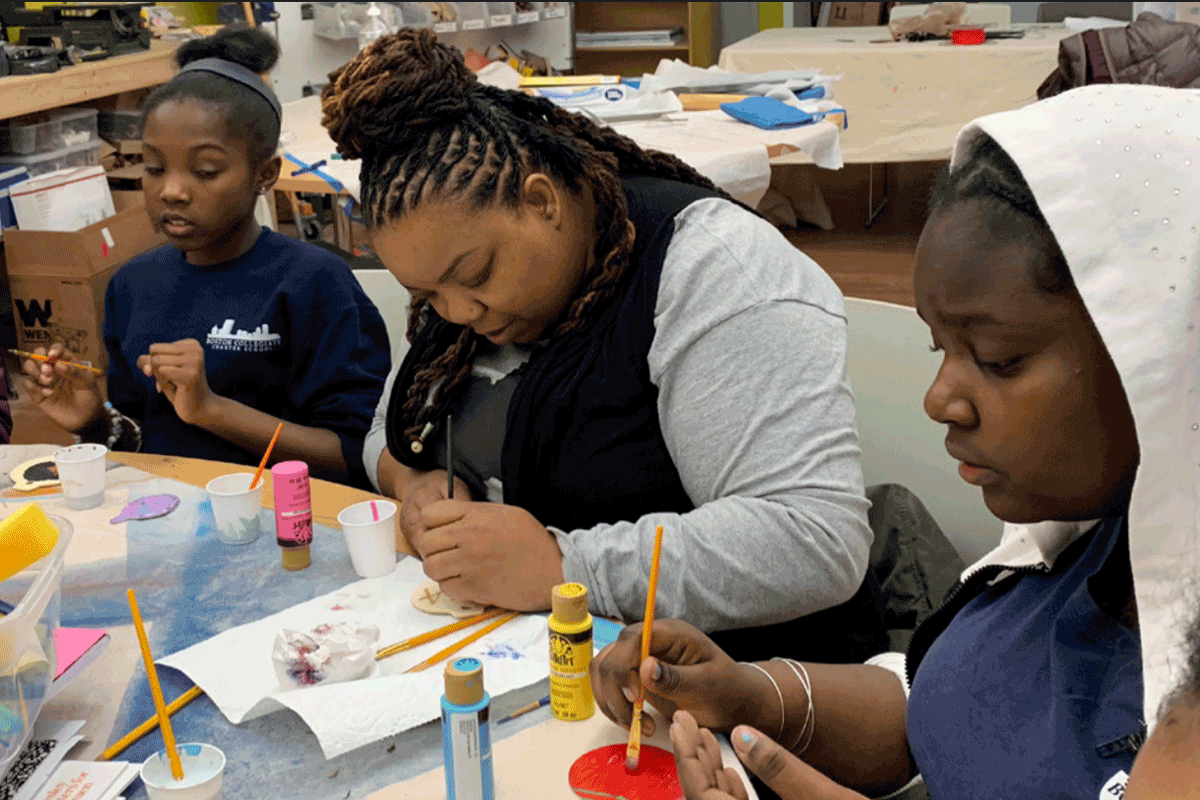 Afterschool programs are a significant vehicle for increasing STEM interest, confidence, and capacity in underrepresented students. According to the Coalition for Science After School, effective afterschool programs provide relevant, hands-on opportunities for underrepresented youth to interact with relatable scientific role models, content knowledge, and resources.
This article describes the development and pilot implementation of a culturally responsive maker afterschool program for Black girls. The pilot of Black Girls Create used social history, culturally responsive pedagogy, and mentoring to engage Black girls in maker-based activities as they learned about Black women who made significant impacts in STEM. By the end of the program, girls had used their new maker skills to design and create cultural artifacts and to conduct digital fabrication demonstrations. This article highlights the program design, pilot program outcomes, and successes and challenges associated with the pilot implementation.
 Talk with parents and extended family members about sex and relationships can support adolescents’ sexual health. However, few studies explore how parent and extended family communication with adolescents intersect.
This study assessed family roles in talk with teens about sex and relationships among a sample of 39 adult extended family members (such as aunts and uncles, and older siblings and cousins) in the United States. The researchers identified four themes in sexuality communication: why adolescents talk to extended family about sex and relationships, family engagement in these conversations, consistency of family messages, and family communication about adolescents.
The researchers’ findings identified variation in how family members interact with adolescents and one another regarding talk about sex and relationships. For example, some participants described family coordination of sexual messages to the teen, while others reported no family communication about this topic. The results also showed similarities and differences in how sibling and non-sibling extended family members described these processes.
These findings identify the need to examine family talk about sex and relationships in the context of a larger family system, rather than only within dyadic relationships, and suggest possibilities for family-based interventions to support adolescents’ sexual health.
This work was supported by the Eunice Kennedy Shriver National Institute of Child Health and Human Development: R21HD088955. The content is solely the responsibility of the authors and does not necessarily represent the official views of the National Institutes of Health.
 Implementing evidence-based treatments into practice settings requires novel and collaborative methods of adapting treatments to be responsive to the specific contextual and cultural features of various practice settings. This article describes the use of a learning community method of implementation, which brought together campus and researcher stakeholders to adapt a trauma-focused treatment to be offered in university counseling centers. This paper highlights the unique strengths and challenges of serving trauma-exposed students in university counseling centers and can be used to inform implementation in other types of settings as well.
The leaders of this project convened campus and community stakeholders, including counseling center clinicians, administrators, student life professionals, and students, to collaborate with researchers to work toward dissemination and implementation. These stakeholders participated in a learning community that reviewed, selected, and adapted a trauma-focused, evidence-based treatment and other tools for dissemination and implementation in university counseling centers and by other campus professionals.
There were a number of benefits and challenges of using the learning community as a method of dissemination and implementation. Benefits included context-specific knowledge sharing, clarification of the scope of trauma among college students, creation of helpful tools, emphasis on cultural competence, and facilitating connections between professionals. Challenges included balancing flexibility with progress toward project goals and recruitment and retention of stakeholders.
Stakeholder engagement is an integral component of dissemination and implementation efforts. The learning community method allowed for stakeholders to take an active part in adapting a trauma-focused, evidence-based treatment for university counseling centers and can be utilized in other settings to aid in adoption and utilization of evidence-based treatments.
 Parental depression is associated with maladaptive cognitive, academic, socio-emotional and psychological outcomes in their children. Children with a depressed parent are three to four times more likely to be diagnosed with depression than children with non-depressed parents, making parental depression a significant risk factor in the onset of childhood depression.
Preventive interventions aim to reduce the likelihood that depressive symptoms will onset by decreasing risk factors and increasing protective factors. In family-based preventive interventions for children who are at risk for depression due to parental depressive symptoms, clinicians aim to build resilience in children by addressing risk and protective factors. Such intervention programs have been shown to effectively reduce depressive symptoms in children.
This book chapter summarizes the effects of parental depression on children, risk and protective factors associated with resilience, and the family-based preventive interventions used to mitigate the effects of parental depression on children, and presents an example case study highlighting one of these preventive interventions. Finally, the chapter reviews essential clinical competencies for productive work in family-based depression preventive interventions.
 The COVID-19 pandemic is an unprecedented historical event with the potential to significantly impact adolescent loneliness. This study aimed to explore the role of companion animals and attachment to pets in the context of the pandemic.
The researchers used longitudinal quantitative survey data collected prior to and during the pandemic to assess the role of pets in predicting adolescent loneliness. They found that pet ownership was not a significant predictor of loneliness before the pandemic, but it did predict higher levels of loneliness during COVID-19 as well as higher increases in loneliness from before to during the pandemic.
Dog owners in the study showed lower levels of loneliness prior to the pandemic, but not during it, and dog owners were significantly more attached to their pets than owners of other types of pets. Adolescents with pets reported spending more time with their pets during the pandemic, and frequently reported pet interactions as a strategy for coping with stress.
Overall, the results from this study indicate complexity in the relationship between pet ownership, attachment, loneliness, and coping with stress. These results suggest a need for additional research further assessing how features of the relationship—such as species and relationship quality—might contribute to adolescent mental health outcomes.
This study was done by researchers with the Youth, Media & Wellbeing Research Lab at WCW and the Cummings School of Veterinary Medicine at Tufts University. The study was supported by the Eunice Kennedy Shriver National Institute for Child Health and Human Development under award numbers R03HD101060 and R15HD094281-01. The content is solely the responsibility of the authors and does not necessarily represent the official views of the National Institutes of Health.
 In this book chapter, Maparyan writes that womanism has emerged as a culturally situated social and ecological change perspective devised and named by—but not limited to—Africana women. While some scholars have struggled to define the uniqueness of womanism relative to feminism and humanism, others have authored decidedly womanist scholarship with great exuberance and little concern for how womanism relates to any other perspective. For many decades, it has been Maparyan’s scholarly quest to identify and name the defining attributes of womanism and to articulate what makes womanism a distinctive and potent worldview and praxis. This chapter attempts to situate womanism within the Black intellectual tradition.
 Communication with family members about sex can protect teens from risky sexual behavior, but most research focuses on teens’ communication with parents. Extended family members may also support teens’ health, though teens’ perspectives on communication with extended family about sex have been little explored.
This study’s aims were to examine similarities and differences in the frequency and content of teens’ communication with extended family and parents about sex and to assess whether the content of this communication differs based on teens’ gender.
The researchers analyzed survey data from 952 11th and 12th graders (55% female, 52% Latinx) in the U.S. They assessed three types of family talk about sex: communication about “risks of sex” addresses negative consequences of sex; communication about “protection” involves ways teens can guard against pregnancy and sexually transmitted infections; and “relational sex” communication addresses sex within the context of a close relationship.
The researchers found that teens were just as likely to report talk with extended family members as parents about sex. Teens’ conversations with parents were more focused on sexual risk and protection, while conversations with extended family focused on relational sex topics. Girls were more likely to talk about protection and relational sex with extended family, while boys talked more often with parents about these topics. These findings highlight the potential of extended family to support the healthy development of teens, especially girls.
This study was supported by the Eunice Kennedy Shriver National Institute of Child Health and Human Development: R21HD088955. The content is solely the responsibility of the authors and does not necessarily represent the official views of the National Institutes of Health.
 It is critical to examine the powerful socializing effects of networked media on early adolescents, who are at an age when social media use, body self-consciousness, and social comparisons are at their peak.
In this study, the researchers used two subsamples from a larger survey sample of 700 middle school students in the Northeast U.S. They conducted a cross-sectional pilot survey using brief, descriptive body dissatisfaction measures directly related to social media use.
Within this subsample, 19% of participants reported dissatisfaction with their bodies. Their most common concerns around body image included not being thin enough or attractive enough, and feeling dissatisfied with their body shape, hair, and face.
Those reporting social media-related body dissatisfaction checked their social media more frequently. When compared with those who did not feel negatively about their body image because of social media, those who did had higher rates of depressive symptoms, had online social anxiety, had found it harder to make new friends, and were more socially isolated. Those who followed celebrities checked social media more frequently and were more likely to have depressive symptoms and online social anxiety.
The researchers concluded that there may be negative socioemotional health consequences for early adolescent social media users who are exposed to particular sources of social media content, such as photographs of celebrities.
Some of these research findings are also represented in an infographic.
This research was funded by Children and Screens: Institute of Digital Media and Child Development. Additional support provided by NIH (K23 MH 107714-01 A1) and the Mary Ann Tynan Faculty Fellowship, as well as the Class of 1967 Internship Program at the Wellesley Centers for Women.
 Many 10-14 year olds are at the early stages of using social media, and habits they develop on popular platforms can have lasting effects on their socioemotional wellbeing.
Dr. Charmaraman and Dr. Delcourt led a remote innovation workshop with 23 middle schoolers on digital wellbeing, identity exploration, and computational concepts related to social computing. This article describes the structure of the workshop, themes that emerged from discussions, and the process participants used to design their own social network website called Social Sketch.
The workshop was a unique opportunity for participants to reflect on their social media habits, discuss them with peers, and imagine themselves as technology innovators. The themes that emerged related to social wellbeing online included a) sense of belonging to communities of interest, friends, and family, b) self-care and social support strategies involving managing risks, control, and empathy, and c) experimentation while building self-confidence and bravely exploring audience reactions.
After the workshop, girls’ self-esteem and agency increased. They reported increases in the importance of sharing about their abilities, achievements, and future career plans online and feeling of belonging in online communities. They also reported an increase in their belief that they are good at computing and that learning about technology will give them many career choices. Overall, participants were less likely to think that computing jobs were boring.
Findings from this paper are summarized in a blog post and video abstract.
This study was supported by the Eunice Kennedy Shriver National Institute of Child Health and Human Development: R15HD094281-01. The content is solely the responsibility of the authors and does not necessarily represent the official views of the National Institutes of Health.
The COVID-19 pandemic has added new challenges to Boston families’ ability to address their child care needs. This project was designed to (1) uncover families’ child care preferences, (2) identify the factors that drive these preferences, and (3) learn how families are handling work and child care issues during the pandemic.
In the summer of 2020, Dr. Lucas and Dr. Robeson conducted focus groups and interviews with 24 parents/guardians from the city of Boston who had at least one child not yet enrolled in kindergarten. These mothers, fathers, and non-binary parents/guardians represented diverse family structures, including single-, two-parent, and extended family households; a multitude of races and cultures; and lived in neighborhoods across the city. While all families worried about COVID-19, some knew individuals who were infected and others saw COVID-19 enter their own homes.
Ultimately, the researchers learned that Boston families are experiencing too much — too much going on in the world, too much stress in their lives, too much pressure to ensure their family can thrive — and much is being asked of them: from being partner, child, sibling, neighbor, civically engaged resident, and parent, to now educator, nurse, chef, ombudsperson, coach, cheerleader, audience, playmate, and friend (among other things). There are only so many hours in the day, and subsequently many families are feeling like they’re not enough — as parents/guardians, as spouses/partners, and as employees.
This article investigates associations of social technology access and content, bedtime behaviors, parental phone restrictions, and timing and duration of sleep on school nights in early adolescents.
Dr. Charmaraman, Richer, Dr. Ben-Joseph, and Dr. Klerman surveyed 772 6-8th grade students from four schools in the Northeast U.S. between February and June 2019. The survey asked questions about social media, internet, and phone use, content of websites and social media posts, behaviors within one hour of bedtime, bedtime, sleep duration, and phone/screen restrictions put in place by parents.
Controlling for potential confounding factors such as gender, age, race/ethnicity, two-parent household, and eligibility for free or reduced price lunch, the researchers found that more frequently engaging in checking social media, problematic internet behaviors, fear of missing out (FoMO), problematic digital technology use, and watching more emotional or violent videos were significantly related to later bedtimes and fewer hours of sleep on a typical school night. Participants who acknowledged losing sleep because they couldn’t quit online activities went to bed later and slept less. Seeing posts related to a thin ideal weight was significantly associated with reduced sleep, and seeing messages related to drugs/drinking was significantly related to later bedtimes. Watching YouTube videos before sleep was related to later bedtimes and reduced sleep; checking social media before bed was related to later bedtimes. Reading books was the only bedtime behavior associated with an earlier bedtime.
Documenting bedtime habits and specifics of online content that negatively affect sleep outcomes can be initial steps when designing interventions for parents and practitioners to encourage healthier social technology use.
The study was funded by the Eunice Kennedy Shriver National Institute of Child Health & Human Development of the National Institutes of Health (NIH), with support from Children and Screens: Institute of Digital Media and Child Development to pilot the measures and procedures that lead to the subsequent NIH funding. The study was conducted by the Youth, Media & Wellbeing Research Lab.

There has been very little research that compares family communication about sex and relationships for sexual minority and heterosexual teenagers. The literature that does exist rarely includes fathers or extended family in the data.
In this study, the researchers surveyed 952 teenagers (115 of which disclosed non-heterosexual attraction). They found that mothers offered more messages about sexual protection methods to their non-sexual minority teens, and fathers talked less with sexual minority teens about risks of sex and relational sex. Male sexual minorities reported talking to more family and extended family members, while female and non-binary sexual minorities confided in fewer family members or no one.
This work was supported by the Eunice Kennedy Shriver National Institute of Child Health and Human Development: R21HD088955. The content is solely the responsibility of the authors and does not necessarily represent the official views of the National Institutes of Health.
Sari Pekkala Kerr, Ph.D., and her co-author contributed a chapter in a National Bureau of Economic Research Conference Report on the critical role immigrants play in the STEM workforce and innovation.
The full report explores relationships between immigration and entrepreneurship, differences between immigrant entrepreneurs and those born in the U.S., visa policies, and postgraduation migration patterns.
The chapter co-authored by Kerr investigates how immigrants and those born in the U.S. utilized networking opportunities provided by the co-working space CIC, formerly the Cambridge Innovation Center. The researchers surveyed 1,334 people working at CIC in three locations spread across the Boston area and one in St. Louis, MO. Survey responses showed that immigrants valued networking capabilities in CIC more, and the networks developed by immigrants at CIC tended to be larger. Immigrants also reported substantially greater rates of giving and receiving advice for six surveyed factors: business operations, venture financing, technology, suppliers, people to recruit, and customers.
This study explored why competitive firms in the U.S. provide paid parental leave and to what extent.
Using the BLS-Employee Benefit Survey for 2010 to 2018 and extensive firm-level data, the team found that employer-provided paid parental leave has become more prevalent in the last 20 years and often covers new fathers as well as new mothers. The extent of leave offered by U.S. companies varies greatly by firm size and industry, but even highly regarded firms in the U.S. provide less paid parental leave than the median OECD nation.
This work has been supported in part by Grant # 85-18-05 from the Russell Sage Foundation and Grant #1823635 from the National Science Foundation. Any opinions expressed are those of the authors alone and should not be construed as representing the opinions of the funders.
This journal article examines associations between adolescents’ relationships with their pets and their social media use. It is the first study to explore links between owning pets, online social competence, and social technology use, particularly focused on how pets can act as either a substitute or a complement to social interactions online.
Dr. Charmaraman, Dr. Mueller, and Richer analyzed a sample of 700 middle school students aged 11–16 in the Northeast, looking at how pet companionship is associated with social technology use and the quality of online social connections.
They found that adolescents who have dogs were more likely to check social media more frequently, give and receive online social support, and feel less social isolation. The more time spent with a pet, the more likely the adolescent played online games for leisure and browsed the internet about animals. And the more attached the adolescent was to their pet, the more likely they provided and received online social support.
Together, these exploratory findings show that on the whole, pet owners are not necessarily equal in how they use social technologies. Factors such as the amount of time spent, the type of pet, and the level of attachment to the pet all come into play. But the more attached an adolescent is to a pet, the more likely they will have a developmentally appropriate, strong sense of and respect for a reciprocal online relationship with others and greater sense of community and connectedness to others in their online worlds.
This work was funded by Children and Screens: Institute of Digital Media and Child Development and the Nan May Holstein New Horizons Award from the Wellesley Centers for Women. The study was conducted by the Youth, Media & Wellbeing Research Lab.
Interventions to improve early childhood care and education programs often focus on providing training, sometimes combined with coaching, to classroom educators. However, such interventions are uneven in their effectiveness.
In this article, Dr. Marshall, Dr. Robeson, and Dr. Roberts describe the development of the Ready Educators Quality Improvement Pilot (REQIP), an intervention they refined, implemented, and evaluated at 10 center-based programs with more than 60 educators over the course of 19 months. REQIP integrates two approaches: One focuses on the workforce through training and coaching at the educator level. The other focuses on the program in which the educators work, through executive coaching for administrators and consultations on the classroom, building spaces, and curriculum materials.
This article examines the challenges faced during implementation and the implications for putting REQIP into practice. It also discusses the results of the evaluation, and implications for other applications of social science.
 This journal article outlines findings from two studies of the Youth, Media & Wellbeing Research Lab at the Wellesley Centers for Women. In these two studies, Dr. Charmaraman, Richer, and Dr. Moreno sought to understand the association between playing violent or age-inappropriate online games and behavioral health outcomes for early adolescents. To that end, they surveyed two different groups of middle school students in the northeast U.S. who represented a range of school sizes, races and ethnicities, and socioeconomic statuses about their gaming behaviors, health, and social media use
The first study showed that middle school students who played high-risk games – as measured by maturity and violence level – reported higher depressive symptoms and problematic internet behaviors, less sleep, more time spent playing games, and higher frequency of checking social media than non-gaming students. Those who played high-risk games were less likely to play alone and to play with strangers than those who played minimal-risk games.
Similar to the first study, the second study showed that those who played high-risk games spent significantly more time playing games, were more interactive with other players, and had poorer sleep outcomes than non-high-risk gamers. Additionally, playing high-risk games had significantly different social impacts compared to less-risky gaming, including spending more money on games, spending less time on homework and with family, or skipping meals due to gaming.
The content of video games and the amount of online social interaction associated with gaming play a strong role in behavioral health and social impacts within families. These results can inform guidelines to intervene when problematic behaviors emerge.
In January 2016, the Justice and Gender-Based Violence Research Initiative at the Wellesley Centers for Women began a study funded by the National Institute of Justice to better understand how colleges and universities handle the investigation, adjudication, and sanctioning of sexual assaults. In this final report, the research team reviews their findings and implications for the research.
The research team gathered data from a national sample of 969 four-year colleges and universities in the U.S. They then interviewed Title IX coordinators and other key informants from 47 institutions. The team identified a wide variety of individual approaches and programs at these many institutions, which address the challenges of responding to sexual assault in different ways.
In the report, they wrote, "We found that there is no one model associated with [institutes of higher education] of a certain size, geographic location, or sector (public, private or religiously affiliated). Instead we found extreme variation in the information made available to the public (and to the students) on the [college and university] websites and in the approaches to investigation and adjudication described by the Title IX coordinators interviewed."
Previous studies have examined whether and how much Hispanic teenagers talk with their parents about sex. Studies have also shown that extended family may be particularly important in Hispanic families, as they are more likely to contribute to childrearing than in non-Hispanic white families. But few studies to date have assessed communication about sexuality between Hispanic teenagers and their extended family members.
In this study, Dr. Estrada-Martinez, Dr. Grossman, and Richer analyzed the survey responses of 474 young Hispanic people recruited from six New England high schools. The researchers compared the extent to which Hispanic teenagers talk with mothers, fathers, and extended family members about the risks of sex, protection, and relational sex (sex within the context of a close relationship). They also examined the role teenagers' gender plays in the association between sexuality communication and risky sexual behaviors.
The researchers found that there were significant gender differences in teenagers' talk about sexuality with mothers and fathers, but not extended family members. In other words, teen girls were more likely to talk with their mothers about sex, while teen boys were more likely to talk with their fathers. The content of the communication, the family member they talked to, and the gender of the teenager all contributed to whether that communication protected them from risky sexual behavior.
There are substantial differences in the types of sexuality communication Hispanic teenagers have with different family members, which are closely tied to the teenager's and the family member's gender. The results of this study suggest that one size does not fit all when it comes to family communication about sex and sexuality.
It has long been understood that high-quality staffing is a major contributor to achieving positive outcomes for children and youth in out-of-school time (OST) programs. Yet information on the current OST program workforce is outdated and understudied.
The purpose of this study by the National Institute on Out-of-School Time was to explore the perceived characteristics of the OST field and the relative importance of these characteristics to workers in the field. The researchers were particularly interested in how workers perceived characteristics that may typically be associated with longevity in a profession, including fair pay, opportunities for advancement, and benefits.
Improving understanding of the perceptions of the OST workforce may help employers to foster the work environments, staffing structures, compensation approaches, and professional development experiences that influence high-quality workers to stay in the field. The study findings illuminate the significance that workers in the OST field attach to their passion for this work, and the central importance to them of building relationships with and fostering positive and healthy development for children.
Immigrant entrepreneurship plays an important role in the American economy. Immigrant- founded firms provide jobs and innovation, and immigrant entrepreneurs frequently show up in popular press business narratives, legislation and lobbying discussions, and the founding histories of many prominent firms. About 40 percent of Fortune 500 companies were founded by first- or second-generation immigrants. Yet relatively little is known about the broader impacts of immigrant entrepreneurs in terms of job creation and economic growth.
In this study, Sari Pekkala Kerr and William Kerr looked at immigrant entrepreneurship in 2007 and 2012 using the Survey of Business Owners. They found that first-generation immigrants create about 25 percent of new firms in America, and more than 40 percent in some states. They also found that immigrant-owned firms tend to create fewer jobs than native-owned firms and offer fewer benefits, but have comparable pay levels and engage more in international activities. Tech clusters like Silicon Valley demonstrate a particular strength for immigrant high-tech entrepreneurship.
These results confirm that immigrants enter entrepreneurship at a higher rate than non-immigrants, and begin to describe the distinctive features of immigrant-founded firms. This is important given the role of new businesses in generating jobs, and the significant impact of job creation on the U.S. economy.
For teenagers, extended family can be a resource for conversations about sex, but the perspectives of extended family have been largely left out of previous research. In this study, Dr. Grossman, Nagar, Dr. Charmaraman, and Richer investigated how extended family--such as aunts, uncles, siblings, and cousins--perceive communication with teens in their families about sex. They analyzed data from interviews in the U.S. with 39 extended family members, primarily siblings, who reported talking with teens in their families about sex. The researchers found that these conversations most often covered topics of healthy and unhealthy relationships (87%), sexual orientation (82%), sexual behavior (82%), and protection (74%).
These findings highlight extended family members' unique roles in supporting the sexual health of teens in their families, which include providing information and support about issues other family members may not address, such as sexual orientation and positive aspects of sex. The findings suggest the need to include extended family in sex education to reflect the broader ecology of teens' family relationships and access an underutilized resource for teens' sexual health.
Linda Charmaraman, Ph.D., senior research scientist, co-authored an introduction to a special issue of the Journal of Adolescent Research that provides specific insight into young people's experiences with networked technologies, as well as broader methodological implications for research on digital youth. The collective focus of the issue comes at a critical time as it tries to capitalize on increased interest in funding for studies conducted to improve adolescents' and emerging adults' socially interconnected lives, which could lead to practical implications for educational and health care practices, parenting, policy and technology design.
Maureen Walker, Ph.D., senior scholar at the Wellesley Centers for Women, uses her experience as a licensed psychologist and an African-American growing up in the South to provide a way for educators and social service professionals to have more effective cross-racial discussions about race and race relations. In addition, she offers everyday solutions for people of different races to better understand and accept one another.
 The past decade has seen a significant increase in our understanding of the neurobiological mechanisms of posttraumatic stress disorder (PTSD). This chapter in The Wiley Encyclopedia of Health Psychology examines the possible role the insula—a small region of the cerebral cortex—plays in the etiology and maintenance of PTSD symptoms, particularly in women with PTSD.
Within the context of the neurocircuitry of PTSD, disruption of insula activity is thought to be associated with numerous PTSD symptoms, including deficits in autobiographical memories and interoceptive cues. Moreover, recent findings of altered functional connectivity of insular subregions in women with PTSD point to important neural pathways underlying fear extinction of traumatic memories.
These results may assist in advancing our understanding of current treatment approaches for PTSD as well as aid in the development of new targeted psychological or psychiatric interventions.
 Approximately 20% of people will experience a depressive episode by adulthood, making adolescence an important developmental target for prevention.
CATCH-IT (Competent Adulthood Transition with Cognitive-behavioral, Humanistic, and Interpersonal Training), an online depression prevention intervention, has demonstrated efficacy in preventing depressive episodes among adolescents reporting elevated symptoms. This study examines the effects of CATCH-IT compared to online health education (HE) on internalizing symptoms in adolescents at risk for depression.
Participants ages 13–18 were recruited across eight U.S. health systems and were randomly assigned to CATCH-IT or HE. Assessments were completed at baseline and after two, six, 12, 18, and 24 months. There were no significant differences between groups in change in depressive symptoms or anxiety. Improvement in depressive symptoms was statistically significant for both groups; improvement in anxiety was significant for CATCH-IT but not HE. Parental depression and positive relationships with primary care physicians moderated the anxiety findings, and adolescents’ externalizing symptoms and positive relationships with primary care physicians moderated the depression findings.
This study demonstrates the long-term positive effects of both online programs on depressive symptoms and suggests that CATCH-IT demonstrates cross-over effects for anxiety as well.
This research was funded by The National Institute of Mental Health of the National Institutes of Health, grant number R01MH090035.
 This study examined effects of an adolescent depression prevention program on maternal criticisms and positive remarks, whether the extent of adolescents’ depression accounted for effects, and whether effects of the program on maternal criticisms and positive remarks differed by adolescents’ gender.
The participants in the study were 298 adolescents whose mothers had histories of depression; youth were randomized to either a cognitive-behavioral prevention (CBP) program or usual care (UC). At baseline and 9-month post-intervention evaluations, the researchers measured the number of criticisms and positive remarks mothers made during an open-ended description of their child and their relationship. Adolescents’ depression from pre- through post-intervention was assessed with interviews.
Controlling for baseline criticism, at post-intervention, mothers of girls in CBP made significantly more criticisms than did mothers of girls in UC, whereas mothers of boys in CBP made fewer criticisms than did mothers of boys in UC. The extent of adolescents’ depression from pre- through post-intervention partially mediated the relation between intervention condition and mothers’ criticisms, for boys but not for girls. Second, controlling for pre-intervention positive remarks, at post-intervention, mothers of youth in CBP made significantly more positive remarks about their child than did mothers of youth in UC, regardless of gender; this relation was not mediated by adolescent depression from pre- through post-intervention. The researchers suggest possible explanations for the observed effects of CBP on mothers’ criticisms and positive remarks.
 Adolescent depression carries a high burden of disease worldwide, but access to care for this population is limited. Prevention is one solution to curtail the negative consequences of adolescent depression. Internet interventions to prevent adolescent depression can overcome barriers to access, but few studies examine long-term outcomes.
This study compares CATCH-IT (Competent Adulthood Transition with Cognitive Behavioral Humanistic and Interpersonal Training), an internet-based intervention, to a general health education active control for depression onset at 12 and 24 months in adolescents presenting to primary care settings.
The researchers’ conclusion was that a technology-based intervention for adolescent depression prevention implemented in primary care did not have additional benefit at 12 or 24 months. Further research is necessary to determine whether internet interventions have long-term benefit.
Research reported in this article was supported by the National Institute of Mental Health of the National Institutes of Health under award number R01MH090035. The implementation process was developed with funding from the Robert Wood Johnson Foundation.
 Immigrant entrepreneurs have played an important role as firm founders and job creators over the last few decades. In this essay, Kerr recommends that policymakers at the local, state, and federal level should address both business and immigration-related obstacles faced by immigrant entrepreneurs to allow them to fully contribute to economic recovery and future growth in the U.S.
This essay was part of a symposium on immigration and economic recovery after COVID-19. The Center for Growth and Opportunity asked leading economists and immigration scholars from a diverse set of perspectives, “With the COVID-19 crisis fueling increased calls to create an insular world with fewer immigrants and less trade between countries, we risk both our short-term recovery and long-term economic growth. What should civil society and policymakers do now, or as the medical emergency subsides, to ensure that economies stay open and connected?” The goal of the symposium was to offer policy solutions that will help the U.S. recover faster and emerge economically stronger than ever.
 Immigrants account for about a quarter of U.S. invention and entrepreneurship, despite a policy environment that is not well suited for these purposes. This book chapter reviews the U.S. immigration policy environment that governs how skilled migrants move to America for employment-based purposes.
The authors discuss points of strain in the current system and potential policy reforms that would likely increase the rate of innovation and the number of startups due to immigrants in the country. Key areas include adjustments to the allocation of permanent residency visas, adjustments to the H-1B visa program, and the creation of an immigrant startup visa.
 In this study, the researchers examined the impact of an information intervention offered to 97 randomly chosen high schools on post-secondary education applications and enrollment in Finland. Graduating students in treatment schools were surveyed and given information on the labor market prospects associated with detailed post-secondary programs.
They found that students who were the most likely to update their beliefs due to the intervention started to apply to programs associated with higher earnings. However, this subgroup was too small to give rise to a statistically or economically significant impact on the overall application or enrollment patterns.
This project was funded by the Higher Education and Innovation Network at the University of Helsinki.
 In this article, Maparyan writes that we cannot realize the oneness of humanity while simultaneously negating the manifold cultures and cosmologies of the earth’s diverse and ancient peoples, particularly those “populations of special significance”—defined by the National Spiritual Assembly of the Bahá’ís of the United States as American Indians, African Americans, and various immigrant groups—who have endured the ravages of slavery, colonialism, genocide, and negation. By opening up new ways of seeing Black people, Black culture, and the African worldview—ways that defy and dissolve anti-Blackness—we advance the Cause of Bahá’u’lláh and accelerate the just and loving world order it heralds.
 In this article, Stein writes about her frequent walks with Sally Engle Merry, Ph.D., a senior scholar at the Wellesley Centers for Women until she passed away in 2020 and the Silver Professor of Anthropology at New York University.
Stein has been a senior research scientist at WCW since 1992. Her research focuses on gender violence in schools, including sexual harassment and teen dating violence. She often serves as an expert in Title IX, sex discrimination, and sexual harassment lawsuits. She and Merry co-taught a seminar, Gendered Violations from 1999-2005.
 Police officers are exposed to a wide variety of stressors—frequently interacting with people at their worst moments and sometimes absorbing the trauma that victims experience themselves. Investigating sexual assaults presents significant challenges given the often high levels of distress experienced by victims, paired with the likelihood that no arrest will be made and the low conviction rates. Little research explores the impact this investigatory work has on the detectives who are assigned to these cases.
In this study, Dr. Morabito, Dr. Pattavina, and Dr. Williams used interviews conducted with 42 sexual assault detectives across six jurisdictions to understand the effects on them of investigating crimes of sexual violence. Specifically, the researchers explored the detectives’ experiences within the context of burnout and secondary traumatic stress.
They found clear incidence of emotional symptoms among sexual assault investigators. During the course of interviews about their decision-making, the detectives—unprompted by the researchers—manifested symptoms of trauma resulting from their assigned caseloads. The researchers detailed a plan for future research to better pinpoint how and when these symptoms arise and interventions that may address their effects.
 Primary care providers are positioned to identify adolescents at risk for depression and prevent major depressive disorder. To identify subthreshold depression, the researchers in this study examined the language adolescents use to describe their symptoms.
This study included adolescents ages 13-18 with elevated levels on the Center for Epidemiologic Studies Depression scale and/or a history of depression who were part of a large randomized clinical trial to prevent depressive disorder. The researchers used content analysis to analyze transcripts of semi-structured interviews.
The study identified, in adolescents' own words, how those with subthreshold depression express feelings and cope with symptoms, and may guide primary care providers to recognize subthreshold depression early. These findings are a step toward filling the gap in the empirical literature needed to improve identification of adolescents at risk for depression in nonspecialist settings.
The Justice and Gender-Based Violence Research Initiative, led by Linda Williams, Ph.D., concluded a federally-funded study that investigated challenges to the prosecution of child sexual abuse. Their final report looked at the characteristics of cases that do and do not continue forward to a trial in the criminal justice system. The researchers found that less than 10 percent of the cases resulted in a conviction or guilty plea.
Citation: Block, S.D. & Williams, L.M. (2019) The Prosecution of Child Sexual Abuse: A Partnership To Improve Outcome. Final Technical Report. NCJRS #252768. Washington, DC: U. S. Department of Justice.
In 2019, WCW's Justice and Gender-Based Violence Research Initiative concluded a study funded by the National Institutes of Justice on the prosecution of sexual assault cases in the U.S. Their final report found that for every 100 sexual assaults or attempted sexual assaults reported to police, only one case ended in a guilty verdict through trial. The authors investigated why so few cases led to arrest or trial and identified common characteristics of cases that continued forward through the criminal justice system.
Citation: Morabito, M.S., Williams, L.M., & Pattavina, A. (2019) Decision Making in Sexual Assault Cases: Replication Research on Sexual Violence Case Attrition in the U.S.: Final Technical Report #252689. Washington, DC: U.S. Department of Justice.
Background
Adolescent death by suicide is an emergent health crisis in the United States of America. Although many suicide prevention programs have been created to address suicide in this population, rates continue to increase. Online interventions can disseminate treatments world-wide and reach large numbers of users. This paper examines the effects of CATCH-IT, an Internet-based depression prevention intervention on risk factors for suicide (i.e., suicidal ideation, hopelessness, low self-esteem and social isolation).
Depression contributes significantly to the global burden of disease in low- and middle-income countries. In South Africa, individuals may be at elevated risk for depression due to HIV and AIDS, violence, and poverty. For adolescents, resilience-focused prevention strategies have the potential to reduce onset of depression. Involving families in promoting adolescent mental health is developmentally appropriate, but few existing interventions take a family approach to prevention of adolescent depression. We conducted a qualitative investigation from 2013"
Sexual harassment has become so frequent and ubiquitous in schools that these behaviours have become normalised and expected. In order to prevent the re-enactment and perpetuation of this problem, it is important to explore processes that contribute to its existence. Dr. Gådin and Dr. Stein use a high school sexual harassment lawsuit in Sweden as a case study to illustrate ways that might explain how sexual harassment is normalised at the organizational level.
Page 2 of 6
 | Wellesley Centers for Women 781.283.2500 |
Copyright © 2026 Wellesley Centers for Women, Wellesley College | Privacy Policy
