
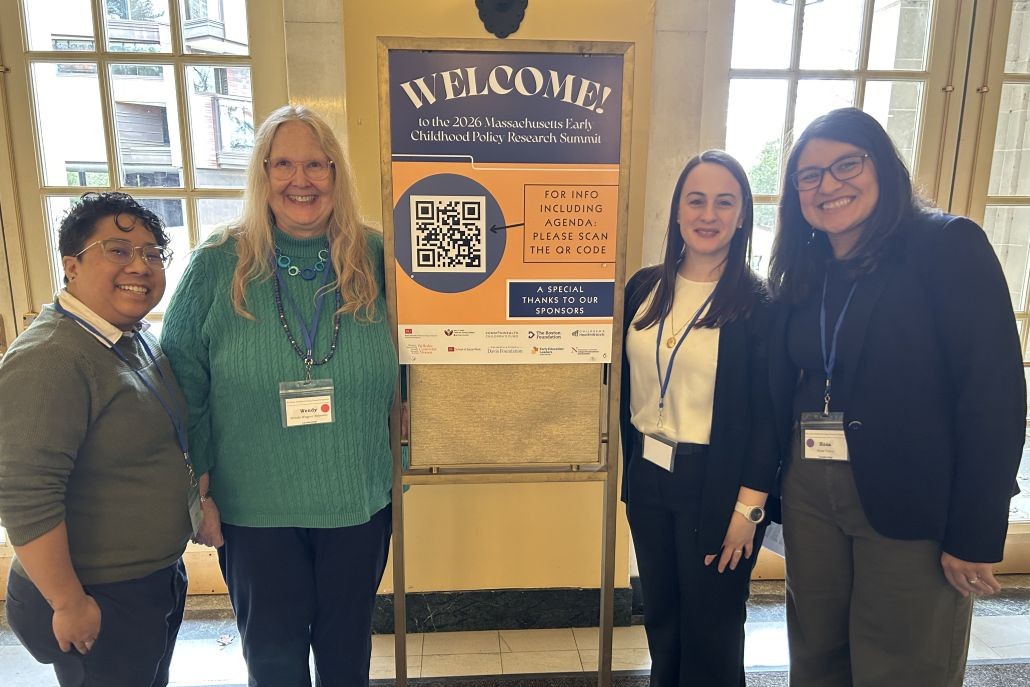
 On March 19, 2026, WCW hosted over 160 attendees at the second Massachusetts Early Childhood Policy Research Summit, a gathering of those who produce and support research and design projects related to the early childhood field in Massachusetts.
 Wendy Wagner Robeson, Ed.D., and her colleagues at Northeastern and Boston University are developing a statewide early childhood policy collaborative.
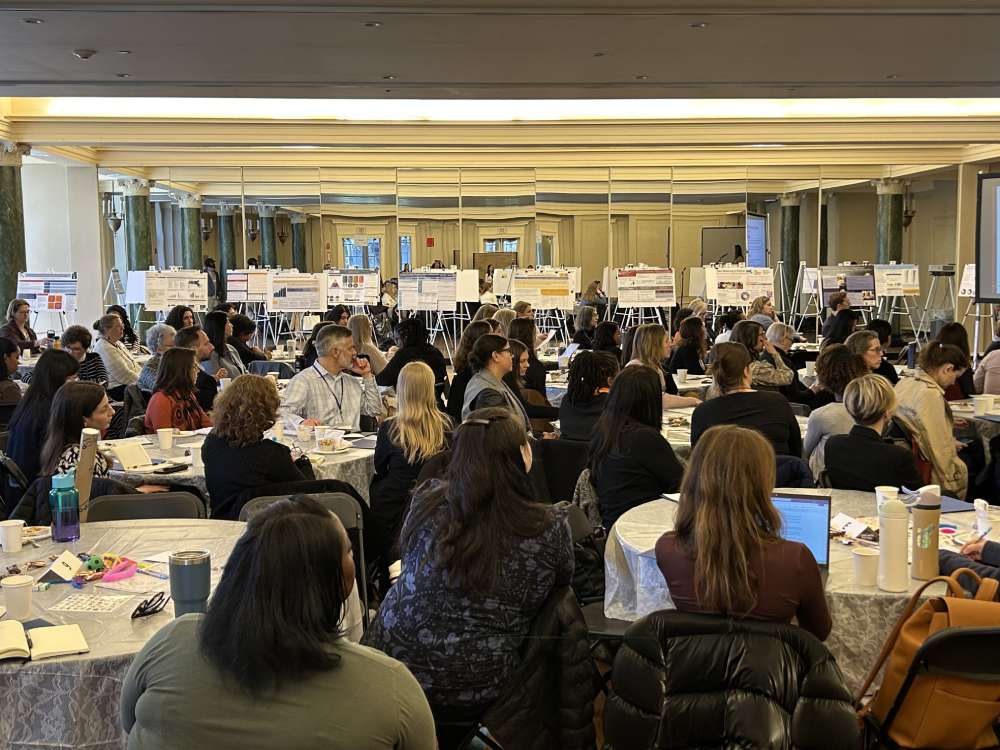
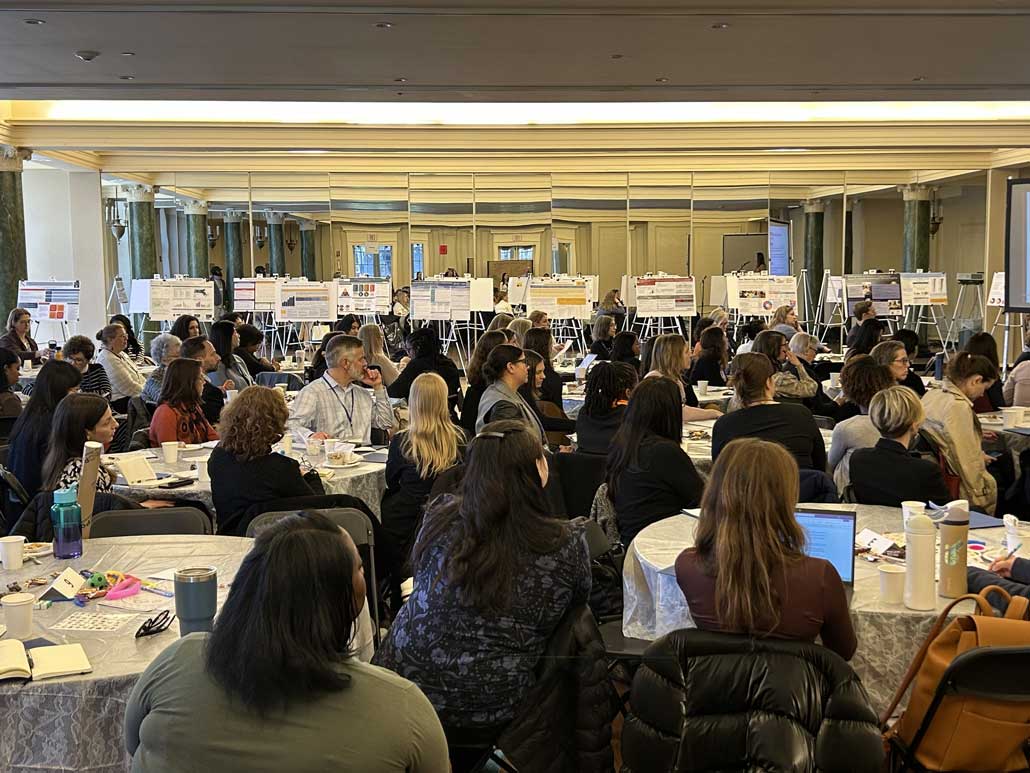 On April 2, 2025, WCW hosted the first Massachusetts Early Childhood Policy Research Summit, a gathering of those who produce and support research and design projects related to the early childhood field in Massachusetts.
 A recent study investigated the complex connections between poverty, work schedules, parents’ selection of different types of child care, and work disruptions.
 Wendy Wagner Robeson, Ph.D., shares findings from a study on child care access in Massachusetts during the pandemic.
 December 2, 2020
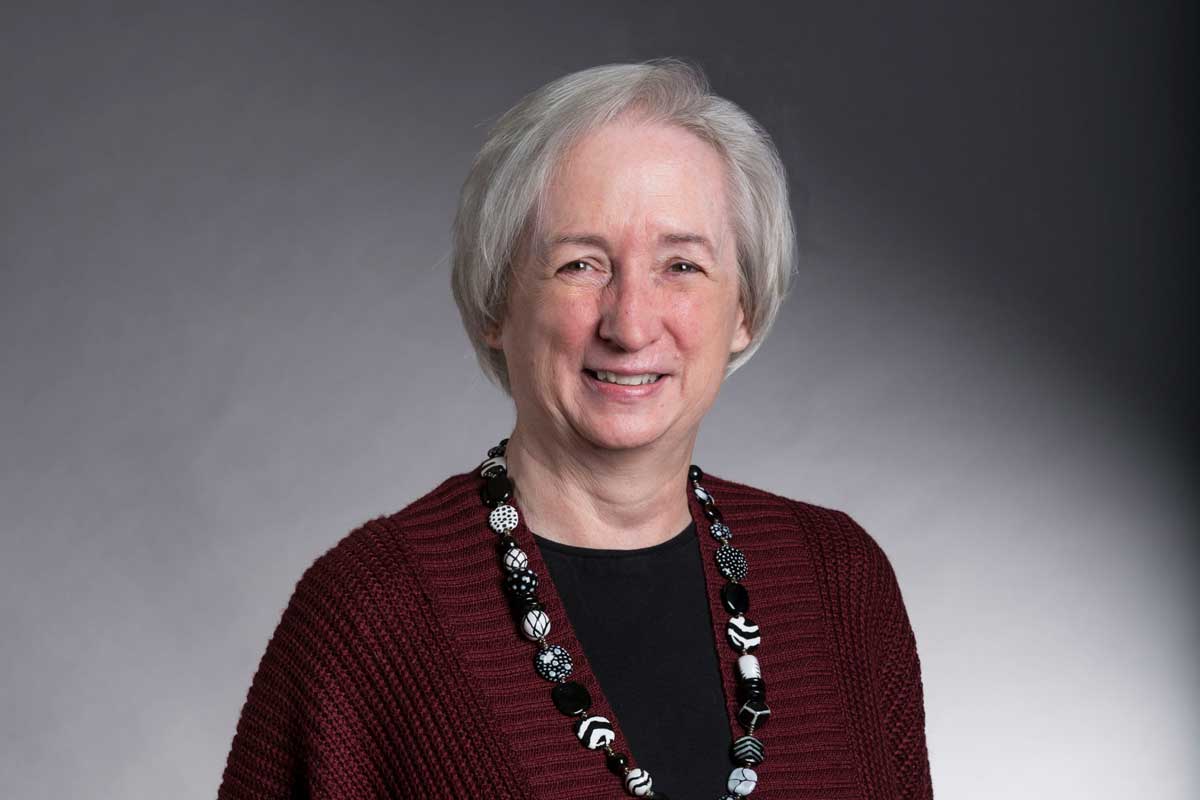
Senior Research Scientist and Associate Director Nancy L. Marshall, Ed.D., who is retiring after 35 years at the Wellesley Centers for Women, took a moment to reflect on her experiences.
 Wendy Robeson, Ed.D., highlights the challenges working families face during the pandemic, and how a national child care policy could help.
 November 11, 2020
Our Work, Families & Children Research Group will examine how nonstandard and/or unpredictable work schedules make it difficult for low-income parents to access quality child care.
 Wendy Wagner Robeson, Ed.D., helps to chart a path forward for Massachusetts early childhood care and education programs, which have been hit hard by COVID-19.
 March 16, 2020
Our Work, Families, & Children Research Group assisted with a report on child care accessibility and affordability in Boston.
Scholars at WCW spoke at conferences and workshops on early child care and social and emotional learning, two crucial education areas.
For Immediate Release: January 2, 2014
Research & Action Report, Fall/Winter 2010
For many years, research done by the Work, Families, and Children Research Group at Wellesley Centers for Women (WCW) has provided policy makers, community leaders, and other scholars with data, commentary, and testimony concerning the effects on family members of many factors, including working conditions, poverty, the division of labor at home, and early care and education. Nancy Marshall, Ed.D., who joined WCW in 1985, now leads the group, which includes Wendy Wagner Robeson, Ed.D., and Joanne Roberts, Ph.D., senior research scientists at WCW.
by Nancy L. Marshall, Ed.D.
From the Fall/Winter 2003 Research & Action Report
Recent headlines have once again raised the question of whether child care is bad for children. After decades of research, advocacy, program development, and policy, what do we really know about child care? Before addressing this question, it is important to talk about the larger question: what do we really know about women’s (and men’s) lives? The question of child care can only be answered as part of a discussion about how women and men meet the two challenges of both raising the next generation and providing economically for themselves and their families.
Read more.
November 9, 2005
Op-Ed submission to the Boston Globe (unpublished)
by Nancy Marshall, Ed.D. and Steve Barnett, Ed.D.
March 30, 2005
The creation of the Department of Early Education and Care, developed to administer the Massachusetts’ early education care system, puts the state at a critical juncture in advancing its historic commitment to young children. On July 1st, the new department becomes active, and its Board and Commissioner will have the tough task of deciding how to proceed. Well-trained, qualified teachers and providers are necessary for programs to promote children’s school readiness. The recently released Massachusetts Capacity Study Research Brief: Characteristics of the Current Early Education and Care Workforce provides research-based evidence of the magnitude of the task of workforce development.
Boston Globe
February 6, 2006
April 3, 2005
 | Wellesley Centers for Women 781.283.2500 |
Copyright © 2026 Wellesley Centers for Women, Wellesley College | Privacy Policy
