
November 2, 2017
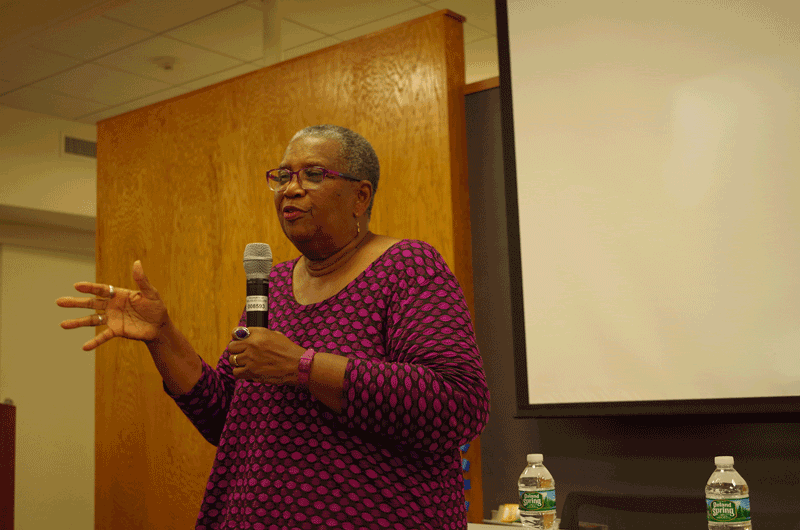
Byllye Y. Avery, founder of the Black Women's Health Imperative shared her story, exploring the many influences in her life that led her to become a health activist.
 November 10, 2016
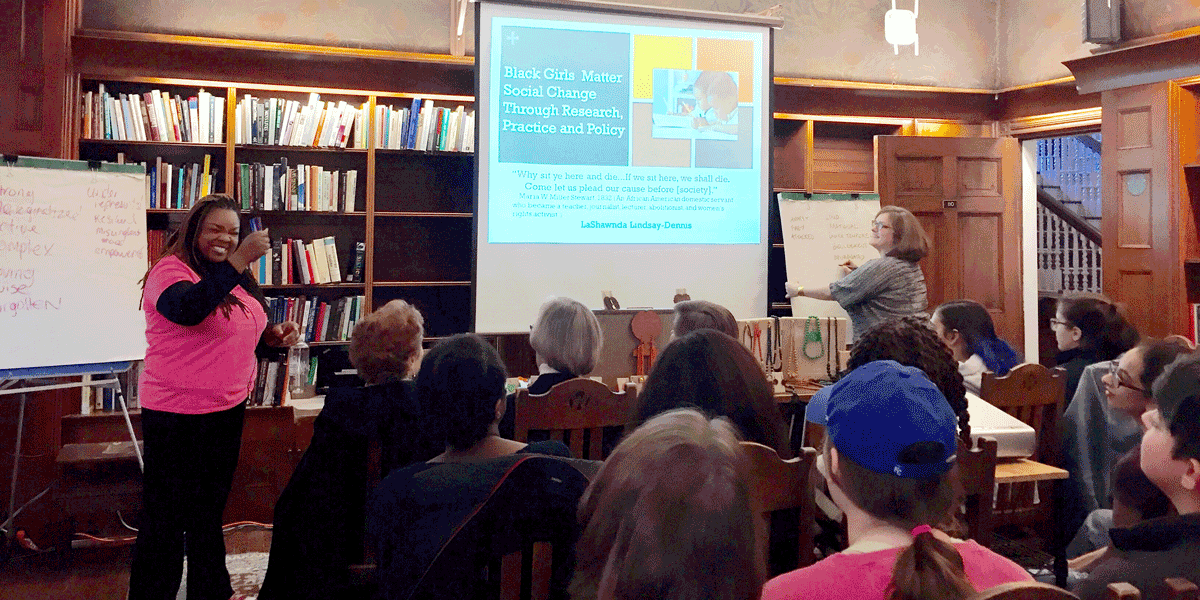
Over the past five years, the world has witnessed, in real time through social media, deaths of many Black youth and adults, often by the actions of police officers.
 November 3, 2016
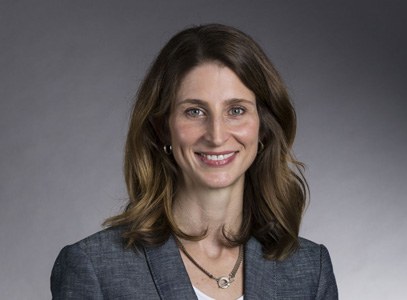
Physicians face complex and often subjective treatment decisions, and they are expected to make decisions in their patients’ best interest.
 September 22, 2016
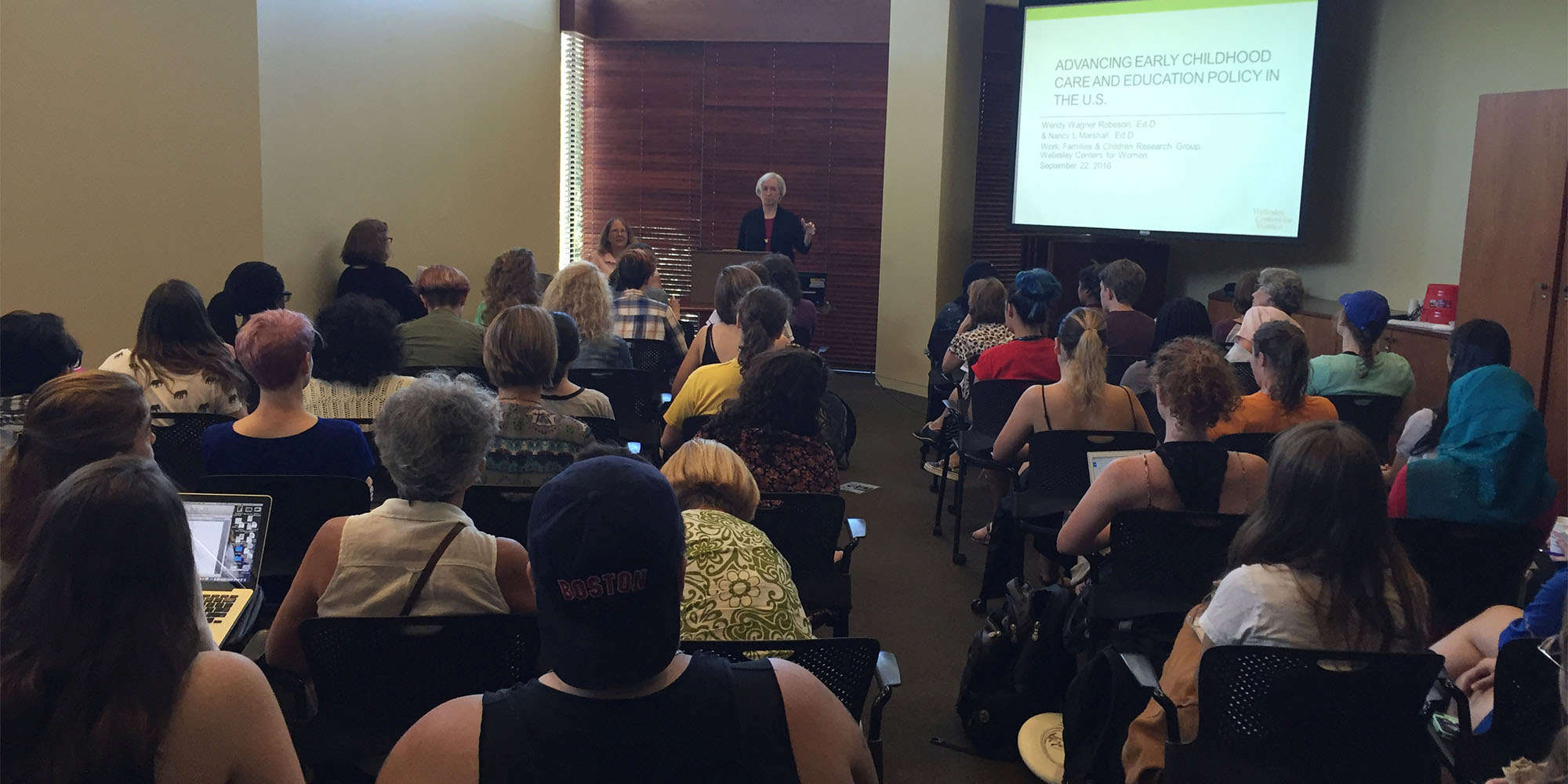
Studies show that the early years are important for children's growth and development, school readiness, and later life.
 June 3, 2016
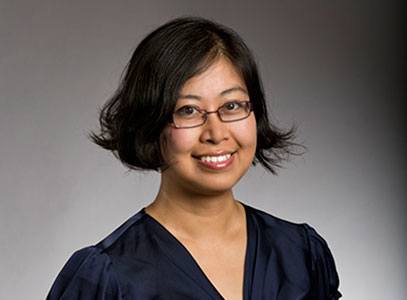
Charmaraman considers four areas around adolescent development as it relates to media literacy and media consumption in her presentation.
 June 3, 2016
Ceder discusses research on women's leadership in nonprofit theaters and how other trends in women's leadership in elected office and on corporate boards, reflect the need for more female representation and participation.
 May 19, 2016
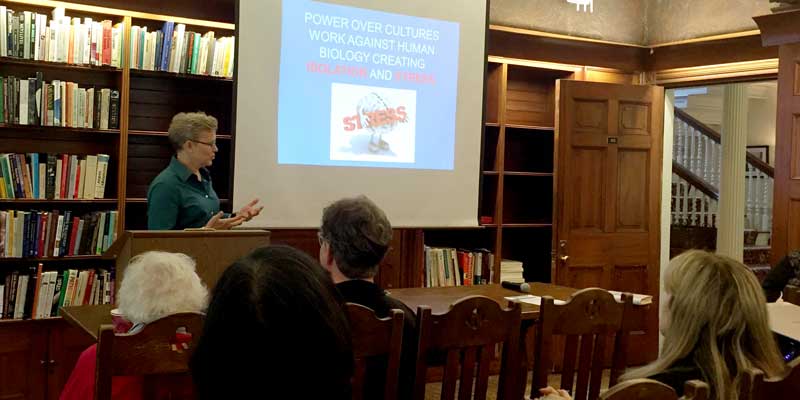
There has been a long history of disconnection between the art of psychodynamic therapy work and the information being discovered in neuroscience research labs all around the world.
 May 12, 2016
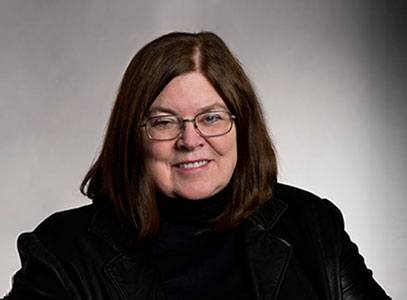
Linda Williams, Ph.D., discusses her research on intimate partner violence, sex trafficking, and gender-based violence, sharing insights and perspectives federal policymakers could consider more in the coming years.
 May 12, 2016
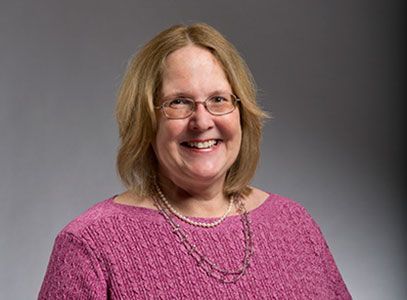
Robeson discusses the value and need for quality early care and education, noting the significant wage discrepancies for educators in this field compared to other educators and other professions, and sharing recommendations for ensuring a well-compensated, skilled workforce to prepare children for lifelong learning.
 May 12, 2016
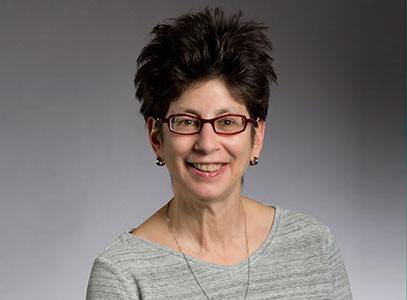
Hoffman shares some of the titles and authors that were recommended by invited contributors to the Women's Review of Books, to be on the reading list of the next U.S. President.
 May 12, 2016
Gladstone shares data on the alarming rates of depression in children and adolescents, providing insight and recommendations on ways practitioners and educators, with the help of policymakers, can help identify and prevent depression in more young people.
 May 12, 2016
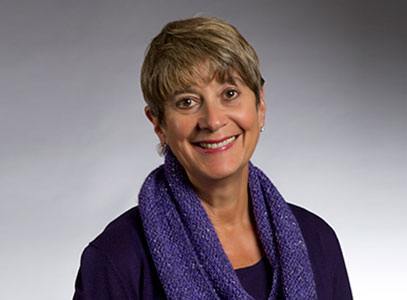
Gannett recommends ways policymakers and private industry can work together to create a stronger and more well-prepared workforce to meet the increased demands being placed on the out-of-school time field in order to contribute to both social/emotional and academic success of children and youth.
 May 12, 2016
We are more alike than we are unalike – or so says the often quoted poem by Maya Angelou. Yet a substantial part of our cultural heritage is a racialized narrative that not only emphasizes our differences, but also ranks them as indicators of human worth.
 May 5, 2016
For both teens and parents, talking about sex can be uncomfortable, but often teens and parents disagree about whether or not they have talked about sex at all.
 April 21, 2016
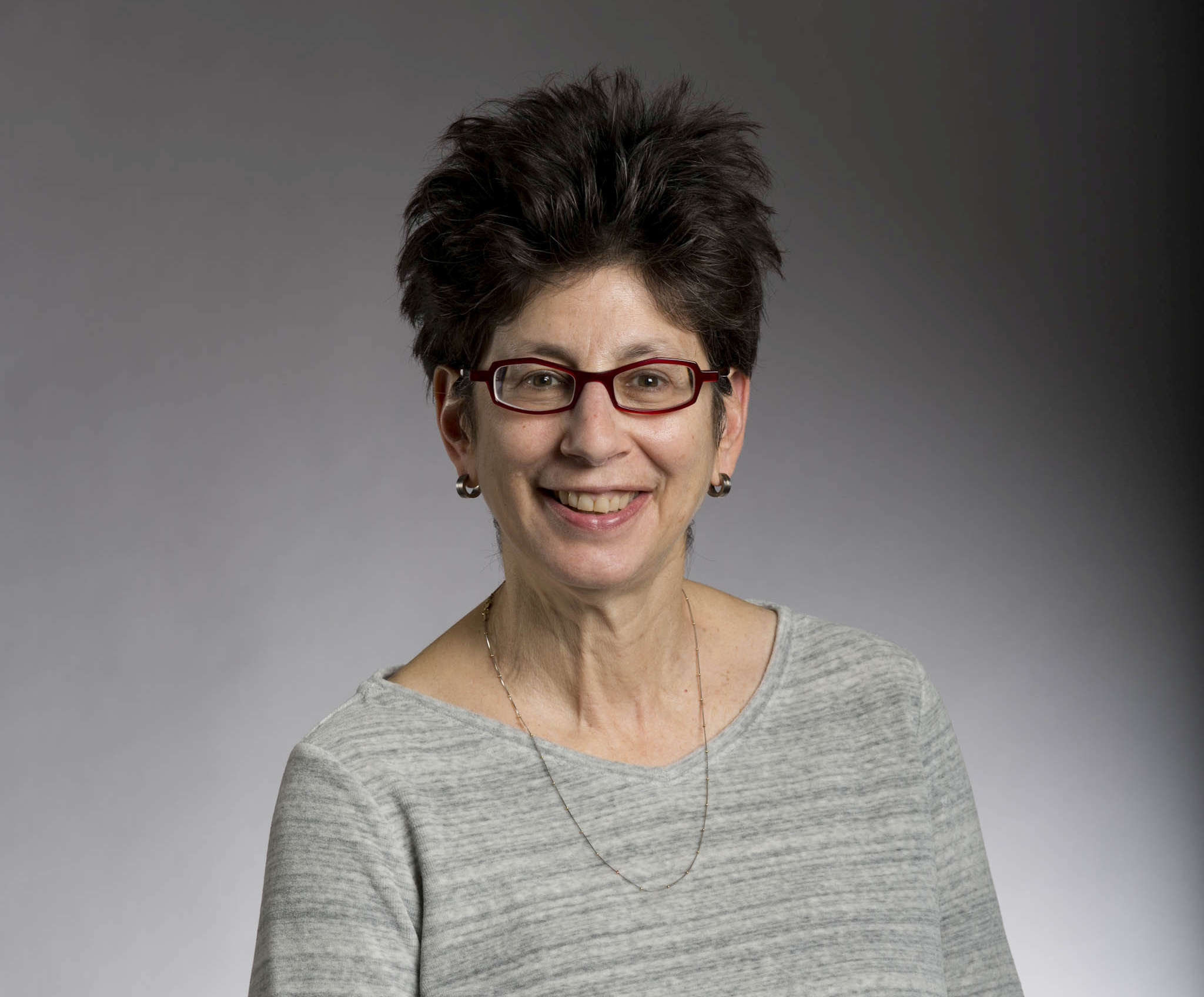
In her April 21, 2016 lunchtime seminar, Amy Hoffman, M.F.A. read selections from her novel in progress Dot and Ralfie, which centers on a lesbian couple in their late sixties, who are facing some of the dilemmas of aging.
 April 14, 2016
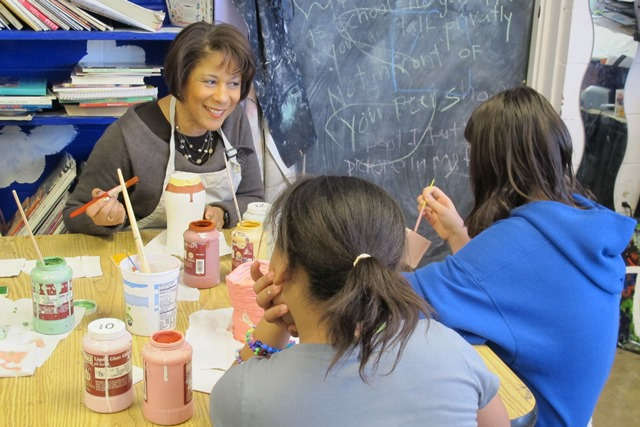
“Mind the Gap” is a well-known cautionary phrase from the London Underground, but it also offers an excellent picture of our child welfare system.
 April 7, 2016
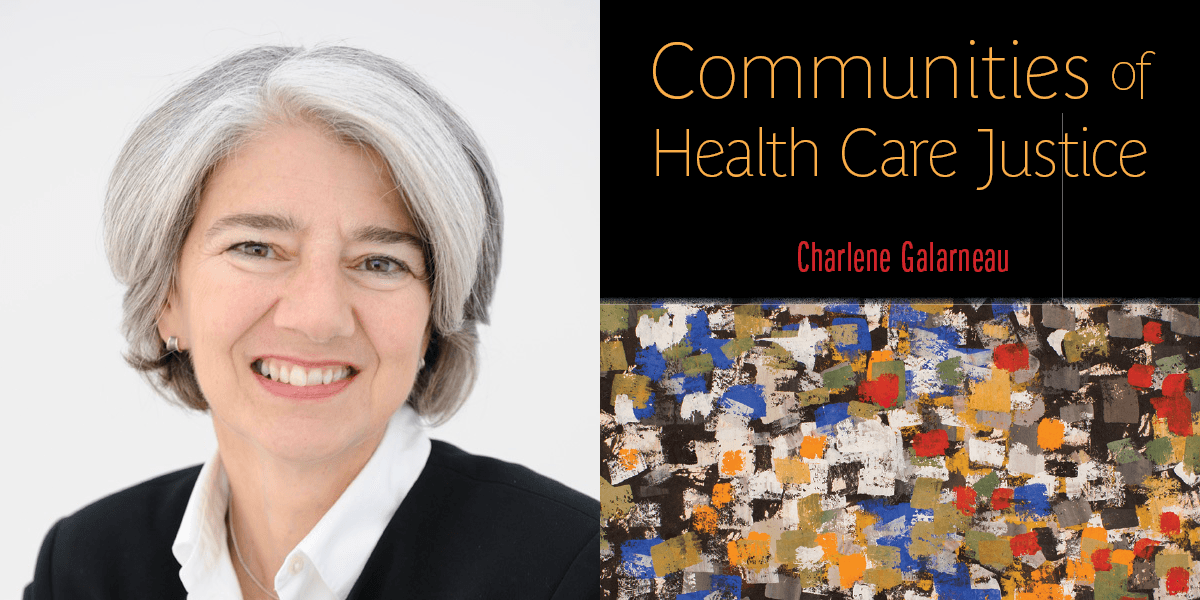
To say that health care is a community benefit and not simply an individual or national benefit, is to acknowledge that communities are critical moral actors in determining just and fair health care, argues Charlene Galarneau, Ph.D., in her forthcoming book
 March 31, 2016
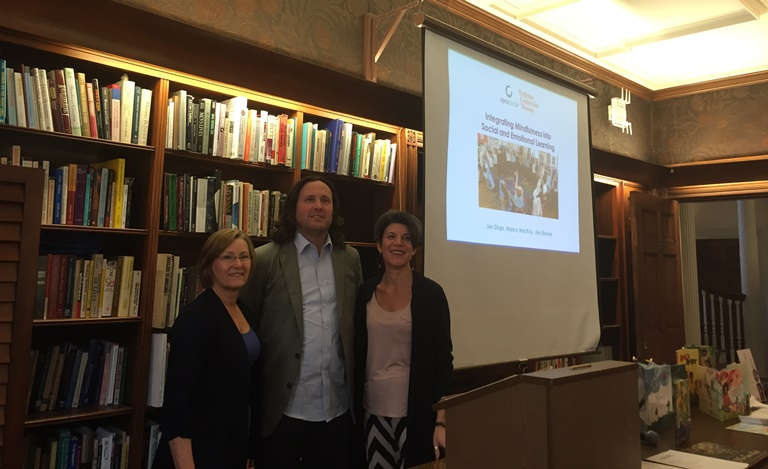
“Mindfulness” has become an increasingly popular term, especially when it comes to education.
 | Wellesley Centers for Women 781.283.2500 |
Copyright © 2026 Wellesley Centers for Women, Wellesley College | Privacy Policy
