




• WCW Hosts Second Early Childhood Policy Research Summit
    NEWS

    WCW Hosts Second Early Childhood Policy Research Summit

    March 2026

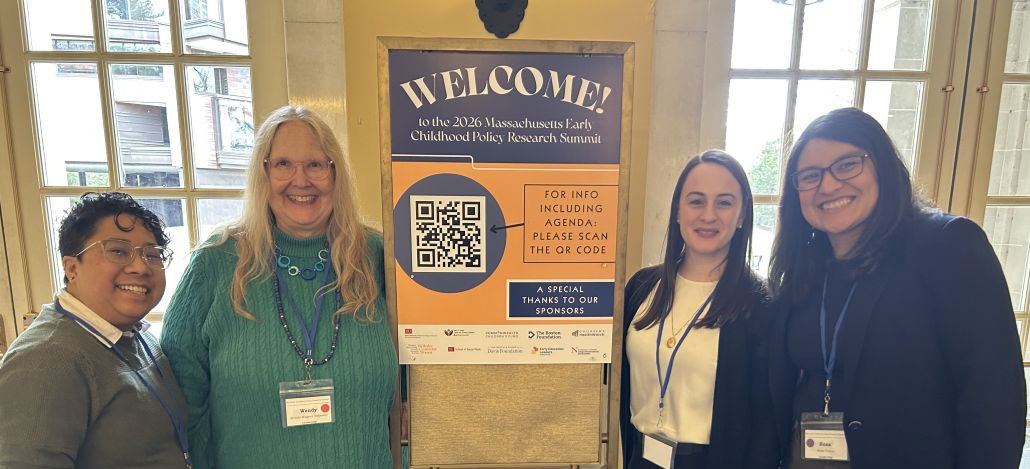
    On March 19, 2026, WCW hosted over 160 attendees at the second Massachusetts Early Childhood Policy Research Summit, a gathering of those who produce and support research and design projects related to the early childhood field in Massachusetts.

    Read More >>

  • New Comprehensive Report on the Status of Women and Girls in Massachusetts
    NEWS

    New Comprehensive Report on the Status of Women and Girls in Massachusetts

    March 2026

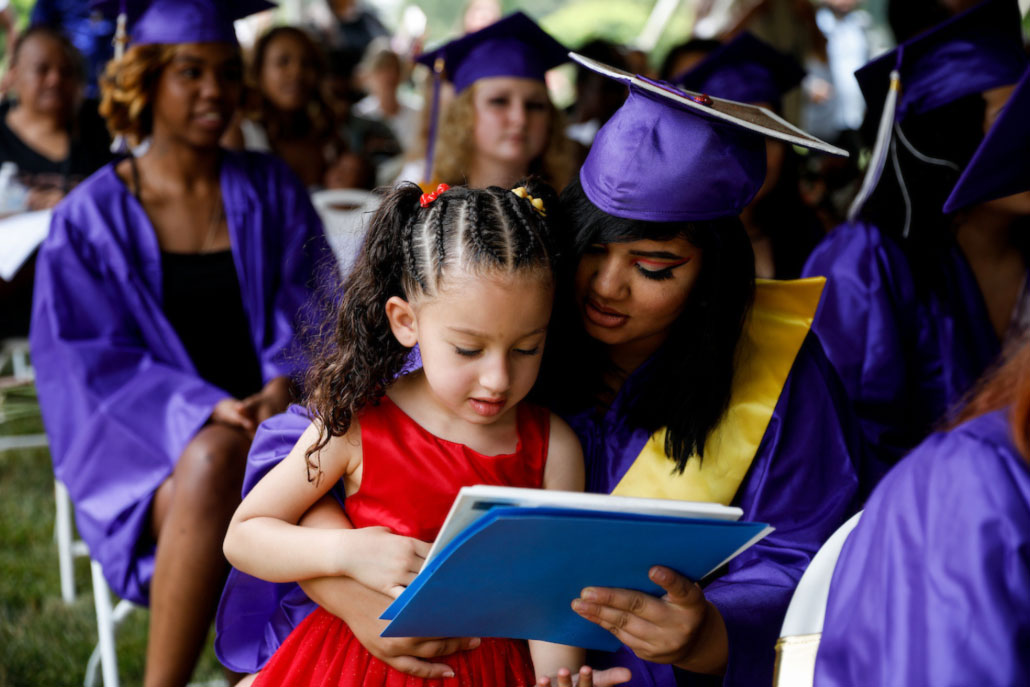
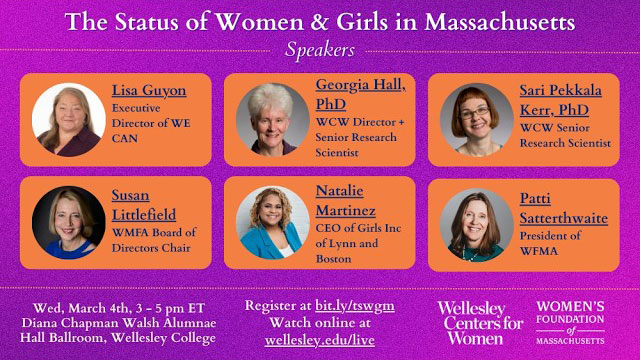
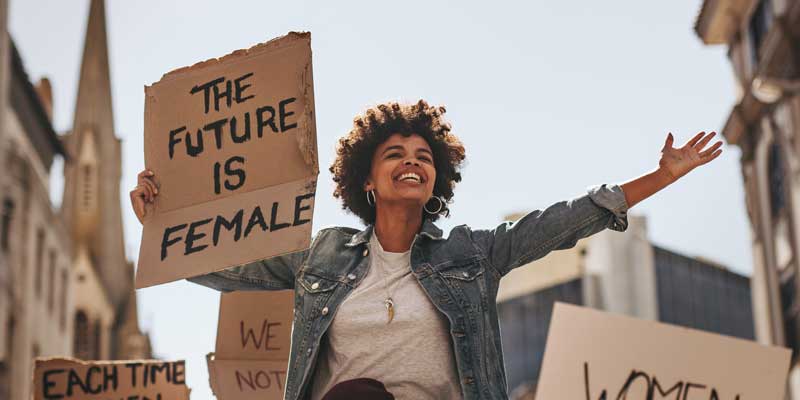
    The Wellesley Centers for Women and the Women’s Foundation of Massachusetts are pleased to announce this inaugural report that fills a critical information gap on the wellbeing of women and girls in Massachusetts, with a particular focus on economic empowerment.

    Read More >>

  • Research Scientist Speaks to Tech Professionals About Youth Mental Health
    NEWS

    Research Scientist Speaks to Tech Professionals About Youth Mental Health

    January 2026

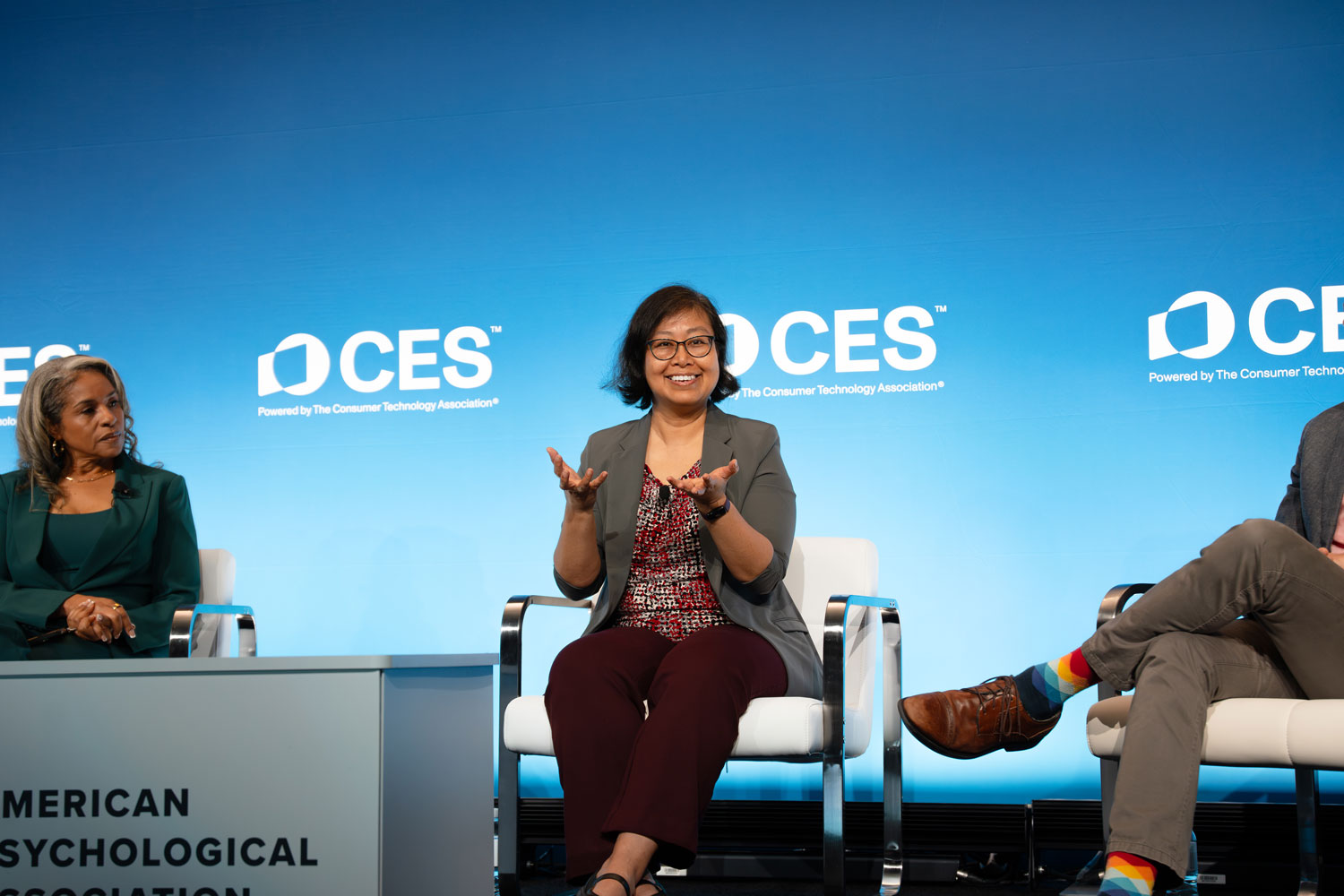
    In January, Senior Research Scientist Linda Charmaraman, Ph.D., spoke on an American Psychological Association-sponsored panel at CES, the world’s largest tech event. The topic was “Youth Mental Health: Helping a Generation Thrive in a Digital World.”

    Read More >>

  • Amnesty International USA Honors Pashtana Durrani
    NEWS

    Amnesty International USA Honors Pashtana Durrani

    November 2025

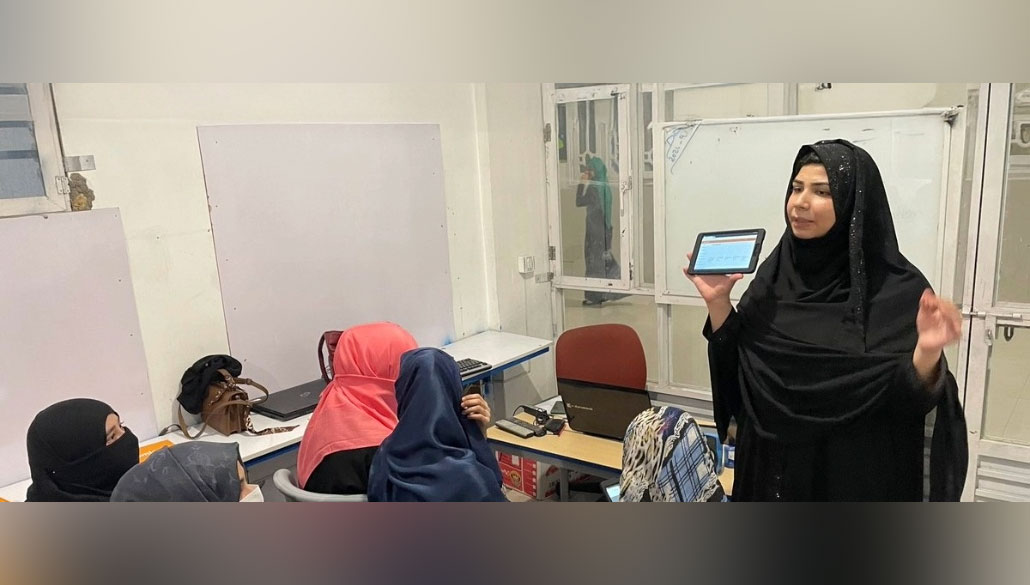
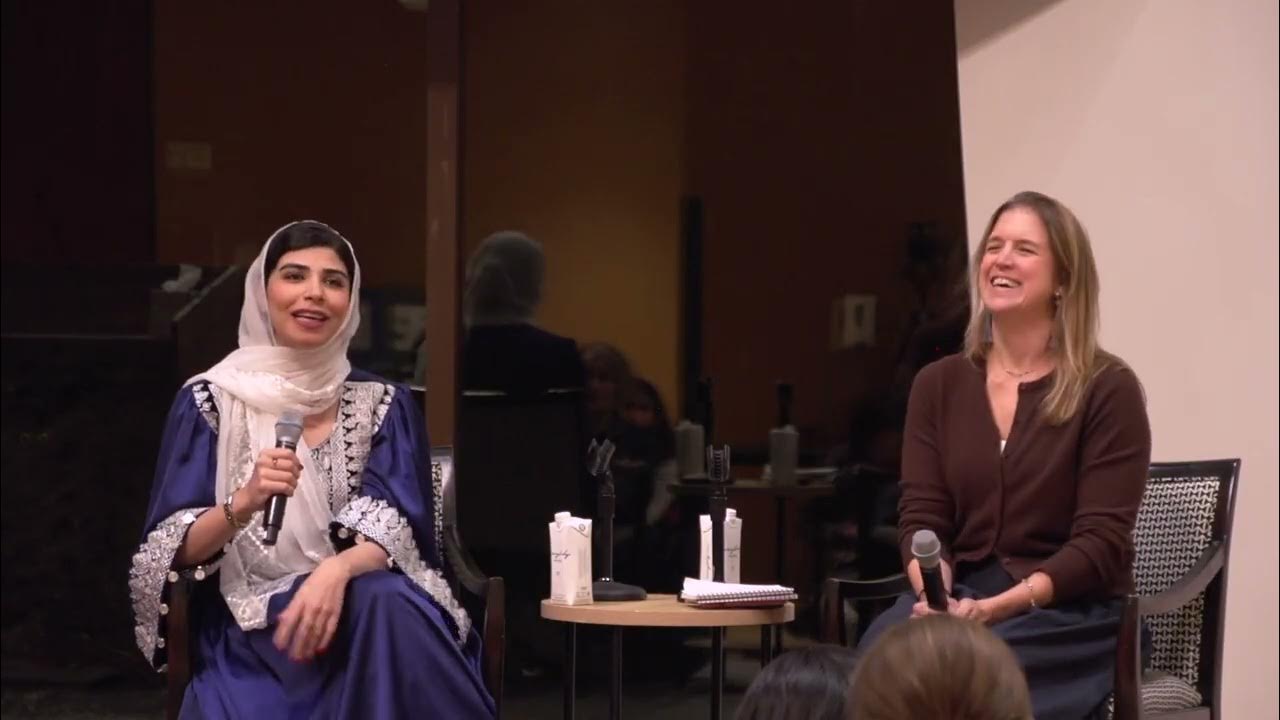
    WCW International Scholar-in-Residence Pashtana Durrani, M.Ed., has been honored with the Ginetta Sagan Award, which recognizes and assists women who are working to protect the liberty and lives of women and children in areas where human rights violations are widespread.

    Read More >>

  • Leading Scholars and Practitioners Unite to Harness Mothers’ Soft Power for Peace
    NEWS

    Leading Scholars and Practitioners Unite to Harness Mothers’ Soft Power for Peace

    October 2025

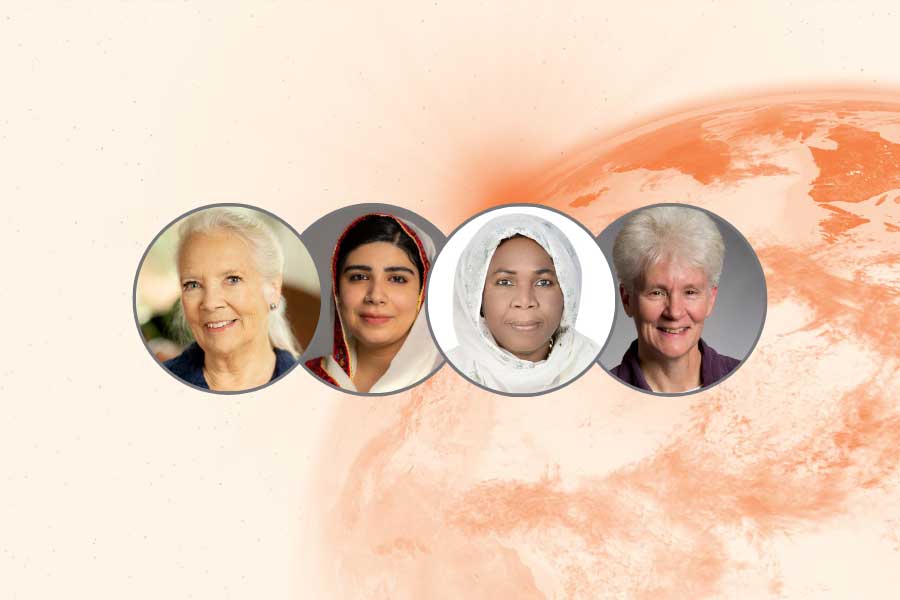
    On October 3-5, 2025, 120 leading scholars and practitioners came together for the colloquium "Mothers Without Borders: The Phenomenology of Mothers' Soft Power in Peace Building," convened by Senior International Scholar-in-Residence Hauwa Ibrahim, J.D., S.J.D., M.L.

    Read More >>

The

Wellesley Centers for Women 

is a research and action institute at Wellesley College that is focused on women and gender and driven by social change.
Our mission is to advance gender equality, social justice, and human wellbeing through high-quality research, theory, and action programs.

PROJECTS

The SEED Project on Inclusive Curriculum (Seeking Educational Equity & Diversity)

Peggy McIntosh, Brenda Flyswithhawks, and Emily Style, Co-Directors

Key Ideas behind the SEED Project

• Unless we as teachers re-open our own backgrounds to look anew at how we were schooled to deal with diversity and connection, we will be unable to create school climates and curriculum which more adequately equip today's students to do so.

• Intellectual and personal faculty development, supported over time, is needed if today's schools are to enable students and teachers to develop a balance of self-esteem and respect for the cultural realities of others, in the U.S. and in other parts of the world. SEED seminars often involve other school staff along with teachers; SEED seminars have also been held in colleges and universities, and with parents and students.

• Teachers and other school personnel are the authorities on their own experience. When teachers experience being put at the center of the process of growth and development they can, in turn, more successfully put students' growth and development at the center of their classrooms. What Peggy McIntosh and Emily Style call "faculty-centered faculty development" parallels student-centered learning and achievement.

• Both teachers and students need an awareness that respecting oneself and understanding one's own authority is intimately related to one's ability to respecting and listening to others, since they too are authorities on their life experiences. The SEED Project works within schools to deepen the practice of a democratic balance between self and others in classrooms, schools, and society.

• Without systemic understanding of gender, race, class, and other interlocking societal systems, individual educators who try to transform the curriculum will lack coherence and creative flexibility in dealing with current events and scholarship, old and new. Group conversation, intentionally structured, can support teachers and administrators in creating accurate, nourishing curriculum material, and pedagogical strategies that are more gender balanced, multiculturally equitable, and globally attuned.

• All education can benefit from asking key questions: What would curriculum and pedagogy look like if the lives of women and girls were seen as co-central with the lives of men and boys? And how can curriculum and teaching methods provide, in the metaphors of Emily Style, both "windows" into others' experiences, and "mirrors" of each student's own realities and validity?


Our website uses cookies to enhance your experience. By continuing to use our site, or clicking "Continue", you are agreeing to our privacy policy.
Continue Privacy Policy